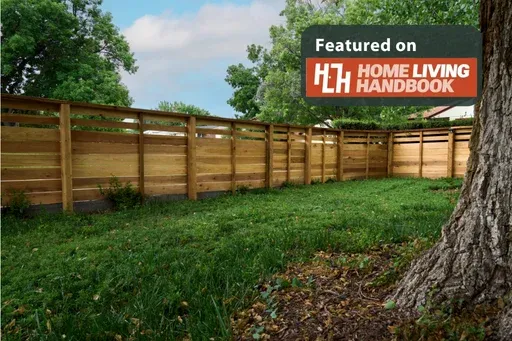
Walk through a neighborhood in Tri-Cities at the end of summer, and you’ll notice something subtle but telling. Some fences look almost untouched by the season, while others show clear signs of change. Slight fading, minor cracks, and shifting tones begin to appear, especially on natural materials.
This is where wood fencing stands apart. It doesn’t hide from the environment. It responds to it. For homeowners working with Top Rail Fence Tri-Cities, that responsiveness is often part of the appeal, not a drawback. A properly planned fence installation allows wood to age in a way that reflects the surrounding climate rather than fighting against it.
Sunlight as a constant design influence
In Tri-Cities, sunlight is not just a seasonal factor. It’s a daily presence that shapes how outdoor materials look and perform.
Gradual color transformation
One of the most noticeable characteristics of wood fencing is how it changes tone over time. Fresh installations often start with rich, warm hues, but extended exposure to sunlight slowly softens those tones into lighter, more muted shades.
Surface texture evolution
Beyond color, the surface of a wood fencing system begins to show subtle variations. Grain patterns become more pronounced, and the material develops a texture that reflects its exposure to the elements.
Dry conditions and their visible effects
Seasonal dryness in Tri-Cities introduces another layer of change. Unlike synthetic materials, wood reacts directly to moisture levels in the air.
Natural expansion and contraction
As humidity drops, wood releases moisture and contracts slightly. This process can create small gaps or changes in alignment, which are normal for a natural material.
The appearance of fine cracks
Hairline cracks, often called checking, can develop as the surface dries. These are typically cosmetic but contribute to the evolving look of wood fencing.
Why are these changes part of the material’s identity
For many homeowners, the evolving appearance of wood fencing is what makes it unique. Instead of remaining static, it reflects the environment in a way that feels organic.
A fence that tells a story
Each season leaves a subtle mark. Sun exposure, dry air, and time all contribute to a fence that feels connected to its surroundings in Tri-Cities.
Blending with natural landscapes
Because it changes over time, wood often integrates more naturally with trees, soil, and other outdoor elements than a completely uniform material would.
Installation decisions that shape long-term appearance
While environmental factors play a major role, the outcome still depends heavily on how the fence is built. A thoughtful fence installation sets the stage for how wood will age.
Midway through the planning process, many homeowners review wood fencing styles and considerations to better understand how design choices influence long-term results.
Selecting the right type of wood
Different species respond differently to the sun and dryness. Choosing appropriate materials helps balance durability with the desired visual effect.
Proper spacing and alignment
Allowing for natural expansion and contraction is essential. A skilled fence company ensures that spacing supports these movements without compromising structure.
Managing change without losing structure
Even though wood fencing evolves visually, it still needs to remain structurally sound. That balance is where experience matters most.
Reinforcement where it counts
Posts and supports must be installed with precision to maintain stability as the material shifts slightly over time.
Planning for seasonal variation
A professional fence company understands how Tri-Cities conditions affect wood and adjusts installation techniques accordingly.
With Top Rail Fence Tri-Cities, the goal is not to prevent change but to manage it in a way that preserves both strength and appearance.
Maintenance as a way to guide the aging process
Unlike materials that require minimal attention, wood fencing benefits from periodic care. This doesn’t stop natural changes but helps control how they appear.
Sealing and staining options
Applying protective finishes can slow the effects of sun exposure and dryness, allowing homeowners to maintain a preferred look for longer.
Routine inspections
Checking for minor issues early ensures that small changes do not develop into larger concerns. This keeps the fence functioning as a durable fence even as its appearance evolves.
The balance between durability and natural change
Choosing wood fencing in Tri-Cities is not about avoiding environmental impact. It’s about selecting a material that interacts with it in a visible and meaningful way.
For those interested in how sunlight and climate influence building materials, resources like the National Renewable Energy Laboratory offer insights into environmental exposure and material performance.
A material that reflects its surroundings over time
A fence can either resist change or respond to it. Wood fencing falls into the second category, offering a surface that evolves alongside the environment.
By working with Top Rail Fence Tri-Cities, homeowners can approach fence installation with a clear understanding of how their fence will look not just today, but years from now. The result is a structure that remains reliable while developing a character shaped by sun, dryness, and time.
If you’re ready to explore a fencing option that grows into its surroundings, visit Contact Us to connect with Top Rail Fence Tri-Cities and begin planning your next project with a trusted fence company.