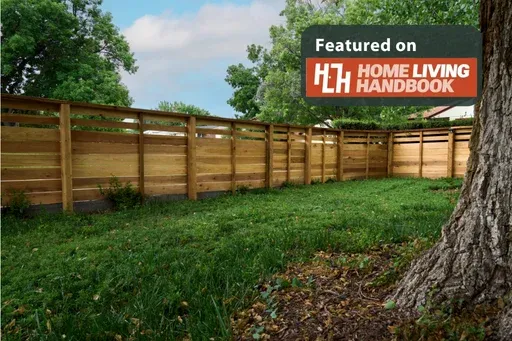
A successful fence project is shaped by decisions made before the first post hole is dug. For homeowners and businesses in the Triad, working with an experienced fence company can help uncover site conditions that might otherwise affect the final result. A thorough assessment considers the property layout, access points, existing structures, drainage, terrain, and intended use. For help planning a project, homeowners can connect with the Top Rail Fence Triad team, where project details can be evaluated before installation begins.
Reading the property before choosing a fence layout
A fence line may look straightforward on a property survey, but the physical site can tell a different story. Changes in elevation, landscaping, retaining walls, driveways, and existing structures can all influence how fencing should be positioned.
Identifying changes in elevation
Sloped ground can affect both the appearance and installation method of a fence. A level fence may leave noticeable gaps beneath panels, while following the natural grade can create a more consistent appearance.
A professional fence company can assess where the terrain rises or falls and determine whether stepped or racked sections make more sense for the project.
Accounting for existing structures
Sheds, garages, decks, pools, landscaping features, and utility equipment should be considered before establishing the fence line. Positioning fencing too close to an existing structure can make future maintenance difficult or interfere with access.
Taking these details into account early gives the fence installation a more practical foundation.
Looking closely at access and movement
A fence needs to work with the way people, vehicles, and equipment move around a property. A design that looks attractive on a drawing may become inconvenient if gates are placed in the wrong locations.
Planning gates around everyday traffic
Gate placement should reflect how the property is actually used. A residential driveway may require a wider opening for vehicles, while a backyard entrance might only need a pedestrian gate.
For a business, employee entrances, delivery areas, parking zones, and service access may require additional consideration. A well-planned fence installation should make movement easier rather than creating unnecessary obstacles.
Keeping maintenance access available
Fencing should not prevent homeowners or maintenance crews from reaching air-conditioning equipment, utility meters, drainage areas, or other service points. Leaving appropriate access can make future repairs much easier.
This is particularly important for residential fencing, where landscaping and outdoor improvements may change over time.
Examining the ground before installation starts
The condition beneath the fence line can be just as important as what is visible above it. Soil composition, buried utilities, roots, and drainage patterns can all affect installation.
Checking for underground utilities
Fence posts require excavation, making utility awareness an important part of preparation. In North Carolina, NC 811 advises calling 811 before digging to help identify underground utility lines. Its homeowner guidance specifically notes that putting up a fence can involve excavation that may damage buried services.
Homeowners planning projects in the Triad can review the NC 811 safe digging guidance before work begins.
Recognizing drainage and soil conditions
Water movement can influence how the ground around fence posts behaves. Areas that collect water, slopes that shed runoff, or locations with compacted soil may require additional planning.
A qualified fence company can identify these conditions and account for them when developing the installation approach.
Matching the fence to the property's purpose
The right fencing solution depends heavily on what the property needs to accomplish. A backyard fence has different requirements from fencing around a commercial facility, recreational area, or shared property.
Considering residential fencing requirements
Residential fencing may be intended to provide privacy, contain pets, establish boundaries, or improve the appearance of a yard. The fence height, style, gate configuration, and placement should support those goals without making the property difficult to navigate.
A detailed consultation gives homeowners an opportunity to explain how they expect the finished fence to function.
Evaluating commercial fence demands
A commercial fence may need to accommodate larger vehicles, controlled access, equipment, storage areas, or security considerations. Business properties can also have more complicated traffic patterns and larger installation areas.
Recognizing these needs before construction allows the fence company to develop a layout that supports daily operations rather than simply enclosing the property.
Accounting for local regulations and property boundaries
Even a well-designed fence can create complications if its placement does not account for applicable requirements. Property lines, easements, neighborhood rules, permits, and local restrictions may influence where and how fencing can be installed.
Confirming the intended boundary
A fence should not automatically be placed wherever an existing hedge, driveway edge, or informal boundary appears to be located. Verifying the intended property line can help prevent disputes and costly adjustments later.
This step is especially useful when neighboring properties sit close together or when older landscaping makes the boundary difficult to identify.
Reviewing project requirements early
Permit requirements and local regulations can vary according to the location and type of project. Discussing these considerations before fence installation helps reduce surprises once materials and labor have been scheduled.
Choosing materials according to long-term use
The material selected for a fence should correspond with the property's needs, surrounding environment, maintenance expectations, and design preferences.
Balancing appearance and performance
Wood, vinyl, aluminum, and chain link can each serve different purposes. A privacy-focused backyard may call for a different solution than a commercial perimeter or an open residential boundary.
Rather than selecting materials based only on appearance, homeowners should consider how the fence will function throughout its expected service life.
Planning around future property changes
Properties rarely remain exactly the same. Landscaping may expand, outdoor structures may be added, or a business may change how it uses its site.
Top Rail Fence Triad can help account for potential changes during the planning stage so the fence does not unnecessarily restrict future improvements.
Turning overlooked details into a stronger installation
The details that receive attention before construction can have a major influence on the finished project. Terrain, access, utilities, drainage, boundaries, regulations, materials, and property use all deserve consideration before installation begins.
For Triad homeowners and businesses, working with a knowledgeable fence company provides an opportunity to address these factors before they become installation problems. Top Rail Fence Triad approaches each project with attention to the conditions that make every property different.
A carefully planned fence installation can provide practical value while complementing the property's existing layout. Whether the project involves residential fencing for a backyard or a commercial fence for a business property, the planning stage is where many important decisions are made. To discuss your project and explore available fencing solutions, visit the Contact Us page and connect with Top Rail Fence Triad.