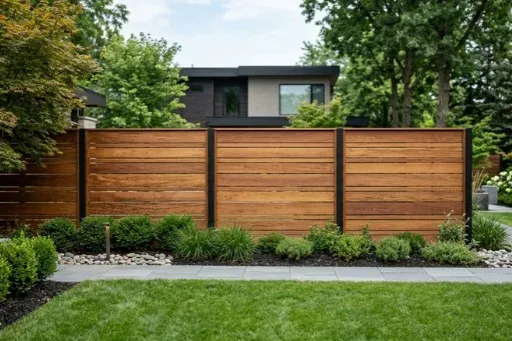
A vinyl fencing layout can look perfectly measured on a plan yet feel restrictive once patio chairs, grills, storage bins, and everyday walking routes are in place. In the Triad, testing these relationships before construction or adjusting an existing layout can help prevent blocked access, awkward corners, and difficult-to-reach outdoor areas. Top Rail Fence Triad can help you evaluate how fence panels, posts, and gates will fit the way you actually use your yard. Instead of judging the design by appearance alone, assess the space as though the fence were already installed, and your outdoor routine were underway.
Map the space people and objects need to occupy
Before measuring individual panels, identify what must fit between the proposed fence and the home, patio, or other fixed features. A useful clearance test accounts for movement as well as the footprint of each object. A walkway that looks wide enough when empty may become difficult to use after chairs are pulled out or a storage container is placed beside the fence.
Mark the full footprint of outdoor furniture
Measure the width and depth of tables, benches, loungers, and chairs in their normal positions. Include the space needed to pull chairs back, move around a table, or recline a seat. Use temporary markers, string, or removable ground tape to outline those areas before finalizing the fence line.
Test the arrangement while the furniture is being used, not only when everything is pushed neatly into place. If a chair touches the proposed panel line whenever someone sits down, the design may need more space or a different furniture arrangement.
A vinyl fencing plan should account for the way these objects move during ordinary use. A few inches can make a noticeable difference in a confined patio, particularly where the fence runs alongside the back of a bench or the edge of a dining area.
Account for objects that change position
Outdoor spaces are rarely static. Umbrellas open, cushions are stored, planters get moved, and seasonal furniture may take up more room than expected. Include these changes in the clearance test rather than measuring only the smallest possible arrangement.
Mark the largest practical footprint of movable items. Then check whether the remaining space still allows people to pass through comfortably. This can reveal whether the fence line needs to shift or whether the furniture should be arranged differently.
Put grill access and safe use ahead of a tight fit
Grills introduce different requirements from ordinary patio furniture. The appliance itself occupies space, but cooking also involves opening lids, reaching side shelves, handling utensils, and moving around the cooking area. A fence that sits too close can interfere with these tasks and may create an unsafe arrangement.
Test the grill with its components fully open
Measure the grill in its normal position, then account for the lid at its widest opening and any side shelves that fold outward. Check the route between the grill and the nearest fence panel, gate, wall, or furniture item.
Leave the clearances required by the grill manufacturer for combustible materials and surrounding structures. Vinyl can be damaged by excessive heat, so do not assume that a vinyl panel is suitable beside a grill simply because the appliance fits in the available space. Follow the grill's installation instructions and local fire-safety requirements.
Preserve room for cleaning and maintenance
A grill needs more than cooking clearance. You may need to reach behind it, remove grease trays, clean nearby paving, or move the appliance for servicing. If the fence makes these tasks difficult, the layout could become inconvenient soon after installation.
During fence installation, consider whether the grill would be better positioned farther from the fence or in another part of the patio. Moving the appliance may preserve a more consistent fence line without sacrificing practical access.
Run a clearance check along narrow side passages
Side yards often carry more functions than their width suggests. They may connect the driveway to the backyard, provide access to bins, or serve as a route for garden tools. A vinyl panel placed too close to these activities can make a familiar route difficult to navigate.
Walk the route while carrying everyday items
Test the passage with a laundry basket, watering can, garden hose, or other items you regularly move through the space. Check whether you can pass without turning sideways, scraping against the fence, or stepping into planting beds.
For a frequently used walkway, measure the usable width after accounting for fence posts, gate hardware, downspouts, and other projections. The North Carolina State Extension landscape design guidance recommends planning outdoor spaces around their intended activities and allowing room for furniture and movement. Apply the same practical thinking when assessing vinyl fencing beside a narrow path.
Include gates and corners in the test
A passage can be wide enough along its straight section but become awkward at a corner or gate entrance. Open each gate fully and check whether its swing blocks the route or strikes nearby furniture. Consider the space needed to carry bulky objects through the opening.
Where clearance is limited, possible adjustments include changing the gate's position, rearranging stored items, or revising the proposed fence alignment. A practical fence installation plan should make routine movement easier rather than forcing people to navigate around avoidable obstacles.
Check panel placement before confirming the design
Once you have tested furniture, cooking equipment, and walkways, compare those measurements with the proposed panel positions. Fence posts and panel edges create fixed boundaries, so even a small adjustment may affect the space available for a gate or nearby object.
Mark posts and panel edges on the ground
Use stakes, string, or temporary markers to represent the proposed fence line. Mark post locations individually, since posts can project farther into a walkway than the flat panel surface. Place furniture and equipment in their intended positions, then walk through the space from several directions.
This full-scale test is particularly useful for corners, narrow patios, and areas where a fence meets the house or an existing structure. It can also help identify whether a panel would interfere with a storage lid, hose reel, or access point that needs to remain usable.
You can review fencing products and styles with Top Rail Fence Triad when comparing suitable options for the layout. The right design should account for panel dimensions, post placement, gate operation, and the practical clearance needed around the finished fence.
Recheck the layout after planned changes
Think beyond the current arrangement. You might add a larger dining table, replace a grill, or introduce storage along the side of the house. If the available space is already tight, a future change could turn a convenient outdoor area into a cramped one.
Leave a sensible margin wherever possible, and verify product specifications before finalizing the installation. Do not rely on a generic clearance measurement for grill safety, gate operation, or accessibility when the equipment manufacturer or applicable requirements specify something different.
Make everyday usability part of your vinyl fencing decision
A successful clearance test considers how the entire yard works together. Outdoor furniture needs room to move, grills require safe operating space, and narrow walkways should remain practical when people carry tools or other items through them. Testing these details at full scale can uncover problems that a simple perimeter measurement will miss.
For properties in the Triad, careful planning can make vinyl fencing a more practical fit for outdoor living areas without sacrificing the intended boundary or appearance. Before moving ahead with vinyl fence installation, review the measurements, check the gate swing, and confirm that essential routes and equipment clearances remain usable. If you need help evaluating your layout or planning a new project, Top Rail Fence Triad can discuss the available options. Visit Contact Us to talk through your fence installation needs and plan a fence that fits the way you use your outdoor space.