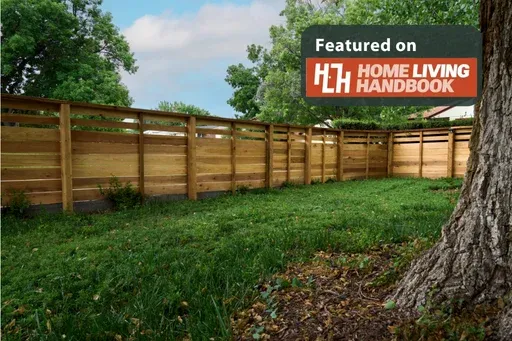
Backyards across the Triad may share a similar climate, but they rarely age the same way. Subtle differences in sunlight exposure, soil composition, drainage, and landscaping all influence how materials respond over time. Homeowners who choose Top Rail Fence Triad often notice that cedar fencing evolves differently from one property to another, even within the same neighborhood.
This variability is part of what makes cedar fencing such a dynamic and reliable option. Rather than deteriorating uniformly, it reflects the specific environmental conditions of each yard. A thoughtfully executed cedar fence installation allows property owners to better understand how their outdoor space behaves over time while maintaining the strength and beauty of a cedar wood fence.
Sunlight Exposure Shapes Aging Patterns
Not every section of a yard receives equal sunlight. Some areas remain shaded for most of the day, while others are exposed to constant direct sun.
Uneven Color Transformation
Sections of cedar fencing that face direct sunlight tend to fade faster, transitioning to a silvery-gray tone. Meanwhile, shaded areas retain their warmer hues longer. This creates natural variation in appearance across a single fence line.
Impact on Surface Drying
Sun-exposed cedar fence panels dry more quickly after rain, while shaded sections retain moisture longer. A properly planned cedar fence installation accounts for these differences, helping prevent uneven wear over time.
Soil Composition Influences Structural Stability
The ground beneath each property in the Triad plays a critical role in how fences age. Even small variations in soil type can lead to noticeable differences in performance.
Clay Versus Loamy Soil Behavior
Clay-heavy soil expands and contracts more dramatically with moisture changes, affecting the stability of cedar fence posts. In contrast, loamy soil provides more consistent support, leading to more uniform aging of the fence structure.
Post Movement and Alignment
A cedar wood fence installed in shifting soil may experience slight post movement over time. Because cedar fencing maintains its structural integrity, these shifts are often more visible, helping homeowners identify where adjustments may be needed.
Drainage Conditions Create Long-Term Differences
Water flow and drainage patterns vary significantly between properties, even within the same area of the Triad.
Moisture Retention Zones
Low-lying areas where water collects can expose cedar fence posts to prolonged moisture. While cedar is naturally resistant to decay, consistent exposure can still influence how quickly certain sections age.
Elevated Areas and Faster Drying
Higher ground allows water to drain more efficiently, reducing moisture exposure. In these areas, cedar fencing tends to dry faster and maintain a more consistent appearance over time.
Midway through evaluating property conditions, many homeowners explore complementary options such as privacy fence designs to enhance both structure and visual appeal while working with natural site conditions.
Landscaping and Yard Design Play a Role
The way a backyard is designed can significantly affect how a fence ages. Trees, shrubs, and irrigation systems all contribute to localized environmental conditions.
Shade from Trees and Vegetation
Areas surrounded by dense landscaping often experience higher humidity levels. This can slow the aging process of cedar fencing, preserving its original color for longer periods.
Irrigation Systems and Water Exposure
Sprinkler systems that regularly spray certain sections of a cedar wood fence can create uneven moisture distribution. A well-planned cedar fence installation takes these factors into account, positioning cedar fence posts to minimize prolonged exposure.
Wind Exposure Across Property Layouts
Wind patterns vary depending on how a property is positioned and what structures surround it. Open yards experience different forces compared to enclosed spaces.
Open Yards and Increased Airflow
Properties with fewer obstructions allow wind to pass freely, helping cedar fencing dry quickly after rain. This can reduce moisture-related wear but may increase exposure to debris and dust.
Sheltered Areas and Reduced Circulation
Fences located near buildings or dense landscaping may experience limited airflow. This can lead to slower drying times, which influences how different sections of a cedar wood fence age.
Installation Quality Determines Long-Term Performance
While environmental factors play a major role, the quality of the initial installation is just as important.
Precision in Post Placement
A professional cedar fence installation ensures that cedar fence posts are set at the correct depth and spacing for the specific conditions of the property. This reduces the impact of soil movement and moisture changes over time.
Material Selection and Preparation
Not all cedar is the same. High-quality materials and proper treatment methods enhance the durability of cedar fencing, allowing it to perform consistently across varying backyard conditions.
According to the U.S. Forest Service Northern Research Station, wood performance is closely tied to environmental exposure and installation practices. This highlights the importance of combining quality materials with expert craftsmanship.
Why Aging Differences Can Be Beneficial
While uneven aging might seem like a drawback, it actually provides valuable insight into how a property functions.
Early Detection of Environmental Issues
Variations in how cedar fencing ages can reveal underlying issues such as poor drainage or uneven soil conditions. This allows homeowners to address problems before they affect other structures.
Natural Character and Visual Appeal
A cedar wood fence that ages differently across sections often develops a unique, natural look. This variation adds character while maintaining the overall strength of the fence.
Property owners who work with Top Rail Fence Triad gain access to expertise that considers these subtle differences. Each cedar fence installation is tailored to the specific conditions of the property, ensuring reliable performance over time.
Planning for Consistent Results Across Unique Yards
No two backyards in the Triad are exactly alike, which means fencing solutions should never be one-size-fits-all. Understanding how environmental factors influence aging helps homeowners make informed decisions.
By choosing cedar fencing, property owners benefit from a material that adapts to its surroundings while maintaining durability and strength. With guidance from Top Rail Fence Triad, it becomes possible to design a fence that not only complements the property but also responds effectively to its unique conditions.
To learn more about solutions tailored to your yard, visit Top Rail Fence Triad. For expert recommendations and personalized support, head over to the Contact Us page and start planning your project today.