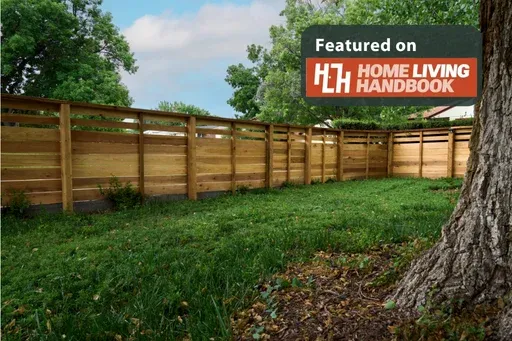
Across the Triad, daily weather cycles play a bigger role in fence performance than many homeowners expect. From early morning moisture to intense afternoon sun and cooler evening conditions, each phase of the day impacts how natural materials respond. Property owners working with Top Rail Fence Triad often notice that a well-planned cedar fence installation reflects these subtle environmental changes while maintaining long-term durability.
Unlike synthetic materials, cedar fencing interacts with its surroundings in a more dynamic way. This natural responsiveness is part of what makes cedar such a reliable and visually appealing option. When installed correctly, it balances flexibility with strength, creating a cedar privacy fence that adapts to the rhythms of the day without compromising structure.
Morning Moisture and Surface Absorption
Early mornings in the Triad often bring dew that settles across outdoor surfaces. While this moisture may seem minor, it plays an important role in how wood behaves over time.
Gentle Expansion from Overnight Humidity
As dew forms on cedar fence panels, the wood fibers absorb a small amount of moisture. This causes slight expansion, which is a natural and healthy response for cedar. Unlike other wood types, cedar manages moisture without becoming overly saturated.
Natural Resistance to Decay
One of the defining characteristics of cedar fencing is its resistance to rot. Even with repeated exposure to morning moisture, cedar contains natural oils that help protect it from decay. This makes a cedar privacy fence particularly well-suited for climates where humidity fluctuates throughout the day.
Midday Sunlight and Thermal Response
As the day progresses, the Triad experiences rising temperatures and stronger sunlight. This shift introduces a drying phase that contrasts with the moisture-rich morning.
Controlled Contraction Under Heat
When exposed to direct sunlight, cedar fence panels begin to release the moisture absorbed earlier in the day. This leads to slight contraction, which helps the wood maintain balance. A properly executed cedar fence installation accounts for this cycle, allowing space for natural movement without causing warping.
UV Exposure and Color Evolution
Sunlight gradually changes the appearance of cedar fencing, transitioning it from warm reddish tones to a more muted, silvery finish over time. This transformation does not weaken the material but instead reflects its natural aging process.
Afternoon Heat and Structural Stability
The peak heat of the day places the greatest stress on outdoor structures. In the Triad, this period tests how well materials handle sustained temperature exposure.
Heat Distribution Across Panels
A cedar privacy fence distributes heat evenly across its surface, preventing localized stress points. This uniform response reduces the risk of cracking or splitting, especially when the wood has been properly treated and installed.
Importance of Proper Installation Techniques
A professional cedar fence installation ensures that posts and panels are positioned to accommodate expansion and contraction cycles. Spacing, fastening methods, and post depth all contribute to how well the fence handles daily heat fluctuations.
Midway through planning, many homeowners consider complementary options like decorative fence styles to enhance both function and design while maintaining the benefits of cedar.
Evening Cooling and Moisture Rebalance
As temperatures drop in the evening, the environment begins to stabilize. This phase allows cedar fencing to recover from the stresses of the day.
Gradual Moisture Reabsorption
Cooling air introduces a slight increase in humidity, allowing cedar fence panels to regain some moisture. This helps the wood maintain flexibility and reduces the likelihood of brittleness over time.
Reduced Thermal Stress
The evening period gives a cedar privacy fence time to settle, easing the expansion and contraction cycles experienced throughout the day. This daily reset contributes to the long-term resilience of cedar.
Seasonal Patterns Amplify Daily Cycles
While daily changes are significant, they are further influenced by seasonal trends in the Triad. Summer intensifies heat exposure, while cooler months introduce different moisture dynamics.
Compounded Effects Over Time
Repeated cycles of expansion and contraction can impact fence alignment if not properly managed. A well-planned cedar fence installation anticipates these patterns, ensuring that the structure remains stable year-round.
Adapting to Regional Climate
Homeowners in the Triad benefit from choosing cedar fencing because it naturally adapts to both daily and seasonal environmental shifts. This adaptability makes it a dependable choice for long-term outdoor use.
Environmental Factors and Wood Performance
Understanding how environmental conditions affect wood can help property owners make informed decisions about fencing materials.
According to the U.S. Forest Service research database, wood species like cedar perform well in variable climates due to their natural resistance to moisture and decay. This reinforces why cedar fencing remains a trusted option for residential applications.
Sustainable Material Benefits
In addition to durability, cedar is a renewable resource. Choosing a cedar privacy fence supports environmentally conscious building practices while delivering reliable performance.
Long-Term Performance in the Triad
Over time, the daily cycle of moisture, heat, and cooling shapes how a fence ages. In the Triad, these patterns highlight the importance of selecting materials that can handle continuous environmental change.
Consistency Through Natural Flexibility
A key advantage of cedar fence panels is their ability to flex without breaking. This flexibility allows the fence to adapt to shifting conditions without losing structural integrity.
Reduced Maintenance with Proper Care
While cedar does require occasional maintenance, such as sealing or staining, it remains a practical option for homeowners seeking a balance between aesthetics and performance. A properly maintained cedar privacy fence can last for many years while retaining its visual appeal.
Property owners who choose Top Rail Fence Triad benefit from expert insight into how local conditions affect fencing materials. By tailoring each cedar fence installation to the environment, they ensure consistent results across changing conditions.
Planning for a Fence That Lasts All Day, Every Day
Selecting the right fence in the Triad means considering how materials perform not just over years, but throughout each day. From morning dew to evening shade, every phase contributes to the overall durability of the structure.
A well-executed cedar fence installation offers a balance of strength, flexibility, and natural beauty. With guidance from Top Rail Fence Triad, homeowners can create fencing solutions that respond effectively to daily environmental changes while maintaining long-term reliability.
To explore options tailored to your property, visit Top Rail Fence Triad and learn more about available solutions. For personalized assistance and expert recommendations, head over to the Contact Us page to get started on your project today.