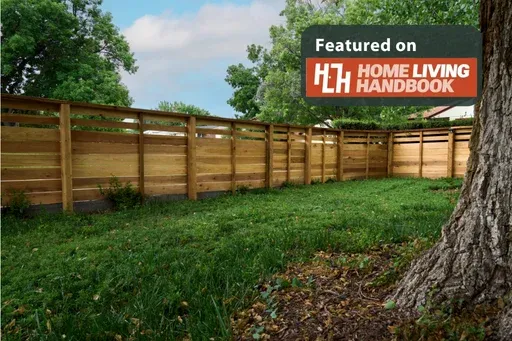
Backyards across the Triad often feel familiar, yet subtle changes in landscaping, property layout, and material choices can quietly transform how space is experienced. Homeowners who invest in traditional wood fence solutions with Top Rail Fence Triad frequently notice that a thoughtfully designed fence not only provides privacy but also redefines yard organization, creating functional boundaries without altering the open feel of a property.
A well-executed wood fence installation ensures that a wood privacy fence adapts naturally to the dimensions and contours of a yard. Properly placed privacy fence installation points guide movement, define garden areas, and subtly influence how spaces are utilized, making even mid-sized yards feel more structured.
How Visual Boundaries Influence Outdoor Flow
Even when not immediately apparent, the presence of a traditional wood fence directs movement and creates distinct zones within a yard.
Creating a Sense of Enclosure
By installing wood fence panels in strategic locations, homeowners can frame seating areas, playground spaces, or garden beds. The visual guidance offered by cedar or traditional wood fencing encourages use of space in ways that feel natural and intuitive.
Enhancing Privacy Without Overcrowding
A wood privacy fence provides a sense of security while maintaining openness. Taller panels shield certain areas without creating a claustrophobic effect, demonstrating how thoughtful privacy fence installation balances visibility and seclusion.
Material Choice Shapes Long-Term Layout
The inherent qualities of traditional wood fence materials influence how they age and interact with the surrounding environment.
Adapting to Environmental Stress
High-quality wood responds to moisture, sun, and temperature differently across the Triad. A well-maintained wood privacy fence flexes slightly under pressure, which preserves alignment and prevents warping.
Natural Aging as a Design Feature
Over time, wood fence panels develop a patina that enhances character while clearly defining spaces. This aging process provides visual cues that subtly organize a backyard, highlighting garden beds, patios, and walkways without additional construction.
Strategic Post Placement for Functional Design
A successful wood fence installation involves more than placing panels in a straight line; it considers both structural integrity and functional space organization.
Precision in Post Positioning
Properly spaced wood fence posts ensure even distribution of weight and maintain a uniform appearance. Strategic placement also allows the fence to delineate zones, guiding foot traffic and separating areas for specific uses.
Reinforcement for Longevity
Securely installed privacy fence posts resist environmental stress while maintaining alignment. This stability ensures that the organizational effect of the fence remains consistent over time.
Many homeowners explore decorative fence options midway through planning to complement functional layout with aesthetic appeal, reinforcing the subtle organizational role of their fence.
Environmental Factors That Affect Spatial Perception
Sun exposure, wind, and soil conditions can all impact how a backyard evolves over time and how a traditional wood fence interacts with the space.
Differential Weathering
Sections of a yard exposed to stronger sunlight may cause wood fence panels to fade differently from shaded areas. These variations can subtly guide the eye and influence perceived boundaries within a property.
Soil Movement and Panel Stability
Even slight soil shifts can affect wood privacy fence alignment. By properly installing wood fence posts at recommended depths, homeowners ensure that the fence remains a reliable guide for yard organization, despite minor ground changes.
Why Traditional Wood Fencing Excels in Space Management
The adaptability and durability of traditional wood fence materials make them ideal for homeowners seeking both privacy and practical organization.
Flexible Boundaries
Unlike rigid materials, wood privacy fences allow for minor adjustments over time. This flexibility accommodates evolving landscaping needs and ensures that designated zones remain functional.
Balance of Strength and Aesthetic
Wood fence panels provide the structural integrity required to define spaces effectively while offering a natural, visually appealing appearance. This combination makes privacy fence installation an investment in both function and style.
According to The Wood Database, wood fencing’s response to environmental factors makes it a versatile choice for both functional and aesthetic purposes, emphasizing the importance of selecting the right material for your property.
Integrating Fencing Into Property Design
A thoughtfully installed traditional wood fence can redefine how a backyard is used without overtly changing its footprint.
Guidance for Property Owners
By working with Top Rail Fence Triad, homeowners receive recommendations for wood fence installation that align with property layout, environmental conditions, and long-term maintenance considerations.
Maintaining Organizational Integrity
Periodic inspections and minor adjustments of wood fence posts help ensure that the yard’s spatial structure remains consistent, allowing areas to retain their intended purpose.
Planning Your Yard With Purpose
Whether the goal is privacy, decorative appeal, or functional zoning, traditional wood fence solutions allow homeowners to shape their backyard experience subtly yet effectively.
Choosing Top Rail Fence Triad for your wood privacy fence project ensures expert guidance from selection to installation. Their experience with privacy fence installation in the Triad guarantees that every fence line not only looks appealing but also organizes outdoor space intelligently.
To explore options and see how a traditional wood fence can transform your yard, visit Top Rail Fence Triad. For personalized planning and expert installation advice, head over to the Contact Us page and connect with a local fencing professional today.