Living near the coast offers incredible scenery and outdoor living opportunities, but it also creates unique challenges for property owners. Strong seasonal winds, salt-heavy air, and sudden storms can place constant pressure on outdoor structures. For homeowners in Volusia County, choosing the right approach to fence installation is about more than appearance. It is about long-term durability and performance in a demanding environment.
Many homeowners begin by exploring Top Rail Fence Volusia County to understand how coastal conditions influence fencing decisions. Working with an experienced fence installation company helps property owners avoid common mistakes that can shorten the lifespan of a fence exposed to coastal weather.
For clients working with Top Rail Fence Volusia County, the process starts with understanding how wind behaves across the property and how different materials respond over time.
Why does coastal wind change fence installation planning
Wind exposure affects nearly every aspect of fence performance. What works well inland may not perform the same way near the coast.
Understanding wind pressure on fencing
When strong winds hit a solid fence surface, pressure builds quickly. Without proper reinforcement, panels may loosen, lean, or fail over time. This is especially common during hurricane season in Volusia County, where sustained winds can place repeated stress on fencing systems.
Professional fence installation accounts for these conditions by adjusting post spacing, footing depth, and structural support before installation begins.
Considering the property's exposure level
Not every property experiences wind the same way. Homes closer to open water or elevated lots often experience stronger gusts than properties shielded by trees or neighboring structures.
An experienced fence installation company evaluates surrounding conditions carefully before recommending layouts or materials.
Choosing fencing materials that handle coastal conditions
Material selection plays a major role in how well a fence performs over time. Coastal environments accelerate wear, especially when moisture and salt exposure are constant.
Why vinyl performs well near the coast
Vinyl fencing remains one of the most popular fencing material options in coastal communities because it resists moisture, rot, and insect damage. Unlike untreated wood, vinyl does not absorb water or deteriorate as quickly in humid conditions.
Many homeowners choose vinyl during fence installation because it offers durability without requiring frequent sealing or staining.
How aluminum fencing resists corrosion
Aluminum fencing is another strong option for coastal properties. Powder-coated aluminum resists rust while maintaining a clean appearance for years.
For homeowners researching different types of fences, aluminum often provides the ideal balance between strength, airflow, and visual appeal.
Its open design also allows wind to pass through more easily, reducing pressure on the structure during storms.
The limitations of certain wood materials
Wood fencing can still perform well in coastal areas, but material selection and maintenance become more important. Certain woods are more resistant to moisture and insects, while others may deteriorate quickly when exposed to salt-heavy air.
Regular maintenance is critical for preserving wood fences near the coast.
Structural adjustments improve wind resistance
Material alone is not enough to guarantee long-term performance. Installation methods matter just as much.
Deeper post foundations increase stability
One of the most important adjustments involves reinforcing the fence foundation. Coastal soil conditions in Volusia County can vary significantly, especially near sandy or moisture-prone areas.
Professional installers often increase footing depth and use stronger anchoring methods during fence installation to improve resistance against shifting and high winds.
Fence layout influences airflow
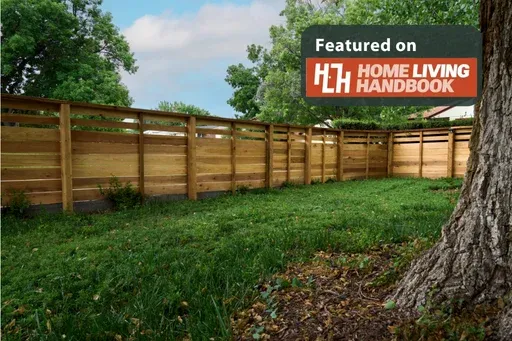
Fence design itself can reduce wind pressure. Semi-private fencing styles and spaced picket layouts allow air to move through the structure rather than directly against it.
This reduces strain on posts and panels while still creating privacy and property definition.
Reinforced hardware improves long-term durability
Fasteners, brackets, and gate hardware are especially vulnerable in coastal climates. Stainless steel and corrosion-resistant materials are often recommended because they hold up better against humidity and salt exposure.
Experienced installers select components specifically designed for coastal conditions rather than relying on standard hardware.
Wind exposure affects different fence styles differently
Some fence designs naturally perform better in coastal environments than others.
Open fencing handles airflow more effectively
Decorative aluminum fencing and spaced picket styles allow wind to pass through more freely, reducing the risk of structural stress during storms.
These types of fences are often recommended for front yards, pool enclosures, and properties with direct wind exposure.
Privacy fencing requires additional reinforcement
Solid privacy fences experience significantly more wind resistance because they block airflow completely. While they remain popular for security and seclusion, they typically require stronger support systems and strategic placement.
During fence installation, contractors may recommend reinforced posts or modified panel layouts to improve durability.
Local regulations and environmental considerations matter
Coastal fencing projects often involve additional planning requirements.
Understanding local installation guidelines
Certain areas within Volusia County may have fencing regulations tied to wind exposure, property setbacks, or environmental protection zones. Permits and height limitations may vary depending on the location of the property.
According to the Florida Building Code, structures in hurricane-prone regions must meet specific wind load requirements to improve safety and long-term performance.
Working with a knowledgeable fence installation company helps homeowners navigate these requirements more efficiently.
Protecting landscaping and drainage
Coastal properties often include drainage systems or landscaping features designed to manage heavy rainfall. Fence placement must account for these elements to avoid water pooling or erosion issues later.
Proper planning ensures the fence supports the overall function of the property rather than disrupting it.
Long-term maintenance still plays an important role
Even the best coastal fencing systems benefit from regular inspections and maintenance.
Seasonal inspections prevent larger issues
Checking posts, fasteners, and gate alignment after major storms helps identify minor issues before they become serious repairs. Coastal conditions can gradually loosen hardware or shift structural components over time.
Routine inspections help extend the lifespan of any fence installation project.
Cleaning protects fencing materials
Salt buildup and moisture exposure can slowly affect fencing surfaces. Periodic cleaning helps preserve appearance and prevents premature wear, especially for metal fencing systems.
Homeowners who maintain their fences consistently often see stronger long-term performance in coastal climates.
Coastal fencing requires strategy, not just style
Installing a fence in Volusia County involves more than choosing an attractive design. Wind exposure, moisture, soil conditions, and material performance all influence how well the fence will hold up over time.
Homeowners working with Top Rail Fence Volusia County benefit from installation strategies specifically designed for coastal environments. From selecting durable fencing material options to reinforcing structural support, every detail contributes to long-term reliability and visual appeal.
If you are considering a coastal fence installation project and want guidance on the best materials and layouts for your property, visit the Contact Us page to connect with Top Rail Fence Volusia County and begin planning a fence built to handle coastal conditions with confidence.