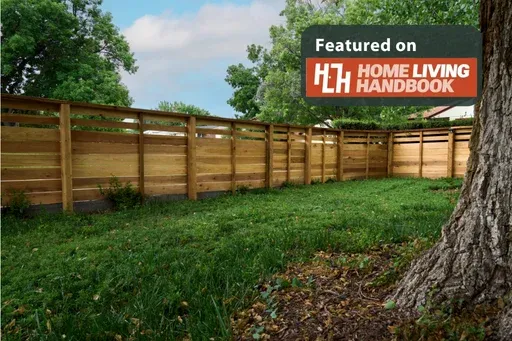
A fence corner is usually where two runs meet, but it can also become one of the most noticeable details in a property's overall layout. In Volusia County, homeowners are giving greater attention to how these intersections look from the yard, driveway, street, and neighboring spaces. A thoughtfully planned wood fence in Volusia County can use corners to introduce stronger proportions, visual rhythm, and architectural character instead of allowing the change in direction to become an overlooked construction detail.
Turn the corner into a visual anchor
A straight fence line naturally directs attention forward. A corner interrupts that movement, creating an opportunity to give the boundary a more deliberate focal point.
Rather than hiding the intersection, a wood fence can emphasize it through posts, framing, changes in panel direction, or carefully coordinated landscaping.
Strengthen the meeting point
Corner posts can become more visually prominent than ordinary line posts. A slightly different scale or a more defined cap can signal that two fence runs are coming together.
The detail should still relate to the rest of the wood fence designs used across the property. A corner that looks completely unrelated can feel decorative for its own sake.
Give the eye a natural pause
A well-defined corner creates a visual break along a long perimeter. This can make an extensive fence feel more organized because the eye encounters distinct points rather than one uninterrupted line.
That effect can be especially useful on properties with long side yards or boundaries that wrap around multiple outdoor spaces.
Use direction changes to create design rhythm
Corners do not all need to look identical. Their treatment can respond to the purpose and visibility of each section.
A backyard corner may be surrounded by landscaping, while a front corner could be highly visible from the street. Treating each location according to its surroundings can make the wood fence feel more integrated with the property.
Change the emphasis without changing the material
The same wood can be used throughout while the framing or post arrangement changes slightly at important intersections.
For example, a corner could feature wider framing, a more substantial post, or a carefully positioned decorative cap. These details can create distinction without requiring a completely different fence style.
Coordinate inside and outside views
A corner should be considered from both sides. What looks attractive from the backyard may appear quite different when viewed from the street or neighboring property.
During wood fence installation, viewing angles can help determine which details deserve greater emphasis.
Let architecture influence the corner
The fence does not exist separately from the home. Exterior columns, rooflines, window proportions, siding, masonry, and other architectural elements can provide useful cues for developing the corner treatment.
Echo existing shapes
A home with strong rectangular forms may pair naturally with clean, squared fence framing. A property with more traditional details could accommodate a more substantial post profile or decorative finishing.
The goal is not to copy the house exactly. Instead, the wood fence can borrow one or two visual characteristics to create continuity.
Use proportion instead of ornament
A corner can become distinctive simply because its components are better proportioned. Larger posts, balanced rails, or carefully aligned boards can create an architectural effect without adding unnecessary decoration.
This gives wood fence designs a refined appearance while keeping the material itself at the center of attention.
Make landscaping part of the corner composition
A fence corner often creates a small triangular or angled area that can become an ideal location for planting, lighting, or other landscape features.
Frame greenery around the intersection
Shrubs, ornamental grasses, palms, or other suitable plants can soften the transition between two fence runs. The vegetation can make the corner feel like part of the landscape rather than simply a meeting point between panels.
The planting arrangement should still allow sufficient access for inspection and maintenance.
Highlight the corner after dark
Low landscape lighting can draw attention to an architectural fence detail after sunset. Lighting can also help define paths and transitions without requiring the fence itself to become overly decorative.
The location of fixtures should be considered alongside the fence posts, planting beds, and pathways before installation.
Use corners to separate outdoor functions
A property may have several areas with different purposes. A fence could surround a pool, define a backyard, screen equipment, or separate a service area.
Corners can help make those transitions more obvious.
Mark the beginning of a private zone
A corner where the fence changes direction can signal that the boundary is moving from a public-facing area toward a more private outdoor space.
The design can remain consistent while the change in direction communicates that the spaces serve different functions.
Create a visual transition between materials
A wood fence may meet a gate, wall, existing structure, or another type of boundary at a corner. The intersection needs to feel intentional so the materials do not appear to have been placed independently.
Matching colors, related proportions, or transitional posts can help connect different surfaces.
Give long boundaries more visual structure
A long fence can become monotonous when every panel has the same appearance and spacing. Corners provide natural opportunities to introduce variation without redesigning the entire boundary.
Use repeated corner details
If a property has multiple corners, repeating the same treatment can establish a recognizable visual language. This might involve matching post caps, similar framing, or consistent proportions.
Repetition gives the property cohesion while still allowing the corners to function as individual focal points.
Reserve stronger details for important locations
Not every corner needs an elaborate treatment. A prominent street-facing corner may deserve more attention than one hidden behind a backyard planting bed.
This selective approach prevents the design from becoming overly busy while directing investment toward the places where it will have the greatest visual effect.
Think about the corner before fence installation begins
A common mistake in fence planning is to focus heavily on the straight runs and address corners afterward. That can limit the available design options.
A professional fence installation company can evaluate the entire fence layout before construction begins, including changes in direction, gates, property features, landscaping, and access requirements.
Account for property geometry
The exact angle between fence runs affects how posts, rails, and panels meet. A corner that appears simple from a distance may require careful planning once property lines, existing structures, and grade changes are considered.
Plan around established features
Trees, drainage areas, walkways, driveways, outdoor equipment, and other features can influence where a corner can be positioned.
Florida's Department of Environmental Protection notes that preserving existing landscapes and trees can help address drainage challenges in developed areas. This makes it useful to consider the surrounding landscape during planning rather than treating the fence corner as an isolated construction point.
Keep moisture and maintenance in the design conversation
The visual appeal of a wood fence should be considered alongside the conditions around it. Corners can collect leaves, vegetation, and moisture if the surrounding landscape is not planned carefully.
Give the fence room to breathe
Plants should not remain pressed continuously against wood surfaces. Adequate clearance can make inspection, cleaning, and general upkeep easier.
The same consideration applies to irrigation. Sprinklers should be positioned so that the fence is not subjected to unnecessary, repeated moisture.
Make corner details accessible
A highly detailed corner may look impressive, but it should remain practical to inspect and maintain. Straightforward construction can make it easier to identify changes in boards, posts, fasteners, or surrounding vegetation over time.
This balance allows the design to remain attractive without creating unnecessary maintenance complications.
Use gates and corners as a coordinated pair
When a gate is positioned near a corner, the two elements can work together to establish a stronger entrance sequence.
Align the gate with the surrounding geometry
A gate located close to a corner should relate to the direction of both fence runs. The transition can be emphasized through matching posts, framing, or a carefully selected gate style.
Avoid making every feature compete
If the gate already serves as a major focal point, the adjacent corner may benefit from a quieter treatment. Conversely, a simple gate can allow a distinctive corner to provide more visual interest.
This creates hierarchy instead of placing equal emphasis on every component.
Make the corner reflect the property's character
The most effective wood fence designs are not necessarily the most elaborate. A successful corner may simply feature stronger proportions, carefully aligned boards, a distinctive post, or landscaping that makes the intersection feel intentional.
For Top Rail Fence Volusia County, this approach allows the fence to respond to the property rather than treating every boundary as a standard straight run. The corner becomes part of the overall composition, helping connect the home's architecture, landscape, gates, and fence lines.
A well-planned wood fence can make these overlooked intersections feel purposeful while maintaining consistency across the property. From substantial posts and clean framing to coordinated landscaping and thoughtful transitions, a corner can contribute significantly to the character of the finished boundary. If you are planning a wood fence installation in Volusia County, Contact Us to speak with Top Rail Fence Volusia County about working with a fence installation company that can develop a corner-focused approach suited to your property's layout.