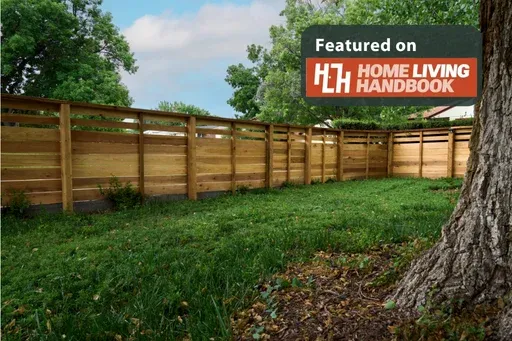
A garden can extend the character of a home beyond its walls, but the property boundary plays an important role in how that connection is experienced. In Wilmington, a thoughtfully designed metal fence can do more than separate a yard from its surroundings. It can frame planting beds, complement architectural details, preserve sightlines, and create a transition between the home's structure and the landscape. Working with Top Rail Fence Wilmington can help homeowners approach the fence as part of the property's overall visual composition rather than as an isolated boundary.
The relationship between fencing and landscaping becomes especially noticeable when the garden is visible from patios, windows, walkways, and outdoor living areas. A well-positioned metal fence can provide the structure that allows those spaces to feel connected.
Let the fence become part of the garden's composition
A garden is rarely made up of plants alone. Paths, edging, patios, seating areas, trees, and other landscape features all contribute to its appearance. The fence sits at the perimeter, but its visual influence can extend throughout the space.
Rather than competing with those elements, metal fencing can provide a consistent backdrop that gives the garden greater definition.
Create a backdrop for layered planting
Plants can look different depending on what sits behind them. Flowers, shrubs, ornamental grasses, and trees can stand out more clearly when they have a consistent boundary behind them.
A metal fence with an open configuration can provide this backdrop while still allowing portions of the surrounding landscape to remain visible. This creates depth without making the garden feel boxed in.
Connect architectural lines with landscape features
The strongest outdoor designs usually have some relationship between the home and its surrounding landscape. Fence proportions, geometry, and placement can reinforce that relationship.
For example, the clean lines of a metal fence can complement contemporary architectural details, while carefully selected spacing can work alongside traditional landscaping without overwhelming it.
Repeat visual patterns throughout the property
Repetition can help separate elements feel connected. Fence lines can echo the direction of pathways, patio edges, garden borders, or architectural features around the home.
During metal fence installation, considering these relationships can create a more cohesive appearance. Instead of looking like an addition placed around the property, the fence can appear to have been considered as part of the original outdoor design.
Preserve the visual relationship between home and garden
A solid boundary can completely separate a garden from its surroundings. While privacy can be desirable in certain areas, blocking every view is not always necessary.
Metal fencing offers an alternative when homeowners want a defined property edge without eliminating visual connections between different parts of the landscape.
Keep important views open
A garden may be visible from a kitchen window, dining area, deck, or patio. Maintaining some visibility between these spaces can make the landscape feel more integrated with everyday life.
An appropriately designed metal fence can establish the property's edge while allowing homeowners to continue seeing flowers, trees, and other landscape features from inside and outside the home.
Give garden paths a stronger sense of direction
Pathways help people move through a garden, but they can also establish visual direction. A fence positioned alongside or beyond a path can reinforce that movement.
This can be particularly useful when a walkway leads toward a gate, seating area, planting bed, or another destination.
Align openings with natural movement
A gate should feel like a continuation of the landscape rather than an interruption. Its position can correspond with existing walkways and access points so that movement through the garden feels intuitive.
A carefully coordinated fence installation can account for these routes from the beginning. This helps prevent a situation where the fence is technically functional but forces people to approach the garden from an awkward direction.
Use contrast without creating visual competition
Gardens naturally contain a wide range of colors, textures, and forms. A fence can either add to that complexity or provide visual restraint.
A metal fence can offer a structured element that contrasts with softer planting. The distinction between rigid lines and organic growth can create an attractive balance across the yard.
Balance hardscape and greenery
The relationship between hardscape and planting is important when designing outdoor spaces. Patios, retaining walls, paths, and fencing provide structure, while plants soften those surfaces.
The USDA gardening resources provide guidance and information related to gardening and plant care. For a Wilmington property, using that broader landscape perspective can help homeowners think about how a fence should coexist with the garden rather than simply sit behind it.
Make the property boundary work with mature landscaping
Established trees and gardens can become some of the most distinctive features of a property. A new fence should account for those features rather than treating the yard as an empty space.
Trees may influence fence placement, while established planting beds can affect access and visibility. These conditions make site planning an important part of metal fence installation.
Work around established landscape features
A fence line does not always need to follow the most obvious route. Adjustments around mature trees, garden beds, or other permanent features can sometimes produce a more natural relationship between the boundary and the landscape.
This approach also prevents the fence from appearing visually disconnected from the garden. The goal is to create a boundary that respects what is already working on the property.
Use gates as transitions between outdoor spaces
Gates can have a larger visual impact than their size might suggest. They mark where one area ends and another begins, making them useful for creating transitions between different parts of a landscape.
A garden gate can lead toward a patio, side yard, vegetable garden, or walkway while reinforcing the overall design of the metal fence.
Make entrances feel connected to the landscape
The area around a gate can be enhanced with planting, pathway materials, lighting, or other landscape features. When these details work together, the entrance can feel like a deliberate destination.
A coordinated fence installation should consider the gate and its surroundings rather than treating the gate as a separate component.
Create privacy without losing garden character
Some portions of a garden benefit from privacy, particularly around patios, seating areas, or outdoor dining spaces. However, complete enclosure can sometimes make a landscape feel smaller.
A metal fence can offer a more open visual approach in areas where maintaining sightlines is important. Different sections of the property can then serve different purposes.
Separate private areas from open garden views
A fence can provide stronger definition around a seating area while remaining more visually open near planting beds. This creates zones without forcing the entire landscape into one design.
For residential fencing, this flexibility can be valuable because the same property may need privacy in one location and openness in another.
Consider how the fence looks from inside the home
The fence is part of the landscape view even when homeowners are indoors. A bedroom, living room, kitchen, or dining space may overlook the backyard throughout the year.
This makes the fence's appearance important beyond the property line itself. A well-planned metal fence can provide a stable visual element that remains attractive as seasonal planting changes.
Build a consistent year-round backdrop
Flowers may disappear during colder months, leaves can fall, and annual plants eventually need replacing. The fence remains.
Choosing proportions and spacing that work with both dense summer planting and quieter seasonal landscapes can help the property maintain visual cohesion throughout the year.
Plan fencing and landscaping as one project
When landscaping and fencing are planned independently, conflicts can appear later. A new garden bed may sit too close to a fence, a pathway may lead toward the wrong access point, or mature planting may eventually obscure important sections.
Planning the two together allows each element to support the other. Top Rail Fence Wilmington can help homeowners consider fence placement alongside the property's existing landscape and intended outdoor improvements.
Give future planting room to develop
A garden is not static. Small plants can become mature shrubs or trees, and open planting beds can eventually become dense landscape features.
Leaving appropriate room around the metal fence allows the garden to develop without overwhelming the boundary. This forward-looking approach can also make future maintenance easier.
Make the boundary feel like a natural extension of the home
The best fencing does not necessarily call attention to itself. Instead, it contributes to how the entire property feels.
For Wilmington homeowners, a metal fence can provide the visual structure needed to connect the architecture of the home with the organic character of its gardens. Through thoughtful spacing, placement, gates, and coordination with planting, the boundary can become part of the property's identity.
Bring the home's outdoor character together
When fencing, landscaping, pathways, patios, and architecture work from a shared visual direction, the property can feel more complete. The fence becomes more than a perimeter. It helps establish continuity between the places where people live, move, relax, and garden.
Top Rail Fence Wilmington can help homeowners explore how metal fencing can support that connection while meeting the practical needs of the property. If you are planning metal fence installation and want the boundary to complement your garden rather than simply surround it, visit the Contact Us page to discuss your project and find a fence installation approach suited to your Wilmington home.