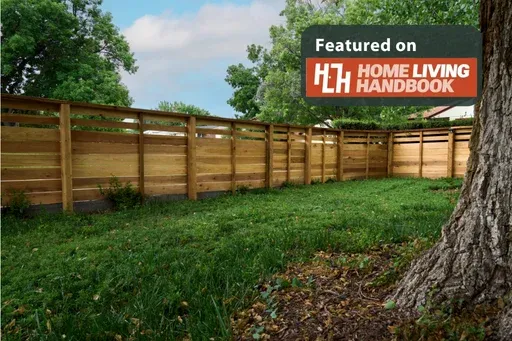
When planning a new fence, one of the first questions that arises is where the fence should actually go. While property boundaries provide a logical starting point, they may not always align with how a family uses its outdoor space. In Anderson, this discussion has become increasingly relevant as homeowners look for ways to make their backyards more functional without sacrificing aesthetics or privacy.
A successful fence installation is not simply about marking ownership. It is also about supporting the way people move, gather, relax, and enjoy their property every day. Those evaluating fencing options can explore solutions through Top Rail Fence Anderson to understand how strategic planning can improve both usability and appearance.
Understanding the difference between boundaries and behavior
Property lines define legal ownership, but daily habits define how outdoor spaces are actually experienced. The most effective fencing plans often consider both factors.
Looking beyond survey markers
A property survey identifies where ownership begins and ends, but it does not reveal where children play, where pets spend time, or where outdoor entertaining takes place. These lifestyle considerations can influence the ideal placement of vinyl fencing.
Evaluating how outdoor spaces are used
Some homeowners rarely use portions of their property. Others spend most of their time around patios, gardens, or outdoor kitchens. A fencing layout that reflects these patterns may provide greater value than one that simply follows the perimeter.
Creating spaces that support daily routines
Thoughtful vinyl fence installation can help shape outdoor areas around activities that occur regularly. This approach allows the fence to become part of the property's functionality rather than just a boundary marker.
Why following property lines is still important
While daily habits matter, property lines remain a critical consideration in any fencing project.
Maximizing usable space
Installing vinyl fencing along property boundaries can help homeowners take full advantage of their available land. This strategy is especially beneficial for smaller lots where every square foot matters.
Establishing clear ownership
A fence positioned near property lines can help reduce confusion regarding boundaries and improve clarity between neighboring properties.
Supporting long-term planning
Future landscaping projects, additions, and outdoor improvements often become easier when fencing aligns with established property limits. Proper fence installation helps create a predictable framework for future enhancements.
When should daily habits influence fence placement
There are situations where placing a fence directly on the property line may not deliver the most practical result.
Prioritizing frequently used areas
If most outdoor activities occur within a specific section of the yard, enclosing that space may provide greater functionality than fencing the entire property.
Creating more manageable outdoor environments
Large fenced areas can require additional maintenance and upkeep. Concentrating vinyl fencing around primary activity zones may create a more efficient outdoor layout.
Improving convenience and accessibility
Gate placement, walking paths, and gathering areas should all work together. Designing around daily routines can help ensure that a vinyl fence installation supports the way the property is actually used.
Finding the middle ground between practicality and design
For many homeowners in Anderson, the best solution is not choosing one approach over the other. Instead, it involves balancing property boundaries with lifestyle needs.
Using fence lines to define outdoor destinations
A fence can guide movement throughout a property by creating distinct areas for relaxation, recreation, and entertaining. Strategic placement helps each space feel purposeful.
Combining functionality with visual appeal
Modern fence styles provide opportunities to create attractive layouts that support both practical goals and curb appeal. The right design can help unify outdoor spaces while maintaining flexibility.
Adapting to unique property characteristics
Every lot presents different opportunities and challenges. Slopes, trees, patios, and existing structures all influence where vinyl fencing will perform best.
For additional guidance on residential site planning and outdoor design principles, the National Association of Realtors Home and Design Resources provides useful information on maximizing property functionality and value.
How fence styles influence placement decisions
The style of fence selected can also affect where it should be installed and how it interacts with the surrounding landscape.
Creating privacy where it matters most
Certain fence styles are designed to enhance privacy around patios, pools, and outdoor living areas. Placement should reflect where privacy is most valuable.
Maintaining visual openness
Not every section of a property requires complete enclosure. Different fence styles can help maintain visibility while still establishing clear boundaries.
Enhancing neighborhood compatibility
A fence should complement both the home and the surrounding properties. Matching design choices to the local environment contributes to a more cohesive appearance.
Homeowners interested in comparing various vinyl fencing solutions can explore options that balance privacy, aesthetics, and functionality.
Making a fence work for the future
Fence placement decisions should support not only current needs but also future plans for the property.
Planning for changing lifestyles
Outdoor priorities evolve over time. Areas used for recreation today may become garden spaces, entertainment zones, or quiet retreats in the future.
Supporting property improvements
A well-planned vinyl fence installation can accommodate future additions such as pergolas, outdoor kitchens, fire features, and expanded landscaping.
Investing in long-term usability
The best fencing projects continue delivering value years after installation. Designing around both property lines and daily habits helps create a more adaptable outdoor environment.
Working with Top Rail Fence Anderson allows homeowners to evaluate fencing layouts from multiple perspectives. Professional planning can help determine whether following property boundaries, daily routines, or a combination of both will create the most effective result.
The debate between property lines and daily habits does not always require a single answer. In many cases, the strongest fencing designs blend legal boundaries with practical living patterns. By carefully evaluating how a property is used, homeowners in Anderson can create a vinyl fencing solution that enhances privacy, supports everyday activities, and improves overall outdoor enjoyment. To discuss your project and receive expert guidance, visit Contact Us and connect with Top Rail Fence Anderson today.