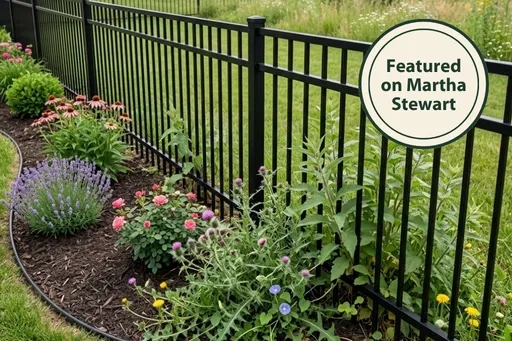
A front yard fence influences how your property connects with the street, how visitors approach your entrance, and how your outdoor space functions throughout the year. Before choosing a design, consider your property's layout, neighborhood requirements, preferred appearance, and long-term maintenance needs. The Top Rail Fence location team can help you explore suitable fencing solutions and understand the factors involved in planning a new installation. With careful preparation, your front yard fence can establish clear boundaries while complementing the character of your property.
Define the purpose of your front yard fence
Before comparing styles or requesting estimates, identify what you expect your fence to accomplish. A decorative boundary has different requirements from an enclosure designed to contain pets or separate a garden from a public walkway.
Separate outdoor spaces without closing them off
A front yard often serves several purposes. It may include a landscaped garden, a driveway, a path to the front door, and an area where children or pets spend time. A well-planned fence can distinguish these spaces without making the property feel disconnected from the street.
For example, an open picket fence can define the edge of a lawn while allowing passersby to see the landscaping. A more substantial design may be appropriate when establishing a stronger visual boundary is the priority.
Think about daily access
Consider how people will enter and leave the property. Gate placement should accommodate visitors, deliveries, lawn care equipment, and regular movement between the driveway and front entrance.
Measure the available space before deciding where gates and fence sections should go. Make sure gates can open comfortably without interfering with parked vehicles, walkways, or nearby landscaping. These practical details should guide your front yard fence installation plan from the beginning.
Check the property requirements before making commitments
A design that looks ideal may need adjustments to meet local restrictions. Investigating the applicable requirements early can help you avoid delays, unexpected expenses, and changes to the finished layout.
Understanding how land-use planning affects your project can also help you prepare for potential restrictions. The American Planning Association's overview of zoning and property setbacks explains how planning regulations can influence the use and layout of land. Use this resource as general background when preparing your front yard fence project, then consult your local planning department for the current rules that apply to your property.
Verify local zoning and neighborhood guidelines
Local authorities may regulate front yard fence height, placement, materials, and visibility near roads or intersections. Homeowners associations and planned communities may also have architectural guidelines governing fence appearance.
Contact your local zoning or planning department to establish which rules apply to your property. If your home is within a regulated neighborhood or historic district, ask whether additional approval is necessary before construction.
Do not rely on a general height recommendation found online. Requirements vary by jurisdiction, and the rules for a front yard may differ from those for a backyard.
Confirm boundaries and underground utilities
An existing hedge, driveway edge, or sidewalk should not automatically be treated as the legal property line. Review available property surveys and obtain professional assistance if the boundary is uncertain. Easements and public rights of way can also affect where a fence may be placed.
Before excavation, arrange for underground utility lines to be marked through the appropriate local service. Planning around these restrictions protects existing infrastructure and helps establish a suitable installation route.
Compare fence materials for your property's needs
The right material should fit your preferred appearance, maintenance expectations, and budget. Exploring different fence material options also helps you understand how each product will look alongside your home's exterior and landscaping.
Wood fencing for natural character
Wood can create a welcoming, traditional appearance and offers flexibility in picket spacing, decorative details, and finishes. It can complement a range of architectural styles, particularly when its color coordinates with exterior trim or other natural features.
However, wood typically requires periodic maintenance. Depending on the product and environmental conditions, painting, staining, sealing, or replacing damaged boards may be necessary. Consider whether you are comfortable with these responsibilities over the life of the fence.
Vinyl fencing for simpler maintenance
Vinyl fencing is available in multiple styles and colors, making it suitable for properties that need a consistent, finished appearance. It does not generally require routine painting or staining, although occasional cleaning is still important.
Compare product construction, available designs, and manufacturer care instructions before choosing a particular option. The material should suit the local climate and the amount of exposure it will receive.
Ornamental metal for visibility and definition
Aluminum and steel fencing can establish a clear boundary without blocking views of the house or front garden. Their clean lines and decorative details work well with properties where an open appearance is important.
Different metal products have different protective finishes, maintenance requirements, and resistance to corrosion. Ask about the characteristics of the specific product under consideration rather than assuming all metal fencing performs identically.
Choose a style that fits the surrounding architecture
Consider the relationship between the fence, exterior finishes, landscaping, and overall proportions of the property. A tall, visually heavy design may overwhelm a small frontage, while a delicate fence could look out of place on a large property.
Compare samples or photographs of completed projects to evaluate color, spacing, and proportions. Your front yard fence should complement the house rather than compete with its architectural features.
Balance curb appeal with visibility and privacy
Front yard fencing is often more effective when its design reflects the property's relationship with the street. A fence can define a boundary while preserving a welcoming appearance, but its height and spacing require careful consideration.
Preserve clear views near entrances
Drivers need adequate visibility when entering or leaving a driveway. Pedestrians should also be able to approach gates and walkways safely. If the property sits near an intersection, special attention to sightlines is particularly important.
Consider how the fence will affect views from vehicles, the front door, and nearby sidewalks. Confirm any applicable visibility restrictions before finalizing the layout.
Coordinate fencing with landscaping
Trees, shrubs, flower beds, and garden borders can influence the placement and appearance of a fence. Leave room for plants to grow and for routine maintenance, and avoid locating posts where they could interfere with established roots.
You can also use landscaping to soften the appearance of an open fence. However, choose plants that will not obstruct gates, conceal important sightlines, or create unnecessary maintenance around the fence line.
Build a realistic installation budget
The total cost of a fencing project depends on more than the price of the selected material. The length of the fence, site conditions, gates, preparation work, and installation requirements can all affect the final estimate.
Include the entire scope of work
Ask for a written estimate that identifies the materials, measurements, gate hardware, labor, and site preparation. If an existing fence needs to be removed, confirm whether dismantling and disposal are included.
Sloping ground, difficult soil conditions, obstacles, and landscaping features may require additional work. Discuss these possibilities before approving the project so that the estimate reflects the actual conditions as closely as possible.
Consider ongoing maintenance costs
An affordable initial price does not always represent the lowest long-term cost. Compare expected upkeep, product warranties, and the likely need for repairs when reviewing your options.
A knowledgeable fence company should explain the advantages and limitations of suitable materials, helping you weigh upfront expenses against maintenance requirements. Request clarification whenever an estimate or product recommendation is unclear.
Evaluate the installation team before signing an agreement
Even a well-chosen fence can disappoint if measurements are inaccurate or the installation is poorly planned. Selecting an experienced provider helps establish clear expectations for the work.
Review the proposed design and installation process
Ask how the fence line will be measured, how gate locations will be determined, and how the installer will account for changes in ground level. Confirm that the proposed layout reflects the applicable property restrictions and your intended use of the space.
A written agreement should outline the materials, project scope, payment schedule, expected timeline, cleanup arrangements, and warranty terms. Reviewing these details makes it easier to compare providers and understand what the quoted price covers.
Resolve layout questions before work begins
Review the planned fence line and confirm the position of every gate and corner. Consider how the finished fence will relate to the driveway, entrance path, neighboring boundaries, and existing landscaping.
Making these decisions before construction reduces the likelihood of avoidable alterations. It also helps ensure that the finished installation reflects both your practical requirements and your preferred appearance.
Contact Top Rail Fence
Planning a front yard fence involves balancing appearance, access, local requirements, material performance, and installation costs. Taking time to evaluate these factors can help you choose a design that suits your property and remains practical to maintain. If you are ready to discuss your project, contact Top Rail Fence to explore suitable fencing options and get guidance on planning your front yard installation.