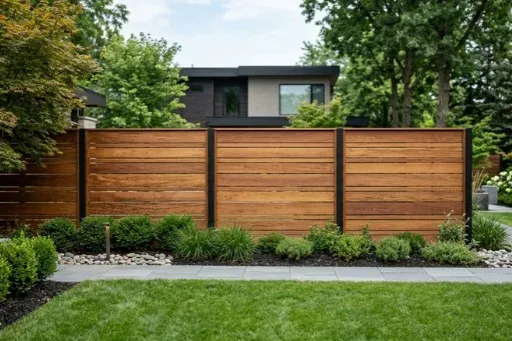
The final walkthrough is an important part of any fencing project because it gives you an opportunity to check the completed work before the crew packs up. In Denver, changing ground levels, gate access, property boundaries, and the way a fence connects with existing structures can all affect the finished result. A careful review helps confirm that your residential fencing matches the agreed design, operates as intended, and is ready for everyday use. Working with Top Rail Fence Denver also gives you a point of contact for discussing the installation plan, reviewing the finished fence, and identifying any details that need attention before the project is considered complete.
Check the finished fence against the original plan
A fence can look complete from the street while still having small details that deserve a closer inspection. Before accepting the handoff, compare the finished installation with the original agreement, including the planned layout, material, height, gate positions, and any special requests.
Walk the full perimeter instead of checking one section
Start at one end of the fence and follow the entire boundary. Look for consistent panel spacing, secure connections, and sections that appear noticeably tilted or uneven. Pay particular attention to corners and places where the fence changes direction, since these areas can reveal alignment issues that are less obvious from a distance.
If the design includes different heights or styles in separate parts of the yard, confirm that each transition matches the approved plan. This is especially useful when residential fencing surrounds a front yard, continues along a side passage, and finishes at a backyard gate.
Compare the materials and details with the agreement
Check that the installed material, finish, and visible components correspond with what was selected. Look for missing caps, loose boards, unfinished edges, or damaged panels. If the project includes decorative features, confirm that they have been installed in the intended positions.
A final inspection is also a practical time to discuss anything that looks different from the original design. Identifying a discrepancy while the installation team is still present can make it easier to clarify the issue and agree on the appropriate next step.
Put every gate through a practical test
Gates are among the most frequently used parts of a fence, so their operation deserves more than a quick glance. A panel may appear properly aligned while the gate itself catches on the ground or fails to close securely.
Open and close each gate several times
Operate every gate through its full range of movement. It should swing or slide as designed without scraping the ground, catching on adjacent panels, or requiring unusual force. Check whether the latch lines up correctly and whether the gate remains in its intended position when closed.
If a gate uses hinges, examine the visible connections for looseness or signs of strain. Any self-closing or locking feature included in the agreed design should also be tested. These checks help determine whether the completed home fence installation supports the way you intend to enter, leave, and use the yard.
Check access from both sides
Test the gate from inside and outside the enclosed area wherever access is available. Make sure handles and latches are convenient to reach, and confirm that the opening provides sufficient clearance for people, bins, lawn equipment, or other items that need to pass through.
If the gate opens toward a walkway, driveway, or garden bed, check that its movement does not create an unexpected obstruction. Small access problems can become daily frustrations if they are overlooked during the handoff.
Inspect the ground around posts and fence panels
The fence line should meet the surrounding landscape in a way that looks intentional and allows the yard to remain usable. In Denver, sloped sections, recently disturbed soil, and changes in elevation can make the lower edges of a fence especially important to inspect.
Look for unexpected gaps and abrupt changes in height
Check the space beneath the bottom rail or panels along the full fence line. Some gaps may be necessary because of the terrain or the chosen design, but large, inconsistent openings could indicate a layout concern. Look at sloped sections to see whether the panels follow the intended grading approach without leaving awkward spaces or appearing improperly positioned.
Also examine the ground around each post. Soil should not be noticeably displaced, and posts should not appear loose or tilted. If you spot a concern, ask the installation crew to explain whether it is expected or requires correction.
Confirm that drainage and landscaping remain practical
Inspect areas near downspouts, garden beds, paved walkways, and other places where water naturally collects or flows. The finished fence should not create an obvious obstruction to existing drainage or leave landscaping features inaccessible.
Denver's changing weather makes it sensible to consider how the area around the fence will be maintained after installation. Discuss any concerns about water movement or ground disturbance before the crew leaves, particularly where the fence meets a retaining wall or an established landscape feature.
Review the boundary, paperwork, and project closeout
A visual inspection is only one part of a successful handoff. You should also know what was completed, what documentation is available, and how any outstanding issues will be handled.
Clarify the approved location and permit details
If there were adjustments to the original layout, confirm where the final fence was installed and why the change was made. This is particularly important near shared property lines, sidewalks, alleys, and existing structures.
The City and County of Denver's fence permit instructions explain the site-plan information required for applicable fence permit applications. Before closing out the project, verify that relevant approvals and documentation have been addressed for your specific installation. Requirements can vary, so do not assume every residential fence follows the same permit process.
Ask about unfinished items and agreed corrections
If you notice a damaged component, an incomplete finish, or a gate that needs adjustment, identify the exact location and ask how the issue will be resolved. Take photographs when helpful and request written confirmation of any agreed follow-up work.
A reliable fence company should be able to explain the next steps clearly. Before signing off, make sure you understand any remaining tasks, the expected timing, and whom to contact if a concern becomes apparent after the crew has departed.
Learn how to care for the new fence
The handoff should leave you prepared to maintain the installation, not simply admire its finished appearance. Different materials have different care requirements, and understanding those requirements early can help prevent avoidable wear.
Request material-specific maintenance advice
Ask how to clean the fence, which products to avoid, and what signs of wear deserve attention. Wood may need periodic inspection for moisture damage, loose boards, or changes in its finish. Vinyl benefits from appropriate cleaning and checks for damaged panels. Metal fencing should be examined for loose connections and any coating damage that could require attention.
If you are reviewing fencing styles and material options, Top Rail Fence Denver can help you understand how your selected design relates to the property's intended use and maintenance expectations. Keep any care instructions provided by the crew so you have a useful reference after installation.
Understand the warranty and support process
Ask which parts or workmanship are covered, how long the applicable coverage lasts, and whether specific maintenance steps are required. Keep your contract, receipts, product information, and any warranty documents together.
These records can make future questions easier to resolve. They also help distinguish ordinary maintenance from an issue that may need professional attention.
Make the handoff a clear finish to the project
A successful home fence installation should leave you with more than a completed boundary. The fence should match the agreed plan, the gates should work properly, the surrounding ground should remain practical to maintain, and any outstanding concerns should have a clear resolution. Taking time to complete these checks helps ensure your residential fencing serves its intended purpose from the first day.
For homeowners planning a new fence or reviewing the final details of an existing project in Denver, Top Rail Fence Denver can help clarify design choices, installation expectations, and the next steps for a fencing project. Review the completed work carefully, keep the relevant documentation, and contact the team to discuss your fence installation needs or any questions about your project.