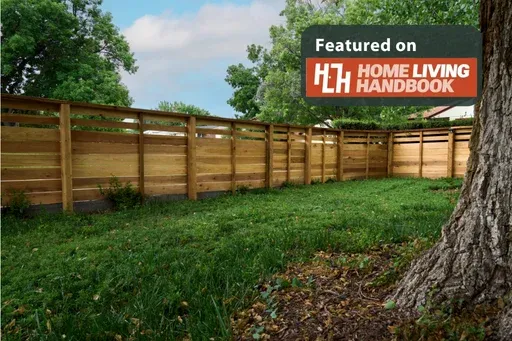
A thoughtfully placed metal fence can protect a specific part of a landscape without turning the entire property into a closed-off enclosure. In Denver, where established trees, garden areas, patios, water features, and carefully planned outdoor spaces can contribute significantly to a property's appearance, selective fencing can create protection while preserving the openness of the landscape. Top Rail Fence Denver can help develop a layout that uses fencing where it provides the most practical value rather than treating the entire property as one enclosed area.
Protect the features that need the most attention
Not every part of a property needs the same level of protection. A mature tree may need separation from foot traffic, while a garden may need a boundary that keeps pets away. A metal fence can be particularly useful when the objective is to protect individual landscape features while leaving other portions of the yard accessible.
Give established trees more breathing room
Mature trees can become defining elements of a Denver property. Their size, canopy, and position can influence everything from outdoor seating to the way the home is viewed from the street.
A strategically positioned metal fence can help establish a clear buffer around an important tree without enclosing the surrounding yard. This can discourage people, pets, equipment, or routine outdoor activity from moving directly through a sensitive area.
Denver's own construction guidance recognizes the importance of protecting established trees during site work. The city's tree protection requirements can include defined protection zones and restrictions on construction activity around protected trees.
Separate gardens from everyday activity
Vegetable gardens, flower beds, and ornamental planting areas can be vulnerable to accidental foot traffic. A low-profile metal fence can establish a visual and physical distinction between the planting area and the parts of the yard used for recreation.
This approach can be especially useful when the garden sits close to a patio, walkway, or play area. Rather than fencing the whole backyard, the boundary can focus attention on the specific area that needs protection.
Use visibility as part of the protection strategy
One of the advantages of a metal fence is that it can create a boundary without completely blocking what lies beyond it. Open picket arrangements, ornamental profiles, and other metal designs can provide separation while allowing the landscape to remain visible.
This makes metal fencing worth considering when a homeowner wants protection without sacrificing the visual relationship between different areas of the property.
Keep the landscape visible from key viewpoints
A solid barrier can hide landscaping that was intentionally designed to be seen. An open metal fence can work differently.
A fence around a garden, planting bed, or mature tree can still allow those features to contribute to the overall appearance of the property. From the sidewalk, driveway, patio, or front windows, the landscaping remains part of the visual composition.
The result is a boundary that performs a practical function without making the yard feel divided into isolated sections.
Create separation without adding visual weight
The scale of the fence matters. A substantial enclosure around a relatively small landscape feature may attract more attention than the feature itself.
A carefully proportioned metal fence can provide enough definition to protect the area while maintaining a lighter presence. Height, picket spacing, post dimensions, and decorative details can all influence this balance.
Build the fence around the landscape instead of against it
Landscape protection works best when the fence layout respects what is already growing and established on the property. The location of tree trunks, canopy spread, planting beds, drainage areas, irrigation, and walkways should all be considered before metal fence installation begins.
Allow room for plants to mature
A planting bed that looks compact today may expand considerably over several growing seasons. Similarly, a young tree can eventually develop a much wider canopy and root zone.
Leaving appropriate space between the fence and landscaping can reduce future conflicts. It can also make trimming, watering, pruning, and other maintenance tasks easier.
A fence should establish the intended boundary without forcing plants into an unnecessarily restricted space.
Avoid creating maintenance obstacles
Landscape features still require regular attention. Gates and access points may be needed for lawn equipment, garden tools, maintenance crews, or seasonal work.
A thoughtful metal fence installation accounts for these requirements from the beginning. The objective is to protect the landscape while preserving practical routes around it.
Choose a design that complements Denver's outdoor character
A landscape-focused fence does not need to look like a purely utilitarian structure. The appearance of the metal fence can contribute to the architectural and landscape design.
Denver properties can vary considerably in architectural character, from older homes with established landscaping to newer properties with cleaner, contemporary lines. A fence design should work with those surroundings rather than appearing disconnected from them.
Match the fence to the property's architecture
Ornamental details can introduce a more traditional appearance, while simple horizontal or vertical elements can create a cleaner contemporary effect.
The right design can make the fence appear intentional rather than something added after the landscape was completed.
This is particularly important when the fence is located in a highly visible part of the property. Because an open metal design allows the landscaping to remain visible, the fence itself becomes part of the property's visual composition.
Keep important landscape views open
A fence can guide attention rather than simply restrict movement. For example, a low or open configuration around a planting area can define the space while keeping a garden, tree, or architectural feature visible from the street.
That makes the fence part of the landscape plan instead of an obstruction placed between the viewer and the property.
Consider targeted metal security fencing
Some landscape features need more than a visual boundary. A property may contain a valuable garden installation, delicate landscaping, equipment near a planted area, or another feature that needs stronger separation.
In those situations, metal security fencing can provide a more substantial barrier while retaining the visibility associated with many metal fence designs.
Protect specific zones instead of the whole yard
Security does not always require a continuous perimeter. A homeowner may only need to restrict access to one portion of the property.
A targeted enclosure can protect the area that presents the greatest concern while leaving the rest of the yard open for normal use. This can make the overall property feel less restrictive.
Combine security with landscape visibility
The ability to see through many metal fence designs can be useful when monitoring a protected area. A homeowner can maintain a visual connection with the garden, tree, or other landscape feature while still creating a physical boundary.
This combination can make metal fencing a practical option when both protection and appearance matter.
Plan around Denver's established landscape requirements
Local requirements should be considered whenever fencing interacts with established landscaping, particularly trees and areas affected by construction activity. Denver provides regulations and standards covering development, zoning, landscaping, and urban forestry. Its guidance notes that established trees may require protection during construction, and specific requirements can apply depending on the property and project.
Identify sensitive areas before installation
Before posts are positioned, the proposed fence line should be reviewed alongside trees, planting beds, irrigation, drainage, utility locations, and existing hardscape.
This helps identify potential conflicts before installation work begins. It also gives the fence design a better opportunity to work with the existing landscape instead of requiring unnecessary changes to it.
Respect the property's existing character
Denver's landscape guidance recognizes the importance of established trees and landscaping in shaping the character of properties and neighborhoods.
That makes thoughtful placement especially important when a fence is being installed near mature landscape features. The objective should be to add protection while preserving the elements that already give the property its identity.
Make the fence a supporting element
A successful landscape protection project does not make the fence the main attraction. Instead, the metal fence should support the feature it is intended to protect.
A garden should still look like a garden. A mature tree should remain a focal point. A carefully designed planting bed should continue contributing to the appearance of the yard.
This is where customized fence solutions can be valuable. Instead of selecting a standard perimeter and applying it across the property, the layout can be developed around the specific features, access requirements, and visual priorities of the site.
Turn selective protection into a cohesive landscape plan
Protecting valuable landscape features does not necessarily mean placing the entire property behind a barrier. A strategically designed metal fence can isolate sensitive areas, guide movement, protect planting, and create visual definition while keeping much of the yard open.
Top Rail Fence Denver offers customized fencing designed around individual property layouts, with metal options suited to both security and visual appeal. For a closer look at available designs, the metal fencing options can help homeowners consider how an open metal design might fit their landscape.
When the goal is to protect a specific tree, garden, planting area, or other valuable feature, the fence should be planned around that feature rather than simply placed along the outer property line. Top Rail Fence Denver can help develop a metal fence layout that provides protection while preserving the openness, visibility, and character of a Denver landscape. To discuss the project and explore appropriate fence solutions, homeowners can use the Contact Us page.