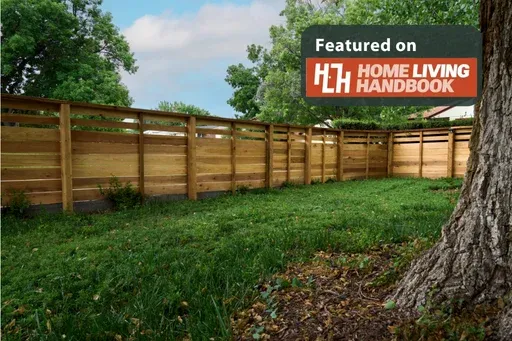
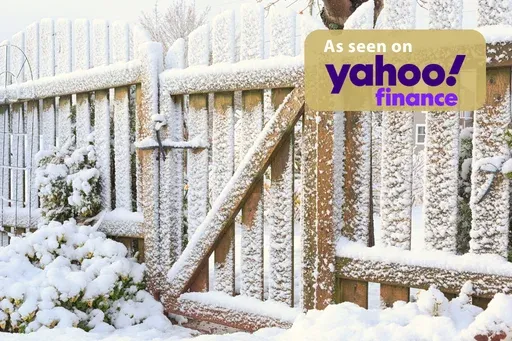
Many homeowners in Denver focus on privacy, security, and appearance when planning a new fence installation project. What is often overlooked is how much direct sunlight can influence the long-term condition of a fence. From fading materials to temperature-related expansion, sun exposure affects both durability and maintenance requirements. Homeowners searching for reliable solutions frequently begin by visiting Top Rail Fence Denver to understand how climate-aware fencing strategies improve long-term performance.
For homeowners working with Top Rail Fence Denver, every fence installation is planned with environmental conditions in mind. Instead of treating sunlight as an afterthought, experienced professionals incorporate it into the overall fence design process from the very beginning.
Why sunlight matters more in Denver fencing projects
The climate in Denver creates unique challenges for outdoor structures. Higher elevation levels mean stronger UV exposure throughout the year, which can place additional stress on fencing materials over time.
A professional fence company understands that prolonged sunlight can gradually impact color consistency, structural stability, and maintenance schedules. Without careful planning, homeowners may experience premature fading, warping, or surface deterioration after installation.
This is why experienced installers evaluate sun exposure before beginning any fence installation project. Understanding how sunlight interacts with different areas of the property helps create a fencing solution designed for long-term reliability.
How direct sunlight affects fence materials
Not all materials react the same way to intense sun exposure. Some absorb heat more aggressively, while others are specifically engineered to resist UV damage.
Wood fencing can develop dryness and surface cracking without proper treatment. Vinyl fencing may experience discoloration if lower-quality products are used, while certain metal fencing systems can become extremely hot during summer afternoons.
Choosing appropriate fence materials becomes an essential part of the overall fence design strategy. A knowledgeable fence company helps homeowners balance appearance, maintenance expectations, and climate performance during the planning phase.
Why property orientation changes installation planning
The direction a fence faces can influence how much sunlight it receives throughout the day. South-facing fence lines in Denver often experience stronger exposure, while western-facing sections absorb extended afternoon heat.
During a professional fence installation, contractors assess how sunlight moves across the property before determining layout and material recommendations. This level of planning helps reduce uneven wear and improve long-term visual consistency.
According to the National Renewable Energy Laboratory, solar exposure and environmental positioning significantly affect how outdoor materials perform over time.
How fence design adapts to environmental conditions
A successful fence design should complement both the property and the surrounding climate conditions. Environmental exposure affects more than durability. It also influences comfort, usability, and maintenance frequency.
Professional fence services focus on creating layouts that work naturally with the property rather than against it. In Denver, this often includes adjusting fence placement based on sunlight intensity and airflow patterns.
Creating shaded and comfortable outdoor spaces
Many homeowners want outdoor areas that feel comfortable throughout the day. A strategically planned fence installation can help reduce direct glare and improve privacy around patios, seating areas, and gathering spaces.
Fence height, positioning, and material selection all influence how outdoor areas respond to sunlight. Thoughtful fence design can create a more balanced outdoor environment while still maintaining security and curb appeal.
Homeowners exploring customized solutions often review professional fence installation services to better understand how environmental planning improves outdoor functionality.
Why airflow and heat retention matter
Sunlight exposure affects surface temperature, especially during warmer months in Denver. Certain fencing styles may trap heat in smaller outdoor spaces if airflow is not considered during planning.
An experienced fence company evaluates spacing, layout, and fence orientation to help improve ventilation around the property. This approach supports both comfort and long-term material performance.
Professional fence services also consider how landscaping, nearby structures, and shade patterns interact with fencing systems throughout different seasons.
Long-term maintenance starts with smart installation planning
One of the biggest differences between short-term fencing solutions and long-lasting installations is preparation. Careful planning reduces the likelihood of costly repairs and excessive maintenance later.
A reliable fence company does not simply install fencing based on measurements alone. Instead, professionals evaluate environmental exposure, drainage conditions, and long-term material performance before construction begins.
Why maintenance expectations vary by material
Every material requires different levels of care after fence installation. Wood fencing may require periodic sealing or staining, while vinyl and metal systems often demand less frequent maintenance.
The right fence design helps homeowners choose solutions aligned with their maintenance preferences and budget expectations. Selecting durable materials suited for Denver conditions improves long-term value while reducing unnecessary upkeep.
For homeowners working with Top Rail Fence Denver, these recommendations are tailored to the specific environmental conditions surrounding the property.
The value of working with experienced fence services
Not every fencing project faces the same environmental challenges. This is why local expertise matters during the planning process.
Experienced fence services understand how Colorado weather conditions influence installation methods, material selection, and future maintenance requirements. This knowledge helps homeowners avoid common issues related to excessive sun exposure and climate-related wear.
Working with Top Rail Fence Denver provides homeowners with guidance designed specifically for local conditions, helping every fence installation perform reliably over time.
Creating a fence system built for Denver conditions
Sun exposure is not simply a seasonal concern in Denver. It is an important design factor that influences how a fence looks, feels, and performs throughout its lifespan.
A carefully planned fence installation combines durable materials, thoughtful layout decisions, and climate-aware fence design strategies to create a long-lasting outdoor feature. Homeowners who prioritize these factors often experience better performance and lower maintenance costs over time.
If you are ready to explore climate-conscious fencing solutions for your property, visit the Contact Us page to connect with Top Rail Fence Denver and learn more about professional fence services tailored to your outdoor space.