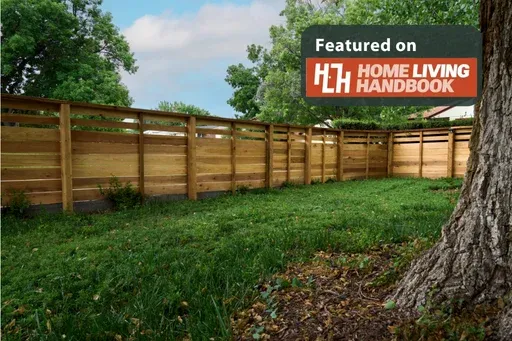
Homeowners across Denver often have very different expectations when planning a fencing project. Some properties are located in compact urban neighborhoods with limited yard space, while others sit in growing suburban communities with larger open layouts. These differences significantly influence how a professional fence company approaches planning, material selection, and long-term functionality. Many residents begin exploring customized solutions through Top Rail Fence Denver to better understand how fencing strategies adapt to different property environments.
For homeowners working with Top Rail Fence Denver, every project begins with understanding how the surrounding property influences layout decisions, privacy expectations, and overall outdoor usability. Urban and suburban spaces may require completely different approaches to successful fence construction.
Why property size changes fencing priorities
The amount of available outdoor space directly impacts how homeowners evaluate fencing needs. Smaller city properties often prioritize privacy and efficient layout planning, while suburban homeowners may focus more on defining larger outdoor areas.
An experienced fence company understands that these differences influence every stage of the project, from material selection to installation timelines. The same fencing style may not perform equally well across different property types in Denver.
How urban lots influence fence construction
Urban properties often come with tighter boundaries, nearby neighboring homes, and limited installation access. These conditions require careful fence construction planning to ensure accurate measurements and efficient use of space.
Homeowners in densely populated areas frequently prioritize privacy, noise reduction, and visual separation. This often leads to fencing options designed to maximize enclosure without overwhelming smaller yards.
A professional fence company also considers how fencing integrates with walkways, garages, patios, and existing landscaping features commonly found in city environments.
Why do suburban properties require different planning
Suburban homes typically offer larger outdoor spaces with wider property lines and more open layouts. In these settings, fencing projects often focus on defining usable zones rather than maximizing enclosure alone.
Homeowners may prioritize decorative perimeter fencing, pet-friendly spaces, or larger recreational areas when evaluating fencing options. Because suburban yards often cover more square footage, layout efficiency and long-term durability become especially important.
According to the National Association of Home Builders, outdoor living spaces continue to play a major role in homeowner improvement priorities, particularly in expanding suburban communities.
How fence company recommendations vary by location
A knowledgeable fence company understands that location influences not only design preferences but also installation requirements. Factors such as neighborhood spacing, traffic visibility, and outdoor usage patterns all affect project planning.
Homeowners in Denver often compare how different companies adapt recommendations based on the unique characteristics of each property rather than offering generic solutions.
Why privacy expectations differ between neighborhoods
Urban homeowners frequently want fencing that creates stronger separation from nearby homes and public streets. Taller structures and enclosed layouts are often preferred to improve outdoor comfort and reduce visibility.
In suburban neighborhoods, homeowners may seek a balance between openness and privacy. Decorative fencing with partial visibility is sometimes chosen to preserve sightlines while still establishing property boundaries.
An experienced fence company evaluates these lifestyle preferences carefully before recommending suitable fencing options for the property.
How outdoor usage affects fencing decisions
Different properties support different outdoor routines. Smaller city lots may emphasize patios and compact gathering spaces, while suburban properties often include larger lawns, gardens, and play areas.
These differences influence both fence construction planning and material selection. Homeowners may prioritize pet containment, child safety, or outdoor entertainment depending on how the yard is used throughout the year.
For homeowners researching available solutions, professional fence installation services can provide insight into how fencing systems are customized for varying property layouts.
Why does fencing cost vary between urban and suburban projects
Many homeowners assume that smaller yards automatically result in lower project expenses, but several additional factors influence overall fencing cost.
Installation accessibility, terrain conditions, material selection, and labor complexity all contribute to the final project scope. A trusted fence company helps homeowners understand how these variables affect budgeting decisions before construction begins.
How installation access changes project complexity
Urban properties often present logistical challenges during fence construction. Narrow access points, nearby structures, and limited equipment space can increase installation complexity.
Suburban projects may involve fewer access limitations, but larger property sizes can require additional materials and longer installation timelines. These factors influence total fencing cost differently depending on the project environment.
A professional fence company evaluates site conditions carefully to provide realistic project expectations and accurate planning recommendations.
Why material choices influence long-term value
Different fencing options come with different maintenance requirements and durability expectations. Wood fencing may offer traditional visual appeal, while vinyl and metal fencing can reduce long-term upkeep.
Homeowners in Denver often compare materials based on climate performance, appearance, and future maintenance needs rather than focusing solely on initial fencing cost.
This long-term perspective helps homeowners choose fencing systems aligned with both their property goals and budget priorities.
How local experience improves project outcomes
Every neighborhood in Denver presents unique installation conditions. Urban environments may require careful coordination around property boundaries, while suburban developments often involve larger-scale planning and layout adjustments.
A local fence company understands how regional climate conditions, zoning considerations, and neighborhood expectations influence project success. This expertise helps homeowners avoid common planning mistakes and unnecessary future adjustments.
Working with Top Rail Fence Denver allows homeowners to approach fencing projects with greater confidence, knowing their property layout and lifestyle needs are fully considered throughout the planning process.
Creating fencing solutions that match the property environment
Successful fencing projects are rarely one-size-fits-all. Urban and suburban properties require different strategies to achieve the right balance of privacy, usability, and visual appeal.
An experienced fence company evaluates how the property will be used both now and in the future before recommending materials, layouts, and installation approaches. This personalized planning process helps homeowners maximize the value of their investment.
For homeowners in Denver, carefully planned fence construction improves more than property boundaries alone. It enhances outdoor functionality, supports long-term durability, and creates spaces that feel more comfortable and intentional.
If you are ready to explore customized fencing solutions for your property, visit the Contact Us page to connect with Top Rail Fence Denver and learn more about professional fencing options designed for homes across Denver.