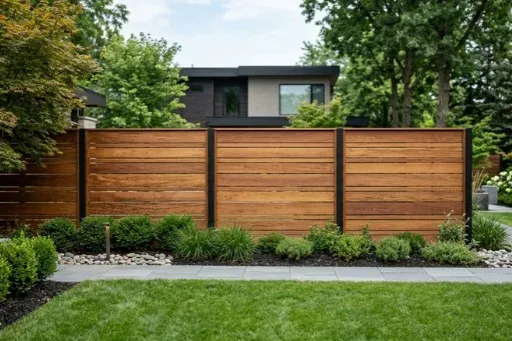
Replacing a damaged section of a fence can seem straightforward until the new components fail to fit the existing structure. In Denver, where older yards, updated landscaping, and changing outdoor layouts can create different repair needs, checking compatibility before purchasing materials can save time and prevent unnecessary expense. Vinyl fencing is built from connected components, and the dimensions, connection profiles, rail openings, and post designs can vary between product lines. Before planning repairs or an extension, consult Top Rail Fence Denver about the existing fence system and the details that need to match. A careful assessment helps you decide whether replacement parts are suitable or whether a more extensive repair is the practical option.
Identify the fence system before ordering components
The first challenge is determining exactly what is already installed. Vinyl fences can look similar from the street while using different construction methods behind the panels. A replacement board or rail that appears correct in a product photograph may not connect securely to the existing assembly.
Record the dimensions of the original sections
Measure the width and height of the panels, the distance between posts, and the dimensions of the rails and pickets. For a damaged section, record the measurements of the intact parts nearby rather than relying only on the broken component, which may have warped or cracked.
Take note of the post shape, rail openings, and how each panel is secured. Some systems use routed posts that receive rails directly, while others depend on brackets or specific connectors. These details matter when sourcing vinyl fencing parts because even a small difference in profile can prevent a replacement from sitting correctly.
Photographs from several angles can supplement your measurements. Capture the top and bottom rail connections, the inside of the posts where visible, and any labels or identifying marks on the original materials.
Look for manufacturer and product-line information
If installation paperwork, invoices, leftover materials, or warranty documents are available, review them before shopping. Packaging labels and manufacturer information may identify the product series or model. This information can help narrow the search to compatible components.
When documentation is missing, avoid assuming that a similar color or panel shape indicates a match. Bring clear photographs and measurements to a fencing professional or supplier and ask whether the proposed parts are designed for the existing system.
Compare the connection points, not just the appearance
A replacement component needs to function as part of the entire fence. Matching the visible finish is useful, but the connection geometry often determines whether the repair will work.
Check rail profiles and panel engagement
Examine how the horizontal rails meet the posts and hold the panel in place. Rail ends may differ in width, thickness, shape, or locking design. If a new rail does not engage correctly, the section could remain loose or require modifications that weaken the intended assembly.
The same concern applies to pickets and infill panels. Their dimensions must work with the rail openings and spacing of the existing fence. During vinyl fence installation, components are fitted according to the particular system's design, so forcing an incompatible replacement into place is not a dependable substitute for confirming the fit.
Vinyl fence components also need room to respond to temperature changes, so compatibility involves more than matching dimensions. American Vinyl Works explains in its vinyl fence installation guide that rail clearance and picket fit help accommodate expansion and contraction and reduce the risk of bowing. Use the original system's installation instructions to verify the required clearances before choosing replacement parts, rather than forcing a component that appears to fit.
Confirm post dimensions and internal supports
Posts are more than vertical covers around the fence line. Their routed openings, internal reinforcement, caps, and attachment points may affect how the entire section is supported. A post that looks identical externally may have a different opening or internal configuration.
Before ordering, check whether the proposed component is intended for the same post and rail arrangement. If a post has cracked near a rail opening or appears unstable at ground level, determine whether the damage extends beyond the visible surface. Replacing only the easiest-to-reach part may leave the underlying problem unresolved.
Plan for color and finish differences
Even when the measurements line up, a replacement can stand out against the original fence. Exposure to sunlight, accumulated dirt, and years of weather can change how existing vinyl looks, making a newly purchased section noticeably different.
Compare color under natural light
Check the replacement sample beside the installed fence in daylight. A color that looks close in a showroom or online image may appear different outdoors. Inspect it at several times of day if appearance is important, particularly when the repair will be visible from the street or patio.
White and neutral finishes are common, but they are not necessarily identical across manufacturers or product generations. Confirm the exact color name and product series whenever possible. For older vinyl fencing, the original finish may no longer be available, so ask about the closest compatible option before purchasing a complete set of parts.
Decide whether a partial repair will look consistent
If the damaged area is small, replacing one component may preserve most of the existing fence. However, several mismatched rails or panels can make the repair more noticeable than expected. Compare the cost and appearance of a targeted repair with replacing a full panel or an entire connected section.
The right choice depends on the condition of the surrounding materials, how visible the fence is, and whether the available components fit the original system. Avoid buying a large quantity before checking a sample or confirming compatibility.
Account for Denver's weather and ground conditions
A replacement part must fit the existing fence and suit the conditions where it will be installed. Denver experiences seasonal temperature changes, and outdoor vinyl components can expand and contract as temperatures fluctuate. Installation details and manufacturer guidance therefore matter when repairing an established fence.
Check for movement, cracking, and brittle components
Inspect nearby rails, pickets, and posts for hairline cracks, loose connections, or sections that have become brittle. Damage may extend beyond the component that first attracted attention, particularly after an impact or a period of severe weather.
If multiple pieces show similar deterioration, replacing a single part may offer only a temporary solution. A broader inspection can help determine whether the existing structure remains suitable for a localized repair or whether a larger replacement should be considered.
Evaluate the posts before reusing the original structure
A new panel cannot correct a leaning post or a weakened foundation. Look for movement at the base, changes in alignment, and gaps that suggest the post is no longer firmly supported. Check whether nearby ground has settled or whether water collects around the fence line.
Where the damage involves several posts or uneven sections, a professional assessment can help establish the extent of the work required. This is particularly important for residential fence installation projects that connect new sections to an older fence. The existing structure needs to provide suitable support for the replacement components.
Match the repair approach to the available materials
Once the system has been identified and the condition of the fence assessed, compare your repair options. You may be able to replace one rail, install a compatible panel, or rebuild a section where the original parts are no longer available.
Ask about complete replacement kits
Some manufacturers or suppliers offer coordinated components designed to work together. A kit may simplify sourcing rails, posts, caps, and panel pieces that share the same specifications. Before purchasing, confirm that the kit is compatible with your fence's dimensions and connection style rather than assuming it will fit every vinyl system.
For help evaluating vinyl fencing options, Top Rail Fence Denver can help you consider the existing layout, the condition of the fence, and the practical requirements of a repair or replacement. This is useful when an older product line is discontinued or when several sections need attention.
Compare repair costs with the value of a larger update
The lowest initial price is not always the least expensive long-term option. A cheap component that does not fit may require extra labor, additional connectors, or another purchase. By contrast, replacing a complete section can sometimes provide a more consistent appearance and reduce the number of uncertain connections.
Request a clear breakdown of materials and labor before deciding. If a repair requires cutting or modifying parts, ask whether the proposed method follows the manufacturer's installation guidance and preserves the intended structural performance.
Make compatibility part of the purchasing decision
Successful vinyl fence installation starts before materials arrive at the property. Accurate measurements, product identification, connection checks, and an honest assessment of the existing structure can prevent avoidable fitting problems. Keep photographs, dimensions, invoices, and product details together so future repairs are easier to plan.
For homeowners considering vinyl fencing repairs or upgrades in Denver, Top Rail Fence Denver can help assess the project and discuss options for a compatible result. Before placing an order, confirm the specifications with the supplier, ask about discontinued components, and make sure the planned work suits the condition of the existing fence. To discuss your fence installation or replacement needs, contact the team. A little preparation can help you avoid mismatched parts and make a more informed decision about maintaining or updating your fence.