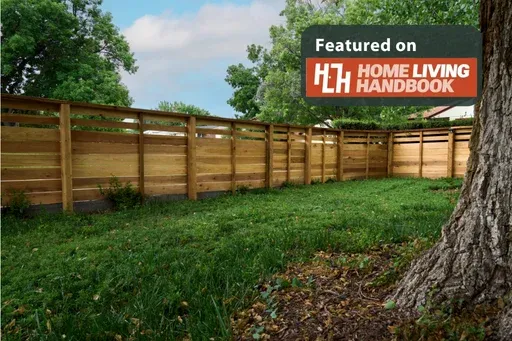
Mature trees add shade, beauty, and long-term value to outdoor spaces, but they can also make planning a fencing project more complex. Rather than removing established trees or forcing a straight fence line, thoughtful design allows both features to work together. A well-planned wood fence can highlight natural elements while creating privacy, defining property lines, and improving usability throughout the yard. Property owners exploring the Top Rail Fence Denver can discover customized solutions that fit the unique character of their landscape.
Every property is different, especially across Denver, where mature pines, cottonwoods, aspens, and maples are common. Top Rail Fence Denver understands that successful wood fence installation involves more than measuring property lines. It requires designing around existing trees so the landscape remains healthy while the fence provides lasting performance.
Why mature trees deserve a place in the fencing plan
Large trees create focal points that many homeowners spend years cultivating. Instead of viewing them as obstacles, they can become valuable design features within a fencing project.
Preserving natural beauty while improving functionality
A carefully positioned wood fence frames mature trees instead of hiding them. Curved fence lines, gentle offsets, or customized panel layouts can create an attractive transition around trunks while maintaining a cohesive appearance.
Keeping trees within the overall layout also preserves shade, which helps create cooler outdoor gathering spaces during Denver's warmer months.
Protecting valuable root systems
One of the biggest considerations during wood fence installation is avoiding unnecessary damage to tree roots. Large structural roots often extend well beyond the visible canopy.
Professional installers evaluate post locations carefully to reduce disturbance below ground. Adjusting post spacing or modifying fence alignment allows the installation to protect both the tree and the finished fence.
Creating custom layouts for uneven landscapes
Many yards containing mature trees also include slopes, elevation changes, or irregular property boundaries. Custom planning helps every element work together.
Flexible fence lines improve overall design
A straight fence is not always the best solution. Slight adjustments in direction can accommodate tree placement without sacrificing privacy or security.
This customized approach often creates a more natural appearance compared to forcing rigid lines across an existing landscape.
Blending fencing with existing outdoor features
Retaining walls, patios, garden beds, and walking paths frequently surround mature trees. Coordinating these elements during fence installation creates a finished landscape that feels intentional rather than pieced together.
Property owners interested in different wood fence options can compare styles that complement both modern and traditional outdoor designs.
Selecting materials that complement established landscapes
The right materials help fencing enhance the property's overall appearance while standing up to changing weather conditions.
Natural wood creates visual harmony
Wood naturally complements mature trees because both share organic textures and colors. Cedar remains a popular option due to its durability, attractive grain, and ability to blend into landscaped environments.
Different stains and finishes allow homeowners to customize the appearance while preserving the natural character of the material.
Choosing the right height and spacing
Not every section of fencing requires complete visual separation. Depending on the property's layout, varying fence heights or board spacing can improve sightlines while maintaining privacy.
Certain privacy fence styles work especially well around tree-filled landscapes by balancing enclosure with openness.
Planning for tree growth over time
Trees continue changing long after a fence is installed. Designing with future growth in mind helps prevent avoidable maintenance issues.
Allowing space around expanding trunks
Young and mature trees alike increase in diameter over time. Leaving appropriate clearance helps prevent future contact between the fence and the tree.
This forward-thinking approach reduces the likelihood of structural pressure that may affect fencing alignment years later.
Reducing maintenance concerns
Branches, leaves, and seasonal debris naturally collect near fences positioned around mature trees. Proper spacing makes cleaning easier while allowing adequate airflow throughout the fence line.
According to the U.S. Forest Service, protecting tree roots and minimizing soil disturbance during nearby construction supports long-term tree health and stability.
Designing outdoor spaces around existing shade
Large trees naturally create gathering areas that become even more inviting when paired with thoughtful fencing.
Defining comfortable seating areas
A wood fence can separate dining spaces, fire pit areas, or children's play zones without disrupting the landscape's natural flow.
Using fencing to organize outdoor living areas creates more functional spaces while maintaining an open feeling throughout the yard.
Creating attractive garden borders
Trees often anchor flower beds, native plants, or decorative landscaping. Custom fence layouts can frame these features while providing clear boundaries between recreational and planted areas.
The result is a landscape that feels balanced instead of overcrowded.
Why professional planning makes a difference
Working around mature trees requires careful measurements, site evaluation, and customized installation methods.
Experienced installers assess soil conditions, root locations, property elevations, and long-term growth patterns before construction begins. Every adjustment contributes to a finished wood fence installation that protects the landscape while delivering lasting value.
Choosing an experienced fence installation team also reduces unnecessary modifications after construction, helping homeowners enjoy both their trees and their new fence for years to come.
Throughout the process, Top Rail Fence Denver focuses on creating fencing solutions that respect the property's natural features instead of working against them.
Bringing trees and fencing together with thoughtful design
Mature trees give Denver properties a character that cannot be replicated. Incorporating them into a custom wood fence design creates outdoor spaces that feel welcoming, functional, and connected to the surrounding landscape. By protecting root systems, adapting layouts, selecting appropriate materials, and planning for future growth, homeowners can achieve beautiful results without sacrificing the landscape they already enjoy.
Whether your yard includes one large shade tree or an entire tree-lined property, Top Rail Fence Denver can design a fencing solution that complements every feature. Visit the Contact Us page to discuss your upcoming wood fence installation project and discover customized fencing solutions designed specifically for your landscape.