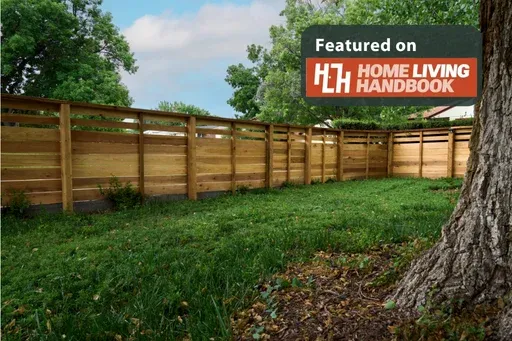
When homeowners think about landscaping, fencing is often viewed as one of the final additions to a property. In Denver, however, that mindset is beginning to change. More property owners are starting their outdoor improvement plans with a wood fence, using it as the structural foundation that influences everything that comes afterward. This shift is one reason many homeowners begin exploring solutions through Top Rail Fence Denver before investing in patios, gardens, outdoor kitchens, or landscape upgrades.
Rather than serving only as a property boundary, a wood fence is increasingly being treated as a framework that helps organize future outdoor projects. Through thoughtful wood fence installation, strategic privacy fence placement, and well-planned fence construction, homeowners can establish a blueprint that supports long-term landscape growth and functionality.
Landscape projects work better with a defined starting point
Many outdoor renovations fail to reach their full potential because they are completed in disconnected phases. A patio is added one year, garden beds the next, and seating areas several years later. Without a guiding structure, the final result can feel fragmented.
Establishing a visual foundation
A wood fence creates an immediate sense of organization. It provides clear edges that help define where landscaping features will live and how they will interact with one another.
Instead of designing individual elements independently, homeowners can use fencing as a reference point for future additions. This creates a stronger visual relationship between landscaping features and the overall property layout.
Supporting long-term planning
One benefit of early wood fence installation is that it allows future projects to be designed around permanent boundaries. This reduces the likelihood of redesigns later and helps ensure outdoor investments work together cohesively.
Wood fencing helps shape outdoor movement
Landscaping is not only about appearance. It is also about how people experience and move through a property.
Creating natural pathways
A strategically positioned wood fence can guide movement throughout an outdoor space without requiring obvious barriers. Fencing helps establish transitions between different areas, encouraging a natural flow from one destination to another.
For example, a homeowner may use fencing to subtly direct visitors toward a patio while separating utility areas from entertainment spaces.
Defining destination areas
Modern landscape projects often include multiple activity zones. Outdoor dining areas, fire pit seating, gardens, and play spaces all benefit from clear definition.
A privacy fence can help distinguish these areas while maintaining a unified appearance across the property. Rather than creating isolated sections, fencing creates a structure that makes each space feel intentional.
Future landscaping becomes easier when fencing comes first
Many homeowners view fencing and landscaping as separate projects. In reality, the two are closely connected.
Simplifying garden planning
A wood fence often serves as a backdrop for landscaping features. Garden beds, decorative shrubs, climbing plants, and seasonal flowers can all be arranged more effectively when permanent boundaries are already established.
This allows homeowners to focus on plant placement, spacing, and visual balance without worrying about future structural changes.
Supporting outdoor feature placement
Features such as pergolas, water elements, and seating areas benefit from the surrounding structure. Through careful fence construction, homeowners can create a framework that helps determine the ideal locations for these additions.
This planning-first approach often results in outdoor spaces that feel more organized and professionally designed.
Privacy fencing plays a role beyond seclusion
Many people associate a privacy fence exclusively with blocking views. In reality, privacy fencing contributes to much more than visual separation.
Creating outdoor comfort zones
Certain outdoor activities benefit from a greater sense of enclosure. Reading areas, hot tubs, outdoor dining spaces, and relaxation zones often feel more comfortable when partially screened from surrounding properties.
A strategically placed privacy fence creates these environments while still allowing the larger landscape to remain connected and cohesive.
Enhancing the usability of outdoor investments
Homeowners are more likely to use outdoor features when they feel comfortable within the space. A thoughtfully positioned privacy fence can make patios, seating areas, and entertainment spaces more inviting throughout the year.
This increases the value homeowners receive from their broader landscaping investments.
Fence construction influences landscape flexibility
Outdoor spaces rarely remain the same forever. Families grow, interests change, and new projects emerge over time.
Building for future adaptability
A well-planned fence construction project provides flexibility for future landscape modifications. Homeowners can add pathways, gardens, or outdoor structures without disrupting the overall organization of the property.
Because the foundational layout is already established, future upgrades tend to integrate more naturally into the existing environment.
Accommodating evolving property goals
Some homeowners begin with simple landscaping plans and gradually expand their outdoor spaces over several years. Others may anticipate major renovations in the future.
A durable wood fence supports both approaches by providing a consistent structure regardless of how the property evolves.
Homeowners considering broader outdoor improvements often work with professional fence installation services to ensure fencing aligns with long-term landscape objectives.
Denver properties benefit from structured outdoor planning
The variety of residential properties across Denver creates unique opportunities for customized landscape design.
Responding to diverse property layouts
Some properties feature large backyards with room for extensive landscaping. Others require creative planning to maximize smaller spaces.
A wood fence provides the structure necessary to organize these different layouts effectively. Whether the goal is creating privacy, defining activity zones, or supporting future projects, fencing helps establish order from the beginning.
Balancing aesthetics and functionality
Successful landscaping requires both beauty and practicality. Fencing contributes to both by creating visual consistency while helping homeowners manage how outdoor spaces function.
According to the American Society of Landscape Architects, thoughtful site design plays a significant role in creating functional, sustainable, and visually cohesive outdoor environments.
A wood fence can be the first step toward a larger vision
The most effective landscape projects are rarely built all at once. They develop gradually through thoughtful planning and strategic investments.
By starting with a wood fence, homeowners create a framework that guides future decisions and supports long-term outdoor goals. Whether through professional wood fence installation, carefully positioned privacy fence sections, or customized fence construction, fencing becomes more than a boundary. It becomes the structure around which the entire landscape evolves.
Homeowners working with Top Rail Fence Denver increasingly view fencing as an essential part of landscape planning rather than a finishing touch. The result is an outdoor environment that feels organized, adaptable, and prepared for future improvements.
If you are considering a new wood fence as part of a larger outdoor vision, visit the Contact Us page to connect with Top Rail Fence Denver and begin building a framework that supports your future landscape projects.