Homeowners investing in wood fencing across Fort Collins often focus on privacy, durability, and curb appeal. However, sunlight exposure throughout the day also plays a major role in how a fence looks and performs over time. Morning light, afternoon intensity, and evening shadows can all change the appearance of wood grain, stain color, and overall texture.
As sunlight shifts across residential properties, different fencing layouts respond in unique ways depending on board orientation, stain selection, and installation placement. Homeowners working with Top Rail Fence Fort Collins often discover that choosing the right wood fencing style is not only about structure but also about how the fence interacts with natural light throughout the seasons.
Why sunlight exposure matters for wood fencing
Natural lighting conditions influence the visual appearance of outdoor structures more than many homeowners initially expect.
Morning light creates softer wood tones
In the early hours of the day, sunlight tends to enhance warmer tones within natural wood materials. Cedar and other wood species often appear lighter and more golden during morning exposure. This effect can make certain fence styles feel brighter and more inviting from the street view.
Many homeowners selecting a residential fence appreciate how softer sunlight highlights natural grain patterns without overwhelming the overall appearance of the property.
Afternoon exposure increases visual contrast
As the sun rises higher, direct light becomes more intense. Dark stains and textured boards often appear richer during midday hours, while lighter finishes may reflect more brightness across the yard.
This is one reason many wood fence installation projects in Fort Collins involve discussions about stain colors, fence orientation, and surrounding landscaping before construction begins.
How fence orientation changes visual impact
Fence placement can dramatically affect how sunlight interacts with the material throughout the day.
South-facing fences receive stronger UV exposure
Fences positioned toward southern sunlight generally experience more consistent direct exposure. Over time, these sections may fade more quickly compared to shaded areas.
Proper planning during fence construction helps reduce uneven weathering and keeps the appearance more balanced across the property.
The east and west sides shift throughout the day
East-facing fencing often receives gentle morning light, while west-facing sections absorb stronger afternoon exposure. This changing light pattern can create noticeable visual differences between different sides of the same fence.
Homeowners exploring wood fencing options frequently compare how various finishes react under different lighting conditions before selecting a final design.
The role of wood texture in changing sunlight
Different wood textures respond to sunlight in unique ways.
Smooth boards reflect more direct light
Smooth-finished fencing creates a cleaner and more polished appearance during daylight hours. Sunlight tends to reflect evenly across flat surfaces, which helps modern fence styles maintain a refined look.
This style is commonly chosen for contemporary homes seeking a clean outdoor design.
Natural grain creates depth and variation
Rougher textures and visible grain patterns produce more shadow contrast throughout the day. As sunlight moves across the fence, the surface can appear more dynamic and dimensional.
Many homeowners prefer this natural variation because it gives wood fencing a more organic appearance that complements outdoor landscapes in Fort Collins.
According to the U.S. Forest Service research database, wood materials naturally respond to environmental exposure over time, including sunlight and moisture conditions.
How stain colors react to changing daylight
Color selection plays a major role in how fences appear throughout the day.
Lighter stains brighten outdoor spaces
Honey, tan, and natural cedar stains reflect sunlight more efficiently. During peak daylight hours, these colors can make smaller yards feel more open and spacious.
Lighter finishes are commonly selected for properties with limited natural light or dense landscaping.
Darker finishes create a stronger definition
Deep brown and charcoal stains absorb more sunlight, producing stronger contrast against lawns and exterior siding. These finishes often appear especially bold during afternoon sunlight.
Homeowners working with Top Rail Fence Fort Collins frequently evaluate stain samples during different times of day to better understand how lighting changes the final appearance.
Seasonal sunlight patterns affect long-term appearance
Lighting conditions in Fort Collins shift significantly throughout the year.
Summer sunlight increases exposure intensity
Longer daylight hours during summer place more UV exposure on outdoor fencing materials. This can gradually influence color consistency over time, particularly on sections with direct afternoon sun.
Professional wood fence installation planning often considers seasonal exposure to help homeowners choose materials that perform well year-round.
Winter light creates a softer visual contrast
During colder months, lower sun angles create gentler shadows across fencing surfaces. Snow reflection can also brighten certain areas of the property and alter how stains appear visually.
These changing seasonal conditions are one reason many homeowners view wood fencing as a dynamic design feature rather than a static structure.
Fence style selection influences sunlight interaction
Not all fence styles respond to sunlight in the same way.
Horizontal layouts create broader light reflection
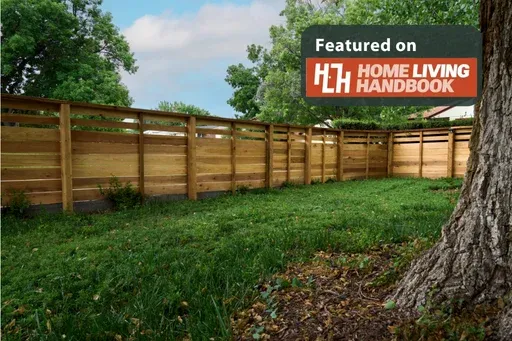
Horizontal fencing designs often reflect sunlight across wider surfaces. This creates a modern appearance that changes gradually throughout the day as shadows shift horizontally.
These layouts remain popular for homeowners seeking a sleek outdoor aesthetic.
Vertical panels emphasize height and shadows
Vertical fencing produces more pronounced shadow lines during morning and evening sunlight. This effect can make fences appear taller and more structured from certain viewing angles.
Different design choices during fence construction can therefore shape both function and visual character across the property.
Landscaping also affects fence appearance
Trees, shrubs, and surrounding structures all influence how sunlight reaches fencing materials.
Partial shade creates varied aging patterns
Areas blocked by trees or buildings may age differently compared to sections receiving full sun exposure. This can lead to subtle variations in tone and texture over time.
Homeowners often work with Top Rail Fence Fort Collins to plan layouts that maintain a more consistent appearance across the entire fence line.
Open yards experience more direct exposure
Properties with fewer shade structures generally expose fencing to stronger sunlight throughout the day. In these environments, stain protection and proper material selection become increasingly important for long-term performance.
Choosing wood fencing that complements natural light
Every property in Fort Collins experiences sunlight differently depending on layout, elevation, and surrounding landscaping. Understanding how fences respond to changing light conditions helps homeowners select designs that maintain a strong visual appeal throughout the day and across every season.
Whether choosing natural cedar tones, darker modern finishes, or textured wood surfaces, thoughtful planning allows wood fencing to become an integrated part of the outdoor environment rather than simply a boundary line.
If you are planning a wood fence installation and want guidance on materials, fence orientation, and long-term performance, visit the Contact Us page to connect with Top Rail Fence Fort Collins and explore fencing solutions designed for the unique sunlight conditions found throughout Fort Collins.