It is one of the most common questions I get from Fort Worth homeowners. They want to know if what they are seeing on their fence is normal wear or a sign that something bigger is coming. The honest answer depends on the material, the installation, and what North Texas puts it through every single year. Here are the real numbers.
How long each fence material lasts in Fort Worth
Wood fences: 15 to 20 years
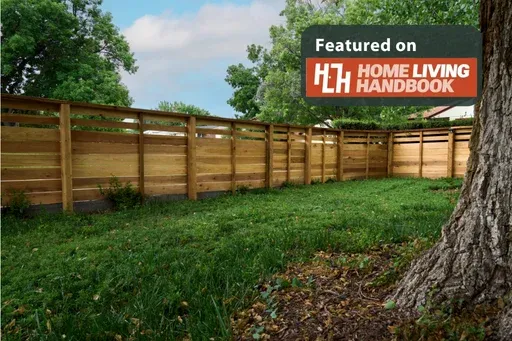
Cedar is the most common wood fence material in Fort Worth and for good reason. It naturally resists rot and insects better than pine. A professionally installed Western Red Cedar fence in Fort Worth typically lasts 15 to 20 years with proper maintenance. With consistent sealing or staining every two to three years that can stretch further. Without it, heat, UV exposure, and Fort Worth's hail seasons can shorten that lifespan considerably. Pine fences tend to fall on the shorter end of the range and require more upkeep to get there.
Vinyl fences: 20 to 30 years
A quality vinyl fence in Fort Worth should last 20 to 30 years. The key is quality. Low grade vinyl without UV inhibitors can start fading, warping, and cracking within five to ten years under direct Texas sun. High quality vinyl with built-in UV protection maintains its structure and color significantly longer. It does not rot, does not need staining, and does not attract termites. It is one of the lowest maintenance options available in this climate.
Chain link fences: 20 to 50 years
Chain link is one of the most durable fencing options in North Texas. A properly installed galvanized chain link fence can last 20 to 50 years in Texas weather. Vinyl-coated chain link holds up even better against Fort Worth heat and humidity. Rust is the main enemy so keeping the coating intact is the most important maintenance step for long term performance.
Wrought iron fences: 50 to 100 years
This is where the numbers get impressive. A wrought iron fence with a quality powder coat finish can last 50 to 100 years in Fort Worth's climate. The powder coat typically holds strong for 15 to 20 years before needing a touch-up. The upfront cost is higher than wood or vinyl but when you factor in that a wood fence needs replacing every 15 to 20 years, wrought iron is often the better long-term investment. The main threat is rust on uncoated or poorly maintained surfaces so keeping that protective finish intact is critical.
Aluminum fences: 30 to 50 years
Aluminum is a smart lower-maintenance alternative to wrought iron. It does not rust, handles the Texas climate well, and a high quality powder-coated aluminum fence can last 30 to 50 years or more. It is an excellent option for homeowners who want the look of ornamental iron without the rust risk or the maintenance commitment.
What shortens a fence lifespan in Fort Worth
Fort Worth clay soil
The expansive clay soil throughout Fort Worth constantly swells and contracts with moisture changes. That movement puts ongoing pressure on fence posts year after year. A fence installed without accounting for soil conditions will fail much earlier than one that was built with it in mind.
Fort Worth weather
Fort Worth averages six to eight hailstorms a year. Add intense UV exposure, high summer temperatures, heavy spring storms, and the occasional winter ice event and you have a climate that tests every fence material consistently. Every weather cycle adds up over time.
Skipping maintenance
This is the most controllable factor and the one most homeowners underestimate. Sealing wood fences on schedule, maintaining coatings on metal, keeping sprinklers from hitting the fence directly, and clearing vegetation away from the fence line all add years to any fence that would otherwise fail prematurely.
Signs it is time to replace
- More than a third of the fence is showing structural damage
- Posts are soft, rotting, or visibly compromised at the base
- Panels keep warping or pulling away after repeated repairs
- The fence is at or past its expected lifespan and problems keep coming back
Fence lifespan FAQs
Does a new fence add value to my home? Yes. A well-maintained fence improves curb appeal and is a selling point for buyers with children or pets. Research shows fenced homes in Fort Worth sell faster and can return 50 to 70 percent of installation cost at resale.
How do I make my wood fence last longer in Fort Worth? Seal or stain it every two to three years, keep sprinklers from hitting it directly, trim vegetation growing against it, and address rot or loose hardware as soon as you spot it.
Is it better to repair or replace an aging fence? Isolated damage is worth repairing. Widespread structural issues almost always make replacement the smarter long-term investment. If your fence is approaching the end of its expected lifespan and problems keep recurring, replacement is usually more cost effective than continued repairs.
If your fence is showing its age do not wait for it to fail completely. Request a Free Estimate with Top Rail Fence Fort Worth today and let's talk about what makes sense for your property.