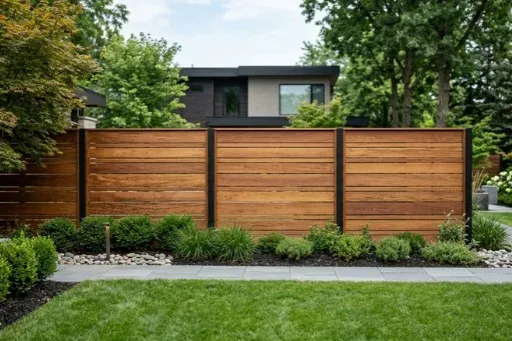
A property makeover feels more complete when the boundary, landscaping, outdoor living areas, and exterior architecture work together. A well-planned fence installation can help establish that connection by defining the edges of a property while complementing its overall appearance. In Media, the fence should be considered alongside the home's exterior, driveway, planting scheme, and outdoor spaces rather than treated as a separate finishing task. Top Rail Fence Media can help coordinate the planning process through its Media fencing location page, making it easier to consider practical requirements and design preferences before construction begins.
Establish a design direction before choosing a fence
The fence influences how a property is viewed from the street and experienced from inside the yard. Its height, material, spacing, and color can either reinforce the existing exterior or compete with it. Starting with a clear design direction helps ensure that fence installation supports the wider makeover instead of introducing an unrelated visual element.
Connect the boundary to the home's architecture
A traditional home may look best with a fence that uses familiar proportions and understated details, while a contemporary property may benefit from clean lines and minimal ornamentation. The goal is not to copy every architectural feature but to select a fence that feels appropriate beside the building.
Consider the home's exterior color, window frames, entryway, roofline, and existing trim. A fence that complements these elements can create a more cohesive appearance, even when its material differs from the home's primary exterior finish.
Decide what the fence should accomplish
Before selecting a style, identify the main purpose of the boundary. A fence might provide privacy, establish a secure area for pets, improve curb appeal, define a garden, or separate a driveway from the backyard.
These objectives affect the height, visibility, gate placement, and material selection. For example, a property that prioritizes privacy may need solid panels, while a front boundary intended to frame landscaping may benefit from a more open design.
Defining these priorities early helps narrow the choices and prevents the makeover from becoming a collection of features that do not work well together.
Use material and proportions to create visual consistency
A coordinated exterior does not require every component to match exactly. Instead, the fence should contribute to a consistent visual rhythm through its proportions, finish, and relationship with nearby structures.
Balance privacy with openness
Solid panels create a defined boundary and can shield outdoor seating areas from direct views. Open picket and ornamental styles allow more of the landscape to remain visible and can make a front yard feel welcoming.
The right balance depends on the property's layout. A homeowner might use a more private design around a backyard patio while choosing a lower, more open style near the front entrance. Where different fence styles are used, a consistent color palette or complementary post details can help the sections feel connected.
Match the scale of the fence to the property
A tall, visually heavy fence may overwhelm a small front yard, while a low decorative fence may not provide enough screening around an outdoor living area. The surrounding buildings, yard dimensions, and intended function should all influence the proportions.
Posts, rails, panel widths, and decorative caps also contribute to the overall scale. During fence installation, these components should be arranged consistently so the finished boundary looks intentional from several viewpoints.
When comparing the best fence designs, consider how each option will look both up close and from the street. A style that appears attractive in a product photograph may create a very different effect when installed beside a particular home or landscape.
Plan the landscape and fence as one composition
The relationship between the fence and the surrounding yard can make a major difference to the finished makeover. A boundary should accommodate planting beds, walking routes, outdoor furniture, and other features instead of forcing them into awkward positions.
Preserve the role of established plants
Mature trees, shrubs, and garden beds can be important parts of a property's character. Before finalizing the fence line, assess how the proposed installation may affect these features and whether maintenance access will remain practical.
Tree roots may influence where posts can be placed, while branches and future plant growth may affect the fence's appearance over time. A thoughtful layout considers these conditions before digging begins.
Create a natural transition between outdoor areas
A fence can help distinguish a patio from a lawn, establish a boundary around a vegetable garden, or separate a recreational area from a service path. Its position should support how people move through the yard.
For instance, a gate aligned with an existing walkway can make access feel natural, while a gate positioned without considering the path may create an inconvenient route. Coordinating these features during fence installation helps the boundary function as part of the landscape rather than an obstacle within it.
Keep drainage and ground conditions in the plan
The ground along a property boundary may slope, collect water, or change elevation near a driveway. These details affect post placement, panel alignment, and the space between the fence and the ground.
A site assessment should identify drainage patterns and uneven terrain before installation begins. Fence sections can then be planned to suit the conditions while maintaining a consistent appearance. This is particularly important when the makeover includes new landscaping, paving, or changes to the grade.
Choose construction details that support durability
An attractive design must also be practical. Material quality, appropriate support, and careful assembly all contribute to a durable fence that continues to serve its intended purpose.
Select materials for their maintenance needs
Wood offers a natural appearance and can be adapted to different styles, but it typically requires periodic inspection and maintenance to manage weather exposure. Vinyl provides a clean finish and generally requires less routine upkeep than wood. Metal fencing can suit properties that need an open appearance with a defined perimeter.
Each material has different strengths, costs, and maintenance requirements. The best choice depends on the desired appearance, budget, exposure to the elements, and willingness to maintain the fence over time.
Give posts, connections, and gates equal attention
The visible panels are only one part of the structure. Posts must be appropriately positioned and supported, connections must follow the manufacturer's instructions, and gates need sufficient clearance to operate properly.
Uneven posts or poorly fitted connections can undermine the appearance of even an expensive fence. A professional fence company should consider these construction details during planning, explain the selected installation approach, and check alignment as the work progresses.
Review local requirements before construction
Fence height, placement, permits, and visibility near driveways or intersections may be subject to local rules. Property boundaries, easements, and neighborhood restrictions can also affect the proposed layout.
The Pennsylvania One Call System provides information about requesting utility line marking before excavation in Pennsylvania. Arranging the appropriate utility-location service before digging helps reduce the risk of damaging buried infrastructure during fence installation.
Checking applicable local requirements and site conditions early can also help avoid changes after materials have been ordered or construction has started.
Bring the makeover together with a deliberate finishing plan
The final details determine whether the fence feels integrated with the rest of the property. Consistent alignment, carefully positioned gates, clean transitions, and a tidy work area all contribute to a more polished result.
Inspect the fence from the street and the yard
A useful final review considers the fence from multiple perspectives. From the street, check whether its height and style complement the home's exterior. From inside the property, assess privacy, access, landscaping clearance, and how the fence relates to outdoor living areas.
The inspection should also cover loose components, gate operation, panel alignment, and the condition of the surrounding ground. Any necessary adjustments are easier to address before the project is considered complete.
Think beyond the installation date
A property makeover should continue to look cohesive as plants mature and outdoor spaces evolve. Leave appropriate access for maintenance, choose materials suited to the site's conditions, and follow the recommended care instructions for the selected fence system.
Top Rail Fence Media can help homeowners consider how design preferences and practical installation requirements fit together, allowing the fence to support the property's overall plan rather than stand apart from it.
Make the property boundary part of the finished design
The strongest exterior makeovers treat the fence as an architectural and functional feature from the beginning. Material selection, proportions, landscaping, drainage, and access should all contribute to one coordinated plan. With thoughtful fence installation, the boundary can improve privacy, define outdoor areas, and reinforce the character of the home. Choosing among the best fence designs also becomes easier when appearance is balanced with maintenance and long-term performance. For help planning a durable fence that complements your property in Media, connect with Top Rail Fence Media through Contact Us to discuss your project and explore the next steps.