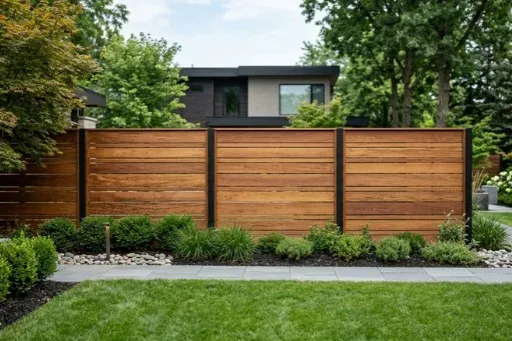
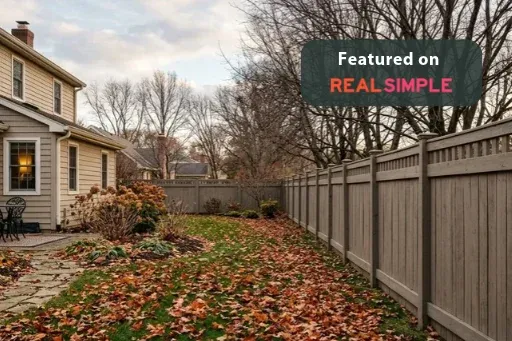
Not every part of a property gets the same attention as the front entrance, patio, or main garden. Narrow side passages, unused corners, equipment areas, and awkward transitions between the driveway and backyard can remain underused because their purpose is unclear. Thoughtful fence installation can help turn these spaces into organized, functional parts of the property. In Media, PA, a well-planned boundary can guide movement, define activity areas, and improve the relationship between outdoor features. Top Rail Fence Media can help homeowners plan these improvements through its Media fencing location page, with the layout shaped around the property's needs rather than simply following its perimeter.
Give awkward corners a defined role
Corners can become neglected when they sit outside the main flow of a yard. A fence can help establish a clear purpose for these areas, whether that means creating a small storage zone, separating garden supplies, or defining a quiet spot away from regular activity.
Turn unused edges into practical storage areas
Garden tools, bins, hoses, and seasonal equipment can make an outdoor space look cluttered when they have no designated location. A carefully positioned fence can screen these items from prominent views while preserving access for everyday use.
The layout should account for the dimensions of the equipment and enough room to move items in and out comfortably. A gate placed in a convenient position can make the area functional without forcing people to walk through a busy part of the yard.
A successful fence installation in this setting balances screening with accessibility. The aim is not to hide an area so completely that it becomes difficult to maintain, but to make its purpose clear and its use more convenient.
Create a small destination within a larger yard
An overlooked corner may also work as a reading nook, a compact seating area, or a sheltered place for container plants. A partial fence can help distinguish the space from the rest of the lawn without making it feel completely disconnected.
Height and material influence how enclosed the area feels. Open fencing can preserve views and airflow, while a more solid design can provide greater separation. The best choice depends on the amount of privacy desired and how the space connects to nearby activities.
Make narrow side passages easier to use
Side yards often carry practical responsibilities without receiving much design attention. They may connect the front and back of a property, provide access to outdoor equipment, or serve as a route for maintenance. A well-positioned fence can make these passages feel more deliberate and easier to navigate.
Separate walking routes from working areas
Where a side passage doubles as a storage or gardening area, the route can become obstructed by tools, pots, or supplies. A fence can help distinguish the clear walking path from the space used for other activities.
Before fence installation, measure the passage and consider how gates will open. A design that leaves too little clearance can make an already narrow route uncomfortable to use. The layout should also preserve access to utility equipment and other features that need periodic attention.
Improve the transition between front and back yards
A side passage can serve as a secondary entrance to the backyard. A strategically placed gate gives this route a clear endpoint and helps separate public-facing areas from more private outdoor spaces.
Gate placement should reflect the way people naturally move around the property. Aligning the opening with an existing walkway can reduce awkward turns, while consistent fence lines can make the passage look organized from both ends.
Use boundaries to organize changing activities
Some yards accommodate several functions in a limited area. Children may need room to play, adults may want space for entertaining, and gardeners may need convenient access to planting beds. Rather than allowing these activities to overlap, fencing can help establish distinct zones.
Give recreational areas a clearer footprint
A designated play area can make a backyard easier to organize by establishing where recreational equipment belongs. Depending on the property and intended use, fencing may help separate the area from driveways, garden beds, or other outdoor features.
The design should preserve suitable visibility and access. Where child safety is a concern, the fence and gate must be appropriate for the specific use, with additional safety measures considered when necessary. A fence alone does not replace supervision or other precautions.
Keep entertaining spaces separate from service zones
Outdoor dining areas often look more inviting when storage, bins, and maintenance equipment are kept out of the main view. A short fence section can screen a service area without enclosing the entire backyard.
The transition should feel natural. Matching the fence material to the main boundary or coordinating its color with existing outdoor features can help separate areas without making the yard appear fragmented.
Choose a fence style that suits each space
The purpose of a space should guide the choice of material, height, and design. A fence intended to screen equipment has different requirements from one designed to frame a garden or define a front-yard edge.
Compare visibility, privacy, and maintenance
Wood can provide a warm, adaptable appearance, while vinyl offers a consistent finish with relatively simple routine cleaning. Metal fencing can preserve visibility and create a more open boundary. Each option has different installation considerations, maintenance needs, and upfront costs.
When evaluating the best fence designs, think about how the fence will look beside existing structures and how much attention it will require over time. A decorative design may suit a visible garden entrance, while a simpler style may be more appropriate for a side passage or utility area.
Homeowners can compare fence and material options to identify styles that fit the intended use, available space, and appearance of the property.
Maintain a consistent look across separate zones
Using a different fence for every small area can make a property feel disjointed. Instead, choose a primary style and introduce variations only where there is a practical reason.
For example, the main perimeter could use a consistent panel design, while a smaller section near a garden uses a more open configuration. Similar colors, post proportions, or finishing details can connect these areas visually.
A professional fence company can help assess whether the proposed sections work together and whether changes in height or material make sense for the property's layout.
Build the plan around the property's physical conditions
Even a useful layout can become impractical if it ignores the ground, drainage, boundaries, or access requirements. These factors should be evaluated before installation so that the finished fence supports the intended use of each space.
Account for slopes and water movement
Uneven ground can affect panel alignment and the size of gaps beneath a fence. The installation approach should reflect the terrain and the selected fencing system, with stepped or sloped sections considered where appropriate.
Drainage deserves equal attention. Fencing should not be positioned without considering where rainwater collects or how runoff moves across the property. This is particularly important near narrow passages and low corners where standing water may already be a concern.
Confirm boundaries and locate underground utilities
Before digging post holes, verify the proposed fence line and arrange the appropriate utility-marking service. Buried electrical, gas, water, and communication lines can affect where posts may safely be installed.
Pennsylvania property owners can consult the Pennsylvania One Call System for guidance on requesting utility line marking before excavation. Local rules, property records, easements, and any applicable permit requirements should also be reviewed before work begins.
These checks help prevent avoidable delays and allow the layout to be adjusted before construction is underway.
Make durability part of the design decision
A fence should remain useful after the immediate makeover is complete. Choosing suitable materials and paying attention to installation quality can help create a durable fence that supports the property's intended use.
Match construction to the demands of the space
A frequently used gate needs reliable hardware and enough clearance to operate without dragging. A fence around equipment should allow maintenance access, while a boundary near a garden should accommodate plant growth and routine care.
Posts, rails, connectors, and panels must be installed according to the selected system's requirements. Proper alignment and support matter just as much as the visible finish, especially where the fence will be opened, handled, or exposed to regular activity.
Leave room for future changes
Outdoor spaces evolve. A storage corner may later become a planting area, or a side yard may need a different access arrangement. Avoid placing fencing so tightly around permanent features that small future changes become difficult.
A flexible plan considers likely maintenance needs, gate access, and the relationship between the fence and surrounding structures. This makes the boundary more useful beyond the day of installation.
Turn overlooked areas into purposeful parts of the property
A well-designed boundary can do more than mark where a property ends. It can organize storage, clarify walking routes, distinguish recreational spaces, and give neglected corners a practical role. The most effective fence installation starts by identifying what each area needs, then choosing a layout and material that support that purpose. Top Rail Fence Media can help homeowners in Media, PA consider the relationship between function, appearance, and construction quality when planning a new fence. For a layout that makes better use of your outdoor space, connect with Top Rail Fence Media through Contact Us to discuss your project and explore suitable fencing options.