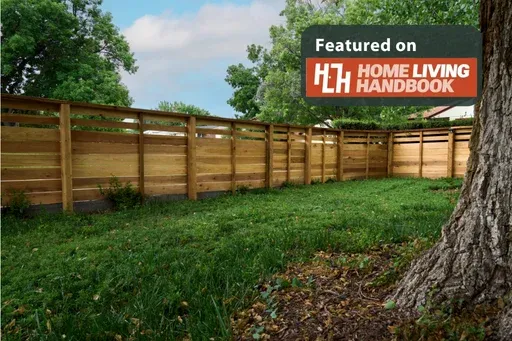
A fence can elevate the appearance of a property, reinforce security, and create a polished boundary that complements the surrounding landscape. However, there is a point where design choices begin working against the property's overall goals. Across Media, some fencing projects become so focused on decorative features that functionality, balance, and long-term value are overlooked. While customization is an important part of any fencing project, excessive complexity can create challenges that are not immediately obvious.
For property owners evaluating a new metal fence, understanding the relationship between aesthetics and practicality is essential. Through Top Rail Fence Media, property owners can explore fencing solutions that balance visual appeal with long-term performance.
The most successful fencing projects are not necessarily the most elaborate. In many cases, thoughtful restraint creates stronger results than excessive ornamentation.
When design begins competing with the property
A fence should enhance a property, not become the only feature people notice.
Visual balance matters more than complexity
Some fencing projects include numerous decorative elements, custom patterns, oversized finials, and intricate details. While each feature may appear attractive individually, the combined effect can overwhelm the surrounding architecture.
A properly planned metal fence should complement landscaping, walkways, and building design rather than distract from them.
Architectural harmony creates stronger curb appeal
Every property has its own character. Fencing that reflects the scale and style of the home often creates a more cohesive appearance than highly decorative alternatives.
When fencing aligns with architectural features, visitors experience the property as a unified design rather than a collection of competing elements.
Excessive customization can increase maintenance concerns
Customization is valuable, but every added feature introduces additional considerations.
More components create more upkeep
Decorative accents, specialty gates, and unique design features may require additional inspection and maintenance over time.
A streamlined metal fence installation often provides durability while reducing the number of components that may eventually need attention.
Simplicity supports long-term consistency
Properties change over time through landscaping updates, exterior renovations, and outdoor improvements. Simpler fencing designs tend to adapt more easily to these changes.
This flexibility allows the fence to remain visually relevant even as the property evolves.
Overdesign can limit future property improvements
Many fencing decisions influence projects that may not occur until years later.
Outdoor spaces evolve over time
A backyard that currently serves one purpose may eventually include a patio, garden, outdoor kitchen, or entertainment area.
An overly specialized metal fence design may restrict how future improvements integrate with the overall property layout.
Practical access remains important
Highly decorative fencing sometimes prioritizes appearance over usability. Gate locations, entry widths, and layout flexibility should remain important considerations throughout the planning process.
Professional metal fence installation helps balance design goals with practical functionality.
Residential fencing benefits from thoughtful restraint
In residential environments, curb appeal often depends on achieving the right balance rather than maximizing decorative features.
Neighborhood context influences perception
Properties rarely exist in isolation. The surrounding streetscape contributes to how fencing is perceived.
An elegant residential fencing solution often succeeds because it complements neighboring properties while maintaining its own distinctive character.
Timeless designs age more gracefully
Design trends change. A fence that feels highly fashionable today may appear dated years later.
Many successful residential fencing projects rely on classic design principles that continue to look appropriate regardless of changing trends.
For those considering customized solutions, exploring available metal fence options can provide valuable insight into designs that prioritize both appearance and long-term value.
Commercial properties face different design challenges
The effects of overdesign can become even more significant in business environments.
Professional appearance supports credibility
For businesses, fencing contributes to customer impressions. Excessively decorative fencing may distract from branding or create a less professional appearance.
Well-planned commercial fencing typically emphasizes clean lines, durability, and visual consistency.
Functionality remains a priority
Business properties frequently require vehicle access, security considerations, and operational efficiency. Overly complex designs may complicate these practical requirements.
Effective commercial fencing balances aesthetics with everyday performance.
Cost considerations extend beyond installation
The hidden cost of overdesigning a fence is not always reflected in the initial project budget.
Design complexity affects future modifications
Property improvements, additions, and renovations sometimes require fence adjustments. Highly customized systems can be more difficult to modify while maintaining a consistent appearance.
A balanced metal fence design often provides greater flexibility for future projects.
Replacement components may be harder to source
Unique decorative features can create challenges if replacement parts are ever needed. Standardized designs generally offer greater convenience and long-term support.
This practical advantage is frequently overlooked during the initial planning stage.
Strong fencing creates a supporting role
One of the most effective design principles is understanding what the fence should accomplish.
The property should remain the focal point
Visitors should notice the home, landscaping, and outdoor environment before focusing on the fence itself.
A quality metal fence enhances these features without demanding constant attention.
Confidence often comes from simplicity
Clean lines, balanced proportions, and thoughtful placement frequently create stronger visual results than excessive ornamentation.
This principle applies equally to both residential fencing and commercial fencing projects throughout Media.
According to the This Old House fencing resource center, successful fence design depends on balancing aesthetics, functionality, and long-term property goals rather than focusing exclusively on decorative features.
Finding the right balance for long-term value
The goal of fencing is not simply to create an attractive boundary. It should support the property's appearance, functionality, and future adaptability. Overdesign can unintentionally create visual clutter, increase maintenance demands, and limit future flexibility.
The most successful projects achieve a balance between elegance and practicality. Top Rail Fence Media works with property owners throughout Media to develop customized fencing solutions that enhance curb appeal without sacrificing long-term performance. Whether planning a new metal fence, evaluating professional metal fence installation, or comparing options for residential fencing and commercial fencing, thoughtful design decisions can provide lasting value. To discuss your project and explore customized solutions, visit the Contact Us page and connect with Top Rail Fence Media for expert guidance tailored to your property goals.