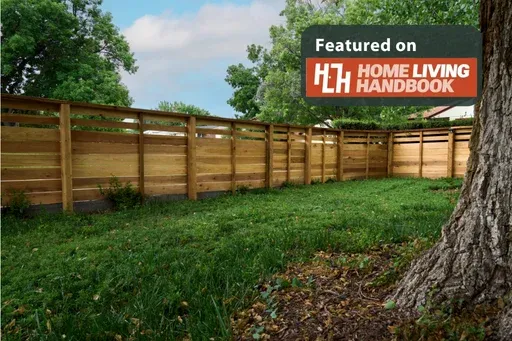
Should the landscaping come first, or should the fence establish the framework for everything else? For some properties, the answer is clear: vinyl fencing should lead the design. A fence can determine privacy levels, define outdoor rooms, establish sightlines, and influence where plants, paths, patios, and seating areas ultimately belong. In Media, that approach can be especially useful when a backyard has an unusual shape, multiple uses, or specific privacy requirements. To explore local fencing options, the Top Rail Fence Media page offers a starting point for planning a project around the property's layout.
The fence-first approach does not mean landscaping becomes secondary. Instead, vinyl fencing creates the structural framework that allows the rest of the outdoor environment to develop with greater purpose. Rather than planting first and trying to fit a fence around existing features later, the boundary can establish the limits, visual direction, and functional zones of the yard.
When the boundary needs to come before the planting plan
A landscape can look attractive on its own, but a fence often determines how the entire property is experienced. If privacy, security, pets, or clearly defined outdoor areas are major priorities, those needs may need to be addressed before selecting plants or placing hardscaping.
Privacy goals can determine the layout
A backyard intended for private dining, entertaining, or relaxation may require a specific fence height and placement. In these situations, vinyl fencing can establish the privacy envelope before landscaping fills in around it.
This makes it easier to determine where trees, shrubs, flower beds, and other features should be positioned without accidentally blocking access or creating maintenance problems.
The fence can establish the usable boundaries
A property may contain areas that are technically part of the yard but are not equally suitable for outdoor use. A fence can help define where children play, where pets move, or where outdoor furniture belongs.
Once those boundaries are established, landscaping can be planned to support the way each area will actually function.
Existing features may not tell the whole story
A tree, garden bed, or patio may already occupy a prominent position, but that does not necessarily mean the fence should be designed around it. A fence-first plan considers the long-term needs of the property rather than preserving every existing feature at the expense of access or privacy.
The fence is the first vertical element in the landscape
Landscaping often focuses on ground-level features such as lawns, plants, mulch, and patios. Vinyl fencing introduces a strong vertical element that can influence how the yard feels from the moment someone enters it.
Vertical structure changes how space is perceived
A tall fence can create enclosure and privacy, while a shorter design can maintain openness. This means the fence can establish the visual scale of the yard before any additional planting is introduced.
The result is a landscape plan that works with the fence rather than competing against it.
A fence can frame the most important view
The best view from a patio or kitchen window may influence the placement of the fence. In some cases, the boundary should disappear visually into the landscape. In others, it can create a clean backdrop for trees, ornamental grasses, or garden beds.
This is where different vinyl fence designs can affect the overall character of the property.
The boundary can create outdoor rooms
A backyard does not need to function as one uninterrupted space. A fence can define a private lounge area, separate a dining zone from a play area, or create a more secluded garden space.
Penn State Extension notes that vertical elements such as fences and walls can help create a sense of enclosure and define outdoor rooms within a landscape.
Why vinyl fencing can be a strong starting point
The fence-first approach requires a material that can provide a consistent visual foundation for the rest of the design. Vinyl fencing offers a clean appearance that can work with a wide range of landscaping styles.
It creates a consistent design backdrop
Plants change throughout the year, while the fence remains a stable visual element. This allows the landscape to evolve without changing the property's primary structure.
A consistent boundary can provide a backdrop for seasonal flowers, evergreen shrubs, ornamental grasses, and other plantings.
It can support different levels of enclosure
Not every section of a property needs the same visual treatment. A vinyl fence installation may include privacy sections, decorative sections, gates, or transitions that respond to different parts of the yard.
This gives the landscape plan more flexibility than a single approach applied uniformly across the property.
It can simplify the relationship between fencing and landscaping
When the fence layout is established early, planting beds can be positioned with more accurate spacing. This helps avoid placing plants too close to the fence or creating narrow areas that are difficult to maintain.
Designing the landscape around the fence without making it feel rigid
A fence-first approach should create structure, not make the backyard feel overly formal. The landscaping still needs to soften the boundary and connect the fence to the rest of the property.
Use planting to soften long fence runs
A long stretch of vinyl fencing can be visually softened with carefully placed shrubs, trees, or garden beds. The goal is not necessarily to hide the fence completely, but to create a more natural transition between the vertical boundary and the ground plane.
Leave enough room for mature growth
Planting directly against a fence may look attractive at first, but it can create future maintenance issues. Mature plants need enough room for growth, access, and pruning.
The fence-first plan should account for the final size of plants rather than focusing only on how the yard looks immediately after installation.
Combine hardscape and planting intentionally
A walkway, patio, or retaining feature can help connect the fence to the rest of the landscape. These elements can create transitions that prevent the fence from appearing like an isolated perimeter.
When landscaping should still lead the project
The fence-first strategy is not the right answer for every property. Existing mature trees, drainage concerns, protected landscape features, and natural terrain may need to influence the fence layout.
Mature trees can affect fence placement
Large trees may have extensive root systems that make certain fence locations impractical. Their canopy and long-term health should be considered before finalizing the fence line.
Drainage can change the design
Water movement across the property may require specific planning. A fence should not create conditions that interfere with drainage or cause water to collect in unwanted areas.
Natural features can become part of the boundary
In some landscapes, existing vegetation or terrain already provides part of the desired separation. The fence may be more effective when it works with those features rather than replacing them.
Choosing vinyl fence designs that support the entire yard
The right vinyl fence designs should reflect the purpose of the space. A privacy-focused backyard may require a different approach from a front-facing property where openness and visibility are more important.
Privacy designs can anchor secluded spaces
A taller fence can provide a strong foundation for a private outdoor room. Landscaping can then be used to soften the edges and add seasonal interest.
Decorative designs can preserve openness
Where privacy is less important, a more open style can establish a boundary without creating a visually enclosed yard.
Gates can connect different landscape zones
A gate can create a clear transition between the front yard, side yard, garden, and backyard. Its location should be considered as part of the overall landscape circulation plan.
What professional fence installation adds to the planning process
A fence-first landscape requires careful coordination between the boundary, access points, property conditions, and intended outdoor uses. Professional fence installation helps ensure that the design is not only visually appealing but also practical for everyday use.
At Top Rail Fence Media, the planning process can help determine how vinyl fencing fits into the broader structure of the property. Fence placement, gates, transitions, and the relationship between the boundary and future landscaping all deserve attention before installation begins.
The best results come from treating the fence as part of the landscape plan rather than an isolated construction project.
A fence-first approach can create a more intentional Media landscape
The debate between landscaping first and fencing first does not have one universal answer. For properties where privacy, circulation, outdoor rooms, or clear boundaries are central priorities, vinyl fencing can provide the framework that guides the rest of the design.
In Media, a well-planned vinyl fence installation can establish the structure of a backyard before plants and hardscaping are added. Research from Penn State Extension also emphasizes the value of planning a landscape by considering property boundaries, existing features, access, views, and intended uses before planting begins.
When the fence leads the design for the right reasons, the result can be more cohesive, easier to maintain, and better suited to the way the property is used. To discuss your layout and determine whether a fence-first approach is right for your project, visit the Contact Us page and connect with Top Rail Fence Media about a customized vinyl fencing solution.