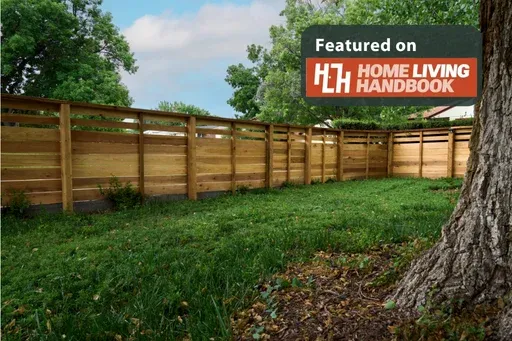
A backyard with a pool, garden, and patio can offer several distinct ways to relax and entertain, but each feature also competes for space, access, sunlight, and visual attention. A wood fence should support those elements rather than create obstacles between them. In Media, where outdoor spaces can include everything from compact patios to expansive landscaped yards, the success of a fence often depends on how well it is planned alongside the features already occupying the property.
For homeowners considering a new wood fence installation, Top Rail Fence Media can help create a layout that works with the existing outdoor environment instead of treating the fence as an isolated addition. The right placement can protect privacy, frame the yard, and define the property without interfering with pool access, garden growth, or patio use.
Start with the yard's movement patterns
A fence may follow the property line, but the best layout should also account for how people move through the yard. Pools, patios, gardens, gates, storage areas, and walkways all create different circulation patterns.
Map the routes people use most
Before finalizing a wood fence, consider how someone moves from the house to the patio, from the patio to the pool, and from the driveway or side yard to the backyard. A fence line that appears efficient on paper may create unnecessary detours once the space is being used.
Gates should be positioned where they support natural movement. A well-placed gate can provide access without forcing people to walk around the entire perimeter or cross through planting beds.
Leave room for maintenance access
Outdoor spaces require more access than daily recreation alone. Pool equipment, lawn care tools, garden supplies, and maintenance equipment all need to reach their destination.
A wood fence installation should account for these practical needs before the final layout is chosen. A narrow passage may look attractive when the project is new, but it can become frustrating when equipment or replacement materials need to pass through.
Keep pool areas separate without making them feel disconnected
A pool often becomes the visual center of a backyard. The surrounding wood fence should help establish privacy and boundaries while still allowing the pool area to feel open and inviting.
Use the fence as a backdrop
A solid or semi-private fence can provide a consistent background behind a pool deck or lounge area. This can reduce visual distractions from neighboring properties and give the space a more finished appearance.
The height and style of the wood fence should reflect the scale of the pool area. A fence that is too visually heavy may make a compact pool feel enclosed, while a design with carefully considered spacing can maintain a sense of openness.
Avoid blocking essential sightlines
Fence placement should not unnecessarily obstruct views that help people monitor the pool area. The relationship between the fence, house, seating areas, and access points should be evaluated as part of the overall design.
Safety requirements can also influence the layout. Pool fencing rules vary by jurisdiction, so homeowners should verify applicable requirements before installation. The U.S. Consumer Product Safety Commission's pool and spa safety guidance highlights the importance of barriers and other safety measures around residential pools, making it important to consider compliance alongside appearance when planning a wood fence near a pool.
Give gardens enough room to grow
Gardens change over time. A small planting bed can become significantly larger after several growing seasons, and plants placed too close to a fence may eventually create maintenance problems.
Plan for mature plant size
One of the most common design conflicts between a wood fence and landscaping occurs when plants are selected based only on their current size. Trees, shrubs, vines, and other plants may eventually press against the fence or make access difficult.
When selecting types of wood fences, homeowners should also consider how the fence will interact with future landscaping. A design that leaves room for air circulation, trimming, and maintenance can remain attractive for longer than one installed directly against dense vegetation.
Protect the fence from aggressive growth
Some climbing plants can become heavy or difficult to control as they mature. While greenery can soften the appearance of a wood fence, uncontrolled growth may trap moisture against the surface or make routine maintenance more difficult.
A better approach is to decide in advance where plants will grow and where the fence should remain accessible. This creates a deliberate relationship between the landscape and the boundary instead of allowing vegetation to gradually overwhelm the fence line.
Let the patio and fence work as one outdoor room
Patios are often designed around furniture, cooking areas, fire features, and entertainment. A wood fence can help define this space, but its position should not reduce usable room.
Watch the relationship between furniture and gates
A gate that opens directly into a seating area can interfere with furniture placement and create an awkward circulation path. The same issue can occur when a fence is installed too close to outdoor kitchens, grills, or dining areas.
Planning the fence alongside the patio layout helps preserve the space needed for people to move comfortably. This is especially important in smaller yards where every foot has a noticeable effect on usability.
Coordinate materials without creating visual overload
Patios often contain pavers, concrete, stone, brick, or composite materials. A wood fence introduces another texture and color into the space.
The goal is not necessarily to match every material. Instead, the fence should complement the patio's dominant tones and textures. A simple fence design may work better beside a highly detailed patio, while a more decorative approach can add interest to a minimal outdoor setting.
Choose fence designs based on the surrounding features
The right fence style depends on the role the fence needs to play within the yard. Privacy, visibility, aesthetics, and access can all influence the selection.
Solid designs create stronger privacy zones
A solid wood fence can be useful around patios and pool areas where privacy is a major priority. It can create a consistent visual boundary and reduce distractions from neighboring properties.
However, solid fencing may not be ideal for every section of the yard. A more open design may work better near a garden or front-facing area where visibility and sunlight are important.
Open designs can support gardens and views
Some of the different types of wood fences offer greater visual openness through spacing between pickets or rails. These styles can help maintain a connection between the yard and its surroundings while still defining the property.
The choice should reflect what is behind and in front of the fence. A garden may benefit from an open backdrop, while a patio may require more privacy.
For homeowners comparing different wood fence designs, considering the surrounding pool, patio, landscaping, and property layout can help prevent a style from creating problems elsewhere in the yard.
Think about drainage before the fence is installed
Water management is another factor that can affect the relationship between a wood fence and outdoor features. Pool decks, patios, planting beds, and sloped yards can all influence how water moves across the property.
Avoid creating unwanted collection points
A fence line can sometimes change how water flows, particularly when installed near slopes, hardscaping, or areas where runoff already collects. The layout should be reviewed alongside the existing grade and drainage patterns.
This is especially important near pools and patios, where water needs to move away from frequently used surfaces. A professional wood fence installation should consider the surrounding conditions rather than simply following the shortest possible route.
Keep soil and mulch from accumulating against the fence
Garden beds placed directly against a fence can gradually raise the soil level around the posts and lower boards. Mulch and organic material may also hold moisture against the fence.
Leaving appropriate space for maintenance can help protect the installation and make it easier to monitor the condition of the fence over time.
Build the fence around the outdoor experience
The best backyard fencing plans do not treat the pool, garden, patio, and fence as separate projects. Each element affects the others. A pool needs practical access, a garden needs room to grow, a patio needs comfortable circulation, and a wood fence needs a layout that supports all three.
In Media, a carefully planned fence can provide privacy and structure without creating unnecessary conflicts between the property's most important outdoor features. The right wood fence designs can frame the yard, complement the landscape, and help separate activity areas while keeping the overall space connected.
For homeowners planning a project, Top Rail Fence Media can help evaluate the property's layout and identify a fencing approach that fits its existing features. Whether you are comparing types of wood fences or preparing for a complete wood fence installation, thoughtful planning can prevent costly design conflicts and improve the way the yard functions. To discuss your project, visit the Contact Us page and connect with Top Rail Fence Media for assistance with your fencing plans.