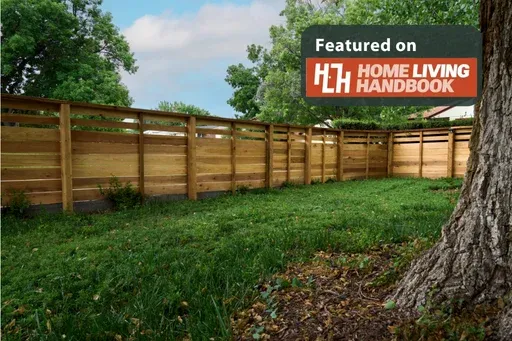
A wood fence does not always need to run from one property corner to another. On unusual lots, a carefully planned stopping point can create a better result than forcing the fence to follow a simple perimeter. The right wood fence installation approach considers how the fence meets driveways, walkways, landscaping, retaining walls, neighboring structures, and changes in elevation. For local planning guidance, the Top Rail Fence Media page provides a starting point for exploring fencing solutions suited to properties in Media.
A fence endpoint is more than the place where the last panel is installed. It affects how the entire boundary looks, how people move around the property, and whether the finished design feels intentional. With the right planning, a wood fence can stop at a natural transition instead of creating an awkward visual interruption.
Why a fence endpoint deserves its own design strategy
The beginning and end of a fence line are highly visible areas. While the middle sections usually repeat the same pattern, the endpoint must resolve the transition between the fence and something else.
That something could be a house, driveway, garden bed, sidewalk, slope, stone wall, or open section of the yard. If the final panel simply ends wherever the measured distance runs out, the result may look unfinished.
A smarter wood fence installation plan evaluates the endpoint as part of the overall design.
A stopping point can create visual balance
A wood fence that stops at a carefully selected location can make a property appear more organized. The endpoint may align with a building corner, a change in landscaping, or a transition between different outdoor zones.
This approach prevents the fence from appearing to stop randomly in the middle of an open space.
The endpoint can protect important sightlines
Unusual lots often contain views that should remain open. A fence that continues too far can block a driveway approach, reduce visibility near a walkway, or make a smaller yard feel enclosed.
Strategic endpoint planning allows a wood fence to provide privacy where it is needed without creating unnecessary visual barriers elsewhere.
A clean ending can make the fence feel intentional
A properly finished endpoint gives the entire fence design a sense of completion. The final post, panel, or transition should look like a planned architectural detail rather than an interruption caused by the property's shape.
Situations where stopping a wood fence makes sense
Not every boundary needs full enclosure. In fact, unusual property layouts can benefit from a more selective approach.
When the property changes direction
A sharply angled lot can make a continuous fence line difficult to design. Instead of forcing the wood fence around every change in direction, the layout may benefit from stopping at a logical point and allowing another landscape feature to define the remaining transition.
This can reduce unnecessary angles and create a cleaner overall appearance.
When a driveway interrupts the boundary
Driveways create one of the most common endpoint challenges. A fence may need to stop before the driveway, return toward the house, or transition into a gate system.
The right wood fence installation plan should account for vehicle movement, pedestrian access, and the visual relationship between the fence and driveway. A poorly placed endpoint can make access feel cramped, while a well-positioned one can frame the entrance.
When landscaping already defines the space
A mature hedge, garden wall, or group of trees may already establish a visual boundary. Extending a wood fence beyond that feature could create unnecessary layering.
Stopping the fence where the landscaping naturally takes over can produce a more cohesive result.
When elevation changes make continuation impractical
Sloped yards often require more careful planning than flat properties. A fence may need to step, rack, or transition between different elevations.
In some cases, ending the fence before a major grade change can be more practical than creating a complicated transition that affects appearance and structural performance.
How to choose the right endpoint for an unusual layout
The best endpoint is rarely selected by measuring only the property line. It should be evaluated in relation to the entire outdoor environment.
Look for existing architectural alignments
A fence endpoint can align with a corner of the home, the edge of a porch, or another strong architectural feature. This creates a visual relationship between the building and the wood fence.
When the endpoint appears connected to the structure, the fence feels like part of the property's design rather than an independent object placed along the boundary.
Study how people move through the yard
A fence should not create unnecessary obstacles. Walkways, entrances, patios, and service areas all influence where the fence should stop.
Thoughtful wood fence styles can help define movement without forcing people to take inconvenient routes around the property.
Consider what will be seen beyond the endpoint
The area beyond the fence ending matters just as much as the fence itself. If the final section opens toward an unattractive utility area, an exposed neighboring feature, or an unfinished section of the yard, the endpoint may draw attention to something the design was meant to minimize.
The solution could involve repositioning the endpoint or using a transition that softens the visual change.
Using wood fence styles to make the ending feel finished
The endpoint does not always have to look identical to the rest of the fence. Subtle changes can help create a deliberate conclusion.
A stronger terminal post can define the boundary
A substantial final post can visually signal where the wood fence ends. This is particularly useful when the fence stops beside an open lawn, walkway, or landscape feature.
The terminal post becomes a design element that gives the endpoint a clear visual finish.
A gate can turn an endpoint into an entrance
In some layouts, the best place for the fence to stop is near an access point. A gate can transform the end of the fence from a dead end into a functional transition.
The design should consider the gate's swing, available clearance, and relationship to the surrounding property.
A change in height can create a controlled transition
A wood fence does not always need to maintain the same height across every section. A planned reduction in height near an endpoint can make the transition feel less abrupt.
This can also help preserve openness around patios, front-facing areas, and locations where a taller fence would feel visually heavy.
Why cedar fence materials can influence endpoint design
Material selection matters when a fence includes custom transitions, terminal posts, gates, or changes in configuration. A cedar fence can bring a warm, natural appearance to an endpoint while complementing landscaping and exterior architecture.
The material also contributes to the overall character of different wood fence styles. A natural wood appearance can make a carefully planned endpoint blend more easily into gardens, pathways, and other outdoor features.
According to the U.S. Department of Agriculture Forest Service, wood performance and durability are influenced by factors such as species characteristics and environmental exposure. This reinforces the importance of selecting materials appropriate for the conditions surrounding the fence, particularly where endpoints may experience different levels of moisture, sunlight, and exposure.
Common endpoint mistakes that weaken a fence design
Even a high-quality wood fence can look poorly planned if the ending is treated as an afterthought.
Stopping in the middle of an open area
An endpoint positioned without a visual reason can make the fence appear incomplete. Whenever possible, the ending should connect to another feature or create a clear transition.
Ignoring the surrounding landscape
A fence endpoint that conflicts with planting beds, retaining walls, or existing hardscaping may appear disconnected from the rest of the property.
Creating awkward leftover spaces
A poorly planned endpoint can leave narrow strips of unusable land between the fence and another structure. These leftover spaces can become difficult to maintain and may undermine the purpose of the fence.
Treating every property like a rectangle
A standard layout may work well for a straightforward lot, but unusual properties require more flexibility. The best wood fence installation plan responds to the actual shape and function of the property.
How professional planning brings unusual fence layouts together
The strongest fencing designs begin by understanding the entire property rather than focusing only on the boundary line. A professional approach can evaluate access points, grade changes, landscaping, structures, and sightlines before determining where the wood fence should begin and end.
At Top Rail Fence Media, the planning process can help develop a fence layout that responds to unusual property conditions while maintaining a cohesive appearance. The goal is not simply to install as much fencing as possible. It is to determine where the fence provides the greatest functional and visual value.
The right endpoint may be a gate, a building corner, a landscape transition, or a carefully finished terminal post. Each choice can change how the property feels and functions.
A smarter way to finish a wood fence in Media
A wood fence should stop where the design makes sense, not simply where a measurement happens to end. On unusual properties in Media, thoughtful endpoint planning can improve access, preserve sightlines, reduce awkward transitions, and create a more polished outdoor environment.
Whether the project calls for a cedar fence, a privacy-focused design, or one of several wood fence styles, the endpoint deserves the same level of attention as the main fence line. To discuss your property layout and explore the next steps for a customized wood fence installation, visit the Contact Us page and connect with Top Rail Fence Media.