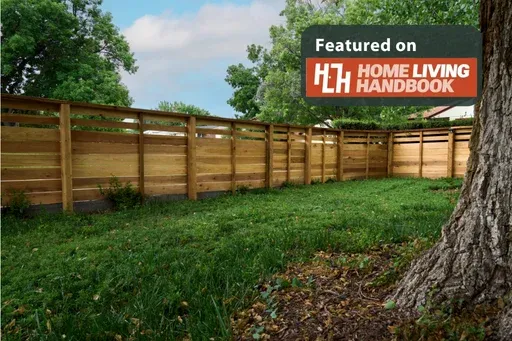
In Media, modern residential design is shifting the role of wood fence installation far beyond simple property enclosure. Homeowners are now using fencing to actively guide movement across their outdoor spaces, shaping how people enter, circulate, and experience different parts of the yard. Instead of acting as a fixed barrier, a well-planned wood fence now functions as a subtle navigation tool that influences foot traffic patterns while still defining boundaries.
Homeowners can explore local fencing solutions through the Top Rail Fence Media, where different wood fence installation approaches are tailored to residential layouts across Media neighborhoods.
With support from Top Rail Fence Media, wood fence installation is increasingly used as a design strategy that organizes movement, improves usability, and enhances the overall flow of outdoor living spaces.
How wood fencing shapes movement across residential landscapes
The way people move through a property is often determined by structure, even if they are not consciously aware of it. This is where wood fence installation plays an important role.
Guiding natural walking paths
Instead of allowing unrestricted movement across the entire yard, a thoughtfully placed wood fence helps define natural walking routes between patios, gardens, and entry points.
Encouraging intentional space usage
Strategic wood fence installation can direct attention toward specific areas such as seating zones, fire pits, or garden features, helping homeowners use their space more purposefully.
Reducing random foot traffic across landscaping
Without structure, lawns and gardens often experience uneven wear. Properly positioned wood fence panels help protect delicate landscaping by guiding movement around, rather than through, sensitive areas.
Designing outdoor flow with wood fence installation planning
Effective outdoor layouts rely on more than placement alone. The structure and style of fencing also influence how a space feels and functions.
Creating directional transitions between zones
A well-designed wood fence installation helps define transitions between different backyard zones, such as entertainment areas, play spaces, and quiet gardens.
Supporting visual cues for movement
Certain wood fence styles naturally guide the eye and body movement through the yard. Vertical lines, spacing patterns, and height changes all contribute to directional flow.
Maintaining openness while directing traffic
Even when guiding movement, wood fence installation can maintain openness by using partial enclosures or segmented layouts instead of full perimeter barriers.
The role of wood fence panels in controlling circulation
A major advantage of modern wood fence installation is the flexibility provided by modular construction systems.
Structuring movement without blocking visibility
Well-placed wood fence panels allow homeowners to shape movement paths while still maintaining a visual connection across the yard.
Supporting layered backyard design
Instead of a single open space, wood fence panels help divide the yard into functional layers that naturally guide how people move through each section.
Enhancing safety and organization
In family homes, wood fence installation helps separate active play areas from more structured zones, improving both safety and organization.
Wood fence styles that influence outdoor behavior
Different wood fence styles can significantly change how people interact with a space.
Linear styles that guide direct movement
Straight-line wood fence styles are often used to create clear directional flow between entry points and outdoor destinations.
Decorative styles that slow movement naturally
More intricate wood fence styles encourage slower movement and longer engagement in specific areas, such as gardens or seating spaces.
Mixed-height designs for flexible navigation
Combining different heights within a wood fence installation allows homeowners to subtly influence movement speed and direction across the yard.
Why wood fencing is effective for residential flow design
In Media, many homeowners are choosing wood fence installation specifically for its ability to blend structure with natural aesthetics.
Balancing function and visual appeal
A properly designed wood fence not only guides movement but also enhances the overall appearance of the outdoor environment.
Adapting to evolving backyard layouts
As outdoor spaces change over time, flexible wood fence installation allows homeowners to adjust circulation patterns without major reconstruction.
Supporting long-term usability
Durable wood fence panels help maintain a consistent structure, ensuring that outdoor flow remains functional for years.
According to the American Society of Landscape Architects, well-structured outdoor environments that guide movement patterns can significantly improve usability and long-term satisfaction in residential landscapes.
How professional installation improves traffic flow outcomes
Effective movement control depends heavily on precise execution during installation.
With Top Rail Fence Media, homeowners receive expert guidance on wood fence installation that aligns with both landscape design and practical foot traffic needs. Through professional planning, Top Rail Fence Media ensures that every wood fence contributes to smoother movement, better spatial organization, and improved backyard usability.
Additionally, Top Rail Fence Media helps homeowners choose appropriate wood fence panels and wood fence styles that match both aesthetic goals and functional movement requirements.
Creating more functional outdoor movement in media
The most effective wood fence installation designs do more than enclose a property. They actively shape how people experience and move through outdoor space. By guiding circulation, defining zones, and protecting landscaping, fencing becomes an essential part of residential flow design.
To begin your project, visit the Contact Us page for expert guidance on professionally planned wood fence installation solutions in Media.