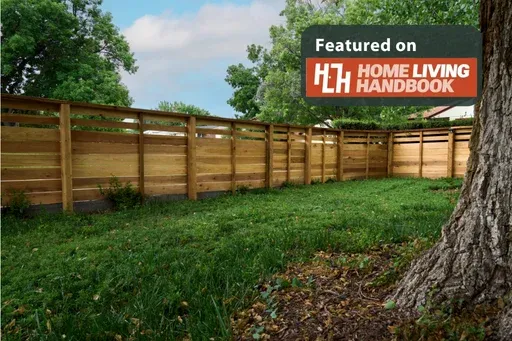
A garden boundary does not have to look like a hard dividing line between planted areas and the rest of the property. In Media, PA, a carefully planned wood fence can become part of the garden's visual composition, working alongside flowers, shrubs, trees, pathways, and outdoor features. The natural appearance of wood can introduce warmth and structure while helping define where a garden begins and where the surrounding yard takes over. Top Rail Fence Media can help develop a fencing approach that fits the garden's layout while supporting the property's broader landscape.
Treat the garden edge as a design feature
The edge of a garden is where two different spaces meet. It may separate planting beds from a lawn, create a backdrop behind flowers, or establish a transition between a backyard and a cultivated area.
A wood fence can make that transition feel deliberate without making the garden appear isolated. Instead of functioning only as a boundary, the fence can provide a visual backdrop that gives plants greater definition.
Give the planting area a strong outline
A clearly defined garden edge can make landscaping appear more organized. The fence creates a consistent line that contrasts naturally with irregular foliage and seasonal plant growth.
This contrast can be especially effective when flowering plants, ornamental grasses, or shrubs are positioned in front of the fence. The wood provides a structured background while the plants supply changing color and texture.
Select a fence height that fits the garden
The height of a wood fence can dramatically change how the garden feels. A low structure can provide subtle separation, while a taller fence can create a stronger backdrop or greater privacy.
The right height depends on what the garden needs to accomplish. A decorative planting area may benefit from a lower profile that keeps the landscape visible, while a backyard garden beside a neighboring property may call for additional screening.
Keep important views open
A garden can feel smaller when its edges are surrounded by tall, solid structures. If maintaining an open appearance is important, a shorter fence or a design with spacing between boards may provide definition without visually closing the area.
This allows the garden to remain connected with patios, lawns, walkways, and other outdoor spaces.
Let wood complement natural textures
Wood naturally relates to other landscape materials. It can sit comfortably beside stone paths, mulch beds, brick edging, natural rock, timber structures, and mature trees.
A wood fence does not need to match every feature exactly. Instead, its natural texture can provide a connecting element between different materials.
Combine fencing with layered planting
Plants placed at different heights can soften the fence line. Taller shrubs can rise above portions of the fence, medium-height plants can fill the middle layer, and groundcover can soften the base.
This creates depth instead of leaving the fence exposed as a single uninterrupted surface.
The garden becomes a combination of structure and vegetation, with each element contributing to the overall composition.
Use the fence as a backdrop for seasonal color
Gardens change throughout the year. Spring bulbs, summer flowers, autumn foliage, and winter branches can all create different views.
A wood fence provides a consistent background against which these seasonal changes can stand out. Its relatively natural appearance can support the changing landscape without competing with it.
Plan around mature plant growth
Plants should be positioned according to their expected mature size rather than their appearance immediately after planting. A shrub that comfortably fits beside a new fence may eventually spread across gates or cover portions of the structure.
Leaving adequate space between plants and fencing helps maintain access and keeps the garden edge visually balanced.
Create transitions instead of abrupt stops
A garden should not necessarily end where the fence begins. The area between the planting bed and fence can include a narrow strip of mulch, decorative stone, groundcover, or other landscape material.
This creates a gradual transition and can make the fence appear more naturally integrated.
Use pathways to connect the spaces
A walkway approaching the garden can terminate near a gate or continue alongside the fence. Either arrangement can create a clear relationship between the garden and the rest of the yard.
If the garden includes maintenance areas, tool storage, or frequently accessed beds, a gate can provide a practical connection without requiring people to walk around the entire perimeter.
Protect the garden while preserving its character
A garden boundary can also serve a practical purpose when plants need protection from browsing animals. A properly positioned wood fence can help keep vulnerable planting areas separate while still allowing the garden to remain visually connected to the surrounding yard. The University of Minnesota Extension notes that physical barriers can be effective for protecting plants from deer and other wildlife, particularly around vegetable gardens, nursery beds, berry plantings, and valuable landscape plants. Learn more about protecting plants from deer to understand how fencing can be incorporated into a broader garden-protection strategy.
Consider privacy without losing the garden's character
Some gardens are designed primarily for beauty, while others are positioned near neighboring properties, patios, or outdoor living areas where additional privacy may be desirable.
A wood fence can provide a stronger visual screen when privacy is part of the objective. However, the design does not have to make the garden feel enclosed.
For properties requiring greater screening, privacy fencing solutions can provide inspiration for how a more enclosed boundary might work alongside an outdoor landscape.
Position privacy where it matters most
Full privacy around an entire garden may not be necessary. A more targeted approach can place taller fencing along the side facing a neighboring property while leaving other sections more open.
This can preserve views toward attractive parts of the yard while providing screening where it delivers the most value.
Think about the relationship between fence and home
The garden fence should also make sense in relation to the house. Its proportions, orientation, and visual weight can influence how the backyard feels from windows, patios, and doors.
A wood fence installation should therefore consider the garden as part of the entire property rather than as an isolated planting zone.
Echo architectural lines subtly
The fence does not need to copy the home's architecture, but repeating certain proportions can create a sense of connection. Straight horizontal lines may complement a simple modern exterior, while traditional board arrangements can work well with more classic architecture.
The surrounding landscape can then bridge the visual difference between house and fence.
Make maintenance part of the layout
Garden fencing sits close to vegetation, which means maintenance needs to be considered before installation. Plants can grow against boards, vines may climb the structure, and soil or mulch can accumulate near the bottom.
During wood fence installation, leaving suitable access around the fence can make future maintenance easier.
Protect access to the fence line
A narrow planting strip directly against the fence can make repairs or cleaning difficult. Consider creating enough room for a person to reach the fence line where maintenance may be required.
This is especially important around gates, corners, and sections hidden behind dense planting.
Choose details that reinforce the garden's identity
Small design decisions can influence how the garden boundary feels. Board orientation, spacing, post dimensions, gate style, and decorative elements can all contribute to the finished appearance.
The best wood fence design depends on the role the boundary is expected to play.
Keep decorative elements connected to the landscape
If the garden already includes elaborate features, a simpler fence can provide visual relief. Conversely, a restrained garden may benefit from a more distinctive gate or carefully detailed fence profile.
The goal is to create an edge that belongs to the garden rather than competing with it.
Design the garden edge for changing seasons
The fence should remain useful and visually appropriate as the landscape changes. Summer foliage may conceal portions of the structure, while winter can expose the entire fence line.
A balanced fence installation should therefore look intentional even when plants are dormant.
Consider how the garden will look in winter
Evergreen shrubs, ornamental grasses, decorative branches, and structural plants can maintain interest when flowering plants disappear. These elements can also prevent a fence from becoming the only prominent feature during colder months.
Planning for all four seasons makes the garden edge feel complete throughout the year.
Let the fence become part of the landscape
A garden boundary can serve a much greater purpose than simply separating one part of a property from another. When carefully positioned, a wood fence can frame planting beds, support privacy, guide movement, create visual depth, and give seasonal landscaping a consistent backdrop.
For Media, PA properties, the natural texture of wood can work particularly well when the goal is to create a garden edge that feels connected to the surrounding landscape. Thoughtful proportions, suitable spacing, strategic planting, and practical access can turn an ordinary boundary into an intentional landscape element.
Top Rail Fence Media can help evaluate the garden's dimensions, planting arrangement, privacy requirements, access points, and existing architecture before the project begins. Whether the goal is to define a small garden bed or establish a more substantial backyard boundary, a carefully planned wood fence installation can provide structure while allowing the landscape to remain the focus. To discuss your garden fencing project and explore professional fence installation options for your Media, PA property, visit the Contact Us page and connect with Top Rail Fence Media.