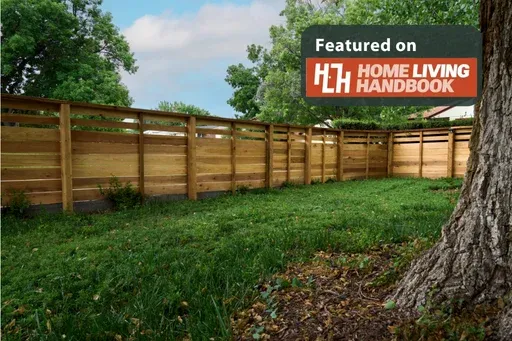
In Media, the role of a wood fence is evolving from a simple perimeter marker into a structured design tool that shapes how outdoor spaces are experienced. Instead of relying on straight, uninterrupted lines, homeowners are increasingly choosing wood fence installation approaches that introduce depth, variation, and layered outdoor zones. This shift reflects a broader move toward functional landscaping where boundaries also guide movement, sightlines, and outdoor living behavior.
Early planning often starts with local guidance, and homeowners can explore layout options through the Top Rail Fence Media, where different wood fence installation approaches are tailored to neighborhood-specific property layouts across Media.
With insight from Top Rail Fence Media, a wood fence is no longer treated as a flat edge of the property. It becomes a layered system that influences depth perception and outdoor usability.
Why wood fencing is moving away from flat perimeter thinking
The traditional idea of fencing focused on enclosing space in the simplest way possible. Today, wood fence installation is being reimagined to support more dimensional outdoor environments.
Breaking uniform boundaries with purposeful variation
Instead of a single continuous line, modern wood fence designs introduce breaks, shifts, and offsets that create visual rhythm across the yard.
Creating perceived depth in compact spaces
A layered wood fence can make smaller properties feel larger by guiding the eye through multiple visual planes rather than a single flat boundary.
Blending enclosure with openness
Rather than fully enclosing a yard, wood fence installation now often combines open sections with structured privacy areas to balance airflow, light, and enclosure.
Design layering techniques used in modern wood fence installation
In Media, homeowners are adopting more intentional design layering through wood fence installation to shape how outdoor areas function.
Staggered alignment for visual movement
Staggered wood fence designs help break rigid sightlines, encouraging the eye to move naturally across the landscape.
Depth through overlapping sections
Overlapping fence segments allow a wood fence to appear multi-dimensional, especially when viewed from patios or garden walkways.
Zoned outdoor environments
Instead of one enclosed backyard, wood fence installation can divide space into functional zones such as dining areas, play sections, and quiet corners.
The role of wood fence materials in achieving structural depth
Material selection plays a major role in how effectively a wood fence can support layered outdoor design.
Pressure treated fence durability in multi-zone layouts
A pressure treated fence is especially important in layered systems where posts and panels experience varying ground conditions and exposure levels.
Structural reliability for complex configurations
Because layered wood fence installation involves angles, transitions, and varied heights, treated materials help maintain long-term stability.
Supporting diverse wood fence designs
Different wood fence designs rely on consistent material strength to maintain alignment across multiple layout zones.
How wood fence installation shapes movement and outdoor experience
Beyond appearance, wood fence installation directly influences how people move through and interact with a property.
Guiding natural circulation patterns
A well-planned wood fence helps direct foot traffic toward patios, garden paths, and outdoor seating areas instead of allowing random movement.
Creating intentional gathering pockets
Layered wood fence designs can frame specific areas for conversation, dining, or relaxation, turning open yards into structured living environments.
Enhancing privacy without isolation
Instead of a full enclosure, wood fence installation allows for partial screening that maintains connection to the rest of the yard while still offering privacy.
Why media homeowners are embracing layered fencing systems
The shift toward layered wood fence layouts is especially visible in Media, where residential properties are increasingly designed for multi-use outdoor living.
Increasing functional outdoor square footage
A thoughtful wood fence installation effectively expands usable space by dividing a yard into purpose-driven zones.
Elevating architectural landscape continuity
Modern wood fence designs often mirror home architecture, extending visual structure from the house into the yard.
Supporting long-term adaptability
Layered fencing allows homeowners to adjust outdoor use over time without needing complete reconstruction.
According to research from Belgard on outdoor living trends, homeowners are increasingly prioritizing structured outdoor layouts that support multiple activities within a single yard space.
How professional installation brings layered design together
Execution is where layered design becomes a functional reality.
With Top Rail Fence Media, homeowners receive structured planning for wood fence installation that balances durability, depth, and usability. Every wood fence is designed to work as part of a larger outdoor system rather than a standalone barrier.
Additionally, Top Rail Fence Media helps homeowners choose the right wood fence designs and pressure treated fence options to ensure layered layouts remain stable and visually consistent over time.
Building dimensional outdoor spaces in media
The evolution of the wood fence reflects a broader shift in how outdoor environments are designed in Media. Instead of a simple enclosure, wood fence installation now creates structured depth, guiding movement and shaping how people experience their yards.
To begin planning a layered outdoor transformation, visit the Contact Us page and connect with Top Rail Fence Media for expert guidance on advanced wood fence installation solutions in Media.