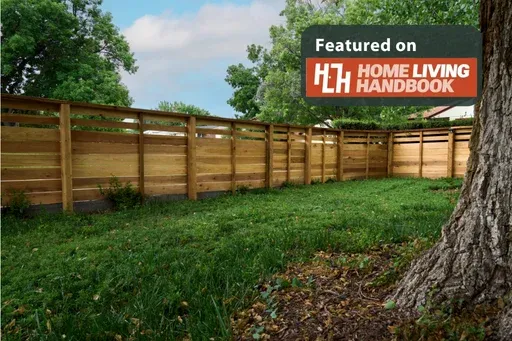
Outdoor spaces can serve as dining areas, reading corners, garden retreats, or places to gather with friends. The right wood fence can help bring these uses together by giving the yard a defined backdrop without making the landscape feel overly structured. In Media, where residential properties can feature a mix of mature landscaping, established architecture, and evolving outdoor spaces, wood offers a natural material that can work comfortably within different settings. Homeowners considering a new fence can explore Top Rail Fence Media's local fencing services to see how a professionally planned installation can complement an outdoor living area.
Give seating areas a stronger sense of place
A patio or seating area can sometimes feel disconnected when it sits in the middle of an open lawn. A wood fence placed along one side of the space can create a visual anchor that makes the seating arrangement feel more intentional.
The fence does not necessarily need to surround the entire yard. A shorter run behind a dining table, lounge chairs, or a firewood storage area can establish separation while leaving the rest of the property open. This approach allows the fence to act as a background element rather than becoming the dominant feature.
Frame furniture without overwhelming it
Outdoor furniture comes in many materials, including metal, wicker, composite, and wood. A natural wood backdrop can provide visual warmth behind these different finishes.
For example, a horizontal seating arrangement can face a wood fence with planting beds positioned between the furniture and the fence line. This creates layers that make the outdoor room feel finished while retaining a connection with the surrounding yard.
Let landscaping become part of the fence design
A wood fence does not have to stand apart from the garden. Its natural texture can work alongside shrubs, flowering plants, ornamental grasses, and climbing greenery.
Instead of treating the fence as the final element added after landscaping is complete, homeowners can incorporate planting into the original layout. Narrow garden beds along the fence line can soften the structure and create seasonal color.
Use plants to soften straight lines
Long fence runs can sometimes appear visually rigid. Planting shrubs or ornamental grasses at selected intervals can break up that effect without hiding the fence completely.
Climbing plants can also introduce vertical interest, although homeowners should consider the weight and growth habits of individual plants before allowing them to grow directly against a fence. Keeping vegetation managed helps preserve airflow and makes routine maintenance easier.
Choose a wood fence style that matches the outdoor activity
Different backyard activities call for different levels of enclosure. A picket fence may work well around a garden or seating area where visibility is important, while a taller wood design may be better suited to a space where privacy is a priority.
The objective is not necessarily to use one style throughout the entire property. Mixing fence configurations can help homeowners create distinct zones while maintaining a consistent material.
Consider openness around social spaces
A fully enclosed seating area can provide privacy, but it may not be appropriate for every backyard. Open or semi-open wood designs allow sunlight and views to remain part of the experience.
A picket fence can be especially useful where the goal is to define an area without creating a solid visual barrier. Its spacing maintains sightlines while still giving the seating or planting area a recognizable edge.
Build the fence around how the yard is actually used
Successful fence installation starts with understanding movement through the property. Before deciding where the fence should go, consider how people enter the yard, where furniture is positioned, where children play, and how gardening equipment moves between different areas.
A fence that looks attractive but blocks a frequently used path can become inconvenient. Planning around everyday movement helps the finished design feel natural rather than restrictive.
Leave practical routes between outdoor zones
Gates and openings should correspond with the way the yard functions. A gate near a walkway can make it easier to move between a patio and garden, while another access point may be useful near a driveway or storage area.
During wood fence installation, careful attention to these access points can make the finished outdoor environment much easier to use. Gate placement, fence direction, and property grading should all be considered together.
Create privacy without losing the natural atmosphere
Outdoor seating is more enjoyable when it feels somewhat separated from neighboring properties or busy areas of the yard. A wood fence can provide that separation while maintaining a softer appearance than some highly structured fencing materials.
The degree of privacy can be adjusted through fence height, board spacing, and placement. A partial screen may be enough for a dining area, while a taller configuration could create a more secluded sitting space.
Use partial screening where full privacy is unnecessary
Strategic placement can be more effective than enclosing everything. For example, a privacy section behind a seating area can block unwanted views while the remaining sides stay open toward gardens and lawns.
This creates a layered backyard where different activities remain visually connected.
Think about wood finishes and long-term care
Wood naturally responds to exposure from sunlight and moisture, so selecting an appropriate finish and maintaining the material are important parts of ownership. The USDA Forest Products Laboratory explains that exterior wood finishes can help address the effects of weather exposure and discusses different approaches to protecting finished wood surfaces.
For a wood fence, maintenance can include cleaning, checking for damage, and refreshing a stain or finish when appropriate. The specific care schedule depends on the wood, finish, exposure, and local conditions.
Preserve the character of natural wood
Some homeowners prefer a finish that allows the grain to remain visible, while others may want a painted appearance that coordinates with the home's exterior.
Either approach can work when the finish complements the surrounding landscape. A carefully selected tone can connect the fence with a home's siding, deck, garden structures, or outdoor furniture.
Make the fence part of an outdoor living plan
A well-designed backyard rarely serves one purpose. The same property may need to accommodate morning coffee, weekend meals, gardening, children's activities, and quiet evenings.
A wood fence can help organize these uses without forcing every activity into a completely separate enclosure. Its placement can establish boundaries while still allowing the yard to function as one connected environment.
Homeowners can also review wood fencing options to compare styles and understand how different configurations can support privacy, decorative appeal, and outdoor functionality.
Coordinate the fence with existing features
A new fence should account for patios, retaining walls, trees, walkways, sheds, and existing planting beds. Matching the fence layout to these features can prevent awkward gaps and make the installation appear integrated into the property.
This is particularly useful when an outdoor seating area already exists, and the fence is being added later.
Plan for durability before installation begins
The appearance of a fence is only one part of a successful project. Posts, spacing, grading, drainage, hardware, and construction methods all influence how a fence performs over time.
Professional wood fence installation can help address these factors before construction begins. A qualified team can evaluate the property, identify potential obstacles, and develop a layout that fits the site's conditions.
Top Rail Fence Media provides customized fencing solutions designed around the property's layout and local environmental conditions. Its Media team considers factors such as site conditions, material selection, and installation requirements when developing fencing projects.
Turn an ordinary yard edge into a useful backdrop
A fence does more than establish a property line. When positioned thoughtfully, a wood fence can become the backdrop for a dining table, garden, lounge area, or quiet corner of the yard. The material's natural appearance makes it particularly suitable for landscapes where homeowners want structure without losing an organic feel.
For Media homeowners planning a new outdoor setting, the goal should be to create a fence that supports how the yard is used rather than simply filling an empty boundary. Top Rail Fence Media can help develop a layout that considers seating, planting, access, privacy, and the existing character of the property.
If you're ready to explore a wood fence installation for your outdoor space, Top Rail Fence Media can help you plan the right design and placement. Visit the Contact Us page to discuss your project and determine how professional fence installation can turn your Media backyard into a more comfortable and connected outdoor environment.