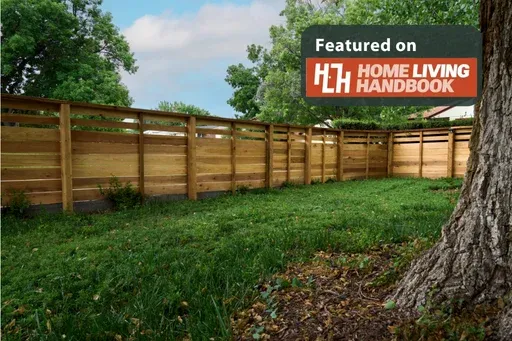
Homeowners in Media are beginning to rethink what fencing means for their property. Instead of simply enclosing a space, many now prefer solutions that work in harmony with their surroundings. This shift is why wood fence installation continues to gain attention as a versatile and natural option. Many property owners start by exploring Top Rail Fence Media to see how fencing can complement outdoor environments rather than separate them. According to Top Rail Fence Media, modern wood fencing is no longer just about boundaries but about integrating structure with landscape design.
Below is a deeper look at how wood fence installation supports this transition from enclosure to environmental connection over time.
Rethinking boundaries as part of the landscape
The planning phase sets the foundation for how a fence will interact with its surroundings.
Designing with the environment in mind
A well-planned wood fence installation considers not just property lines but also how the fence will visually flow with the yard. Instead of acting as a barrier, it becomes an extension of the landscape.
Natural materials like wood help soften transitions between built structures and greenery, making them ideal for homeowners in Media who value cohesive outdoor spaces.
Choosing styles that complement nature
Different wood fence designs can dramatically influence how a fence blends into its environment. Horizontal slats, spaced pickets, and lattice tops all contribute to a lighter, more integrated appearance.
These design choices allow homeowners to maintain structure while still embracing openness.
The first year: establishing presence without dominance
After installation, the fence begins to define space without overwhelming it.
Subtle visual integration
From day one, wood fence panels introduce texture and depth without feeling intrusive. Their natural grain and tone create a softer boundary compared to synthetic materials.
This is especially beneficial for properties with gardens or landscaped features that homeowners want to highlight rather than hide.
Functional privacy where it matters
While openness is important, privacy remains a key consideration. A thoughtfully planned privacy fence installation allows homeowners to create secluded areas without fully closing off the entire yard.
Balancing privacy and openness is one of the defining strengths of wood fencing.
Years two to three: adapting to surroundings
As time passes, the fence begins to visually merge with its environment.
Natural weathering enhances integration
One of the unique aspects of wood fence installation is how it evolves. Exposure to sunlight and weather gradually changes the color and texture of the wood, helping it blend even more seamlessly with the surrounding landscape.
This natural aging process often enhances the overall aesthetic rather than detracting from it.
Supporting plant growth and landscaping
Wood fences often serve as a backdrop for plants, vines, and other landscaping elements. Over time, greenery can grow around and even incorporate the fence into the design of the yard.
Year four: maintenance as a design opportunity
Maintenance becomes part of the ongoing relationship between the fence and the environment.
Refreshing without replacing
Unlike other materials, wood allows for refinishing and updates. Staining or sealing during this stage can either restore the original look or introduce a new tone that better matches the evolving landscape.
This flexibility makes wood fence installation a dynamic design choice rather than a static one.
Addressing wear while preserving character
Minor imperfections such as slight warping or surface cracks are common. However, these elements often add character and authenticity to the fence.
Homeowners can find useful guidance on maintaining outdoor wood structures through resources like the EPA Safer Choice Program, which highlights environmentally responsible care practices.
Year five and beyond: a fully integrated feature
At this stage, the fence becomes a natural part of the property.
Blending seamlessly with the property
After several years, a well-maintained fence no longer feels like an addition. Instead, it becomes part of the landscape itself. Wood fence panels take on tones and textures that align with the surrounding environment.
This level of integration is difficult to achieve with other fencing materials.
Long-term functionality and appeal
Even as the fence evolves visually, it continues to perform its primary role. A properly executed wood fence installation ensures durability and reliability for years to come.
Selecting the right approach to wood fencing
Choosing the right combination of materials and design is key to achieving environmental integration.
Balancing privacy and openness
Different layouts of privacy fence installation can create varying levels of enclosure. Strategic placement allows homeowners to maintain privacy in specific areas while keeping other sections more open.
Customizing panel configurations
The arrangement of wood fence panels plays a major role in how the fence interacts with light, air, and visibility. Adjusting spacing and height can significantly impact the overall feel of the property.
The role of professional craftsmanship
Proper installation is essential for achieving both durability and aesthetic harmony.
Avoiding common installation challenges
Poorly executed wood fence installation can disrupt the natural flow of a landscape. Misaligned panels or uneven spacing can make the fence stand out rather than blend in.
Ensuring long-term integration
Working with Top Rail Fence Media ensures that every detail is carefully considered. From material selection to final placement, professional installation supports both performance and visual cohesion.
A new perspective on wood fencing
The concept of fencing in Media is evolving. Homeowners are moving away from the idea of fences as rigid barriers and embracing them as elements that enhance their surroundings.
Supporting modern outdoor living
As outdoor spaces become more important, wood fence designs play a key role in shaping how these areas are used. From creating private retreats to defining shared spaces, wood fencing adapts to a variety of needs.
A balance between structure and nature
At its core, wood fence installation offers a balance between structure and organic beauty. It provides the necessary boundary while allowing the environment to remain a central focus.
Final thoughts on environmental integration
For homeowners in Media, the shift toward environmentally integrated fencing reflects a broader approach to property design. Wood fence installation offers a way to define space while maintaining a natural connection to the landscape.
By choosing Top Rail Fence Media, property owners can explore solutions that align with both functional needs and design preferences. If you are ready to transform your outdoor space with thoughtfully designed fencing, visit the Contact Us page to begin your project today.