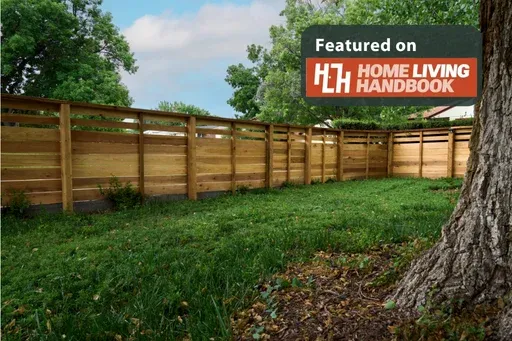
Homeowners in Media are increasingly viewing their outdoor spaces as extensions of their homes rather than separate areas. This shift has brought renewed attention to how boundaries shape functionality, which is why wood fence installation plays a central role in modern property design. Many begin by visiting Top Rail Fence Media to explore how fencing can guide the natural division of space. According to Top Rail Fence Media, wood fencing does more than mark property lines. It helps define how outdoor zones are created, used, and experienced.
Below is a closer look at how wood fence installation influences the formation of outdoor zones over time and how it enhances both structure and usability.
Defining outdoor spaces with purpose
The first stage of installing a fence involves understanding how it will organize the property.
Creating functional zones from the start
A thoughtfully planned wood fence installation allows homeowners to divide their property into purposeful sections. Whether it is separating a garden, patio, or play area, fencing helps establish clear zones without disrupting flow.
In Media, where outdoor living is highly valued, this approach allows homeowners to maximize both usability and visual appeal.
Using design to guide movement
Different wood fence designs influence how people move through a space. Strategic placement of gates and panels can create natural pathways that guide foot traffic and define transitions between areas.
Early stage impact: structure meets flexibility
Once installed, the fence begins shaping how the property is used on a daily basis.
Immediate organization of outdoor areas
From the moment a wood fence installation is complete, it introduces a sense of order. Distinct zones for relaxation, recreation, and landscaping become easier to manage.
This organization helps homeowners in Media make better use of their outdoor environments.
Adapting to different needs
The flexibility of types of wood fences allows homeowners to tailor each section of their property. For example, a more open design may be used near a garden, while a taller structure provides privacy around a patio.
Years one to two: zones begin to take shape
As time passes, the role of fencing in zone formation becomes more apparent.
Supporting everyday activities
Each section of the yard begins to take on a specific function. A well-planned wood fence installation ensures that these zones remain clearly defined while still feeling connected.
For homeowners seeking inspiration, exploring wood fence designs can provide ideas on how to refine outdoor layouts.
Encouraging landscape development
Fencing often influences how landscaping evolves. Plants, pathways, and outdoor features naturally develop within the defined zones, creating a cohesive environment.
Year three: evaluating layout efficiency
By the third year, homeowners begin to assess how effectively their outdoor zones function.
Refining space usage
At this stage, adjustments may be made to improve flow and usability. A properly installed fence makes it easier to modify or expand certain areas without disrupting the entire layout.
Maintaining structural consistency
Durability becomes a key focus. A high-quality wood fence installation ensures that panels remain aligned and continue to support the structure of each zone.
For additional insights into outdoor planning and construction, homeowners can refer to the American Society of Landscape Architects, which offers valuable resources on landscape design principles.
Year four: long-term design and cost considerations
As the fence continues to define the property, its long-term value becomes more evident.
Understanding wood fence installation cost over time
The initial wood fence installation cost is only one part of the equation. Over time, maintenance and potential updates contribute to the overall investment.
However, the ability of wood fencing to adapt and evolve often makes it a worthwhile choice for homeowners focused on long-term usability.
Enhancing property functionality
Well-defined zones improve how the property is experienced. From hosting gatherings to creating quiet retreats, fencing supports a wide range of activities.
Year five: fully established outdoor zones
By this stage, the influence of fencing on the property is fully realized.
Seamless integration of spaces
Each area of the yard feels intentional and connected. The placement of types of wood fences ensures that transitions between zones are smooth and visually appealing.
Long-term reliability
A professionally executed wood fence installation continues to perform reliably, maintaining both its structural integrity and its role in organizing the property.
Choosing the right wood fence for zone formation
Selecting the appropriate materials and design is essential for achieving the desired layout.
Matching fence type to function
Different types of wood fences serve different purposes. Privacy fences create secluded areas, while more open designs maintain visibility and connection between spaces.
Customizing layout with design elements
The arrangement of panels, gates, and heights within wood fence designs plays a major role in how zones are defined. Thoughtful customization ensures that each section of the property meets specific needs.
The value of professional installation
Expert installation is critical for ensuring long-term success.
Preventing layout disruptions
Improper wood fence installation can lead to uneven spacing or misalignment, which can disrupt the flow of outdoor zones. Professional installers ensure precision from the beginning.
Ensuring lasting performance
Working with Top Rail Fence Media provides homeowners with confidence that their fencing system is built to support both structure and design. Proper installation helps maintain the integrity of each zone over time.
A new way to think about outdoor spaces
Fencing is no longer just about boundaries. It is about shaping how a property is used and experienced.
Supporting dynamic outdoor living
As lifestyles evolve, so do outdoor needs. Wood fence installation allows homeowners to adapt their spaces without losing structure or organization.
Creating balance between structure and freedom
Well-designed fencing provides enough definition to organize space while still allowing flexibility. This balance is key to creating outdoor areas that feel both functional and inviting.
Final thoughts on wood fence zone formation
For homeowners in Media, the way outdoor spaces are organized has become just as important as how they look. Wood fence installation offers a practical and visually appealing way to create distinct zones that enhance everyday living.
By choosing Top Rail Fence Media, property owners can explore wood fence designs that align with their layout goals and long-term plans. If you are ready to transform your outdoor space into a well-structured and functional environment, visit the Contact Us page to start your project today.