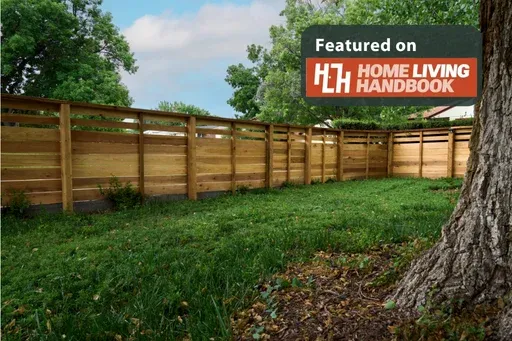
Installing a fence may seem simple until your HOA becomes involved. Many North Georgia communities require homeowners to receive approval before beginning an exterior project. Skipping this step can lead to violation notices, fines, delays, or costly changes after installation. Reviewing the requirements before planning your fence helps keep the project organized and moving efficiently.
Why HOAs regulate fences
Homeowners associations establish community standards that help maintain a consistent appearance and protect property values. Because fences affect privacy, visibility, drainage, and curb appeal, they are often treated as significant exterior improvements.
Many communities in Forsyth, Cherokee, Fulton, Hall, and surrounding North Georgia counties have detailed covenants and design guidelines. These rules may address fence height, placement, material, color, and gate style. As a result, homeowners may need to meet both HOA standards and local government requirements.
Review your governing documents
Start by locating your community's Covenants, Conditions, and Restrictions, commonly called CC&Rs. These documents explain which fences are allowed and outline the association's approval process.
Some North Georgia communities restrict chain-link fencing in front yards or require specific materials, such as wood, vinyl, or ornamental metal. Others limit fence height based on its location or use.
Corner lots, properties near common areas, and homes backing up to greenbelts may have additional requirements. Your documents may also include rules about setbacks, gate design, approved colors, and fences near drainage areas or easements.
Reviewing these details first can help you avoid submitting a design that does not meet community standards.
Prepare an architectural review request
Many North Georgia HOAs use an Architectural Review Committee, or ARC, to evaluate fence projects. Application requirements vary, but most communities request basic information about the proposed installation.
Your submission may need to include:
- A site plan or property survey
- Fence height and total length
- Material type and color
- Gate locations and design
- Product information or photographs
- Distance from property lines, sidewalks, and structures
Providing complete information with your first submission helps the committee understand your project. Incomplete applications are a common reason for approval delays. A clear plan also allows the HOA to review the actual design rather than a general description.
Allow time for review
HOA review timelines vary from one community to another. Some associations review applications during monthly meetings, while others process requests more frequently. Your management company or HOA representative can explain the expected timeline and identify submission deadlines.
Avoid scheduling installation or ordering materials before receiving written approval. Verbal confirmation may not be enough if questions arise later. Waiting for written approval helps protect your project from unexpected changes, delays, or rework.
If you have not received a response within the timeframe listed in your governing documents, contact the HOA for an update. Keep copies of your application and all correspondence for your records.
Common reasons for delays or rejection
Fence applications are often delayed when the proposed design does not clearly match community standards. Height, material, and placement are among the most common concerns.
A fence may require additional review if it:
- Exceeds the approved height
- Uses an unapproved material or color
- Extends into a required setback
- Sits near an easement, drainage area, or common space
- Does not match neighboring fences
- Includes an unapproved gate style
- Does not clearly show property boundaries
Properties near retention ponds, greenbelts, and shared amenities may also have additional restrictions. Reviewing nearby fences can help you understand the community's typical standards, but your governing documents should remain the primary source for requirements.
Consider placement and local requirements
Fence placement is important for both HOA and local review. A fence installed too close to a property line may create a boundary dispute or interfere with utility access. Fences may also need to remain outside easements, drainage areas, sidewalks, and visibility zones.
A current property survey can help confirm your boundaries. Your fence contractor can also review the property layout and identify potential installation concerns before construction begins.
HOA approval does not replace local permitting or construction requirements. Depending on the property location, fence design, and project conditions, you may also need to review county or municipal rules. Requirements can vary throughout Cherokee, Dawson, Forsyth, Hall, and Fulton counties.
Local rules may address fence height, front-yard placement, corner-lot visibility, setbacks, permits, and utility marking before digging. Reviewing HOA and local requirements together helps prevent conflicting approvals.
Work with nearby neighbors
Talking with neighbors before submitting your application can be helpful, especially when the fence will run along a shared property line. Neighbors may identify boundary questions, drainage concerns, or existing easements before the project begins.
Their feedback may also help you choose a design that fits nearby homes. Fences using materials, colors, and heights consistent with the surrounding properties are often easier for review committees to evaluate.
You should still follow the formal HOA process even when neighbors support the project. Written approval protects everyone and provides a clear record of the approved design.
How a local fence contractor can help
An experienced North Georgia fence contractor can help you plan a fence around your property's layout, community standards, and goals. A professional team can also help identify potential concerns involving slopes, drainage, easements, gates, and property boundaries.
Top Rail Fence North Georgia helps homeowners compare wood, vinyl, ornamental metal, chain link, and other fencing options based on privacy, appearance, maintenance, security, and budget. Our team keeps applicable HOA guidelines and local project requirements in mind while preparing for installation.
Plan your North Georgia fence with confidence
Getting HOA approval for a fence in North Georgia requires preparation, but the process does not have to be difficult. Start by reviewing your governing documents, confirming local requirements, submitting a complete application, and waiting for written approval before construction begins.
Planning carefully helps reduce delays and protects your investment. A properly approved fence can add privacy, security, safety, and curb appeal while complementing your home and surrounding community.
As fence contractors in North Georgia, Top Rail Fence can help you plan a durable, attractive fence built around the specific needs of your property. Contact our team to discuss your project and request a free estimate.