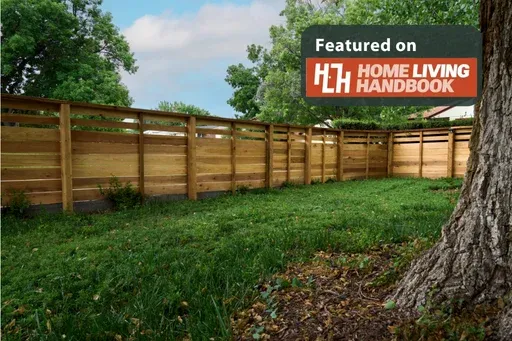
The conversation around vinyl fencing usually focuses on materials, durability, and appearance. Yet one question receives far less attention: where should the fence actually stop? On many Tri-Cities properties, the placement of a fence influences how outdoor areas function just as much as the fence itself. A well-planned boundary can create balance, improve flow, and help outdoor spaces feel purposeful without making the property feel confined.
Whether the goal is privacy, visual organization, or creating dedicated activity areas, thoughtful fence placement matters. Through the experience of Top Rail Fence Tri-Cities, property owners throughout Tri-Cities are discovering that vinyl fencing is not simply about enclosing land. It is about defining how people experience every part of their outdoor environment.
Defining space without closing it off
One of the biggest misconceptions about vinyl fencing is that every fence must surround the entire property. In reality, fencing often works best when it selectively defines certain areas while leaving others open.
A fence can create structure around spaces that need privacy while preserving visibility in sections that contribute to curb appeal. This approach allows a property to feel organized without appearing restricted.
Outdoor spaces serve different purposes
Not every section of a yard is used the same way. A patio may function as a gathering space, while a garden serves as a quiet retreat, and a lawn remains open for recreation.
Installing vinyl fencing around specific areas helps reinforce those functions. Instead of treating the entire property as one large outdoor zone, fencing creates subtle distinctions that make the landscape easier to navigate and enjoy.
Boundaries influence perception
The eye naturally follows visual lines throughout a property. When fencing is positioned strategically, it guides attention toward key features instead of allowing the landscape to feel scattered.
A carefully planned vinyl fence installation can create a sense of order even on properties with multiple outdoor destinations.
The fence line does not always need to follow the property line
Many property owners assume that fencing must be installed directly along property boundaries. While that may be appropriate in some situations, it is not always the most effective solution.
Sometimes the best placement is determined by how outdoor spaces are used rather than by lot dimensions alone.
Creating functional outdoor zones
A seating area may benefit from enclosure, while a decorative landscape feature may be better left visible from multiple angles.
Strategic privacy fence installation creates outdoor rooms that support specific activities while maintaining visual connections throughout the rest of the property.
Supporting future landscape improvements
Fence placement can also accommodate future projects. Outdoor kitchens, fire pit areas, gardens, and entertainment spaces often become easier to integrate when fencing plans account for long-term goals.
This flexibility allows vinyl fencing to support property improvements instead of limiting them.
How partial fencing can create stronger outdoor experiences
Surprisingly, enclosing less space sometimes produces better results than enclosing everything.
When fencing focuses on areas where privacy and comfort matter most, the outdoor environment often feels more intentional.
Privacy where it matters most
Patios, pools, and outdoor dining spaces frequently benefit from greater separation. A focused vinyl fence installation around these areas can improve comfort without affecting openness elsewhere on the property.
This balance is one reason many property owners work with a professional fence company when evaluating fencing layouts.
Open views remain available
Leaving portions of the property unfenced can preserve attractive sightlines toward landscaping, natural scenery, or architectural features.
According to the National Association of Landscape Professionals, thoughtful landscape design often relies on maintaining visual balance between enclosed and open spaces.
Fence placement affects movement throughout the property
People naturally move through outdoor spaces according to pathways, entrances, and visual cues. Fence design can either simplify that movement or unintentionally complicate it.
Entry points create direction
Gate placement determines how people access different areas of the property. A thoughtfully positioned gate can make movement feel intuitive while improving convenience.
When planning a fence installation, considering everyday traffic patterns often leads to better long-term results.
Outdoor destinations feel connected
Multiple outdoor areas can sometimes feel disconnected when there is no clear relationship between them. Fencing helps create transitions that make movement between spaces feel natural.
Property owners exploring vinyl fencing solutions often discover that fencing contributes to flow just as much as it contributes to privacy.
Different property shapes require different solutions
No two lots are identical. Some properties feature unusual angles, changing elevations, or irregular layouts that challenge traditional fencing approaches.
Working with the landscape
Rather than forcing straight lines into every section of the property, modern vinyl fencing layouts can adapt to existing terrain.
This flexibility helps maintain the natural character of the landscape while still creating visual structure.
Enhancing architectural balance
Fence placement should complement the home's architecture. A fence that aligns with major design elements often feels like a natural extension of the property rather than a separate addition.
Professionals from Top Rail Fence Tri-Cities frequently evaluate both landscape features and architectural details before recommending a fencing layout.
Long-term flexibility matters
Outdoor spaces evolve over time. What works today may need adjustments as families, landscaping, and lifestyle preferences change.
Adaptable outdoor environments
A thoughtful vinyl fence installation leaves room for future improvements without requiring major redesigns.
Whether adding a garden, expanding a patio, or creating new recreational areas, flexible fence placement can make future projects easier.
Maintenance remains simple
Another advantage of vinyl fencing is its relatively low-maintenance nature. Because the material resists many common issues associated with other fencing materials, property owners can focus more on enjoying their outdoor spaces and less on upkeep.
This practical benefit makes vinyl fencing an attractive option for properties that prioritize both appearance and functionality.
The best fence ending point is rarely obvious
The question of where a fence should end rarely has a universal answer. Every property presents unique opportunities and challenges. What matters most is understanding how outdoor spaces are used and how fencing can support those activities.
For some Tri-Cities properties, enclosing the entire yard may be the right choice. For others, defining only select spaces may create a stronger overall experience. Through thoughtful planning and professional guidance from Top Rail Fence Tri-Cities, property owners can use vinyl fencing to create outdoor environments that feel organized, comfortable, and intentionally designed.
If you are evaluating fence placement options for your property, Contact Us to discuss customized fencing solutions with Top Rail Fence Tri-Cities and explore the possibilities for your outdoor space.