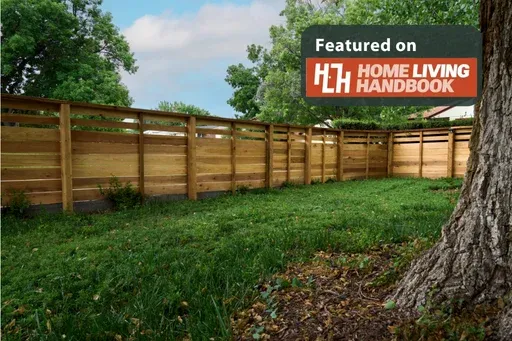
Across the Triad, changing seasons influence far more than lawns and tree canopies. They also shape how wood fencing appears throughout the year. From bright spring greenery to deep autumn tones and winter dormancy, surrounding landscape colors can dramatically affect the way fences look on residential properties over time. Homeowners often discover that the same fence can feel warmer, darker, brighter, or more textured depending on seasonal lighting and neighborhood vegetation.
Many property owners begin exploring long-term fencing options through Top Rail Fence Triad, where regional conditions and visual consistency are considered during planning. A thoughtful approach to wood fence installation helps homeowners select materials and finishes that continue to complement the changing appearance of their property year after year.
As neighborhoods across the Triad evolve through seasonal transitions, fencing becomes more connected to curb appeal, outdoor atmosphere, and the visual identity of each home.
Seasonal surroundings influence fence perception
Spring greenery creates a brighter contrast
During spring, blooming landscapes and fresh lawn growth often make wood fencing appear lighter and more vibrant. Natural cedar tones can stand out against green surroundings, especially when fences receive direct morning sunlight.
This seasonal contrast changes how fence lines frame the property. In many Triad neighborhoods, homeowners notice that fence textures and grain patterns become more noticeable during spring because surrounding vegetation provides a softer visual backdrop.
For homeowners considering cedar fencing, spring conditions often highlight the natural warmth and organic appearance of the material.
Summer sunlight deepens wood tones
As summer arrives, stronger sunlight exposure can alter how fences appear throughout the day. Direct UV exposure may deepen stain coloration or create more noticeable tonal variation across long fence sections.
Properties with extensive sun exposure across the Triad often benefit from strategic finish selection during wood fence installation. Certain stain colors maintain a more balanced appearance even as lighting conditions intensify during summer afternoons.
Homeowners researching long-term maintenance often review wood fence design guidance from Family Handyman to better understand how wood materials visually age in outdoor environments.
Neighborhood tree coverage affects fence visibility
Mature trees create shifting shade patterns
Older neighborhoods throughout the Triad frequently contain mature trees that cast changing shadows across fencing during different seasons. These shifting shade lines influence how wood fencing appears from both the street and backyard gathering areas.
A fence positioned beneath heavy tree coverage may retain darker tones longer because reduced sun exposure slows visible weathering. Meanwhile, open areas may experience faster fading or stronger color contrast between panels.
This is one reason why wood fence installation planning should account for nearby landscaping and long-term vegetation growth.
Autumn foliage changes visual balance
Fall conditions dramatically transform outdoor color palettes across the Triad. Red, gold, and orange foliage often changes the way fence stains visually interact with surrounding landscapes.
Warmer fence finishes frequently blend naturally with autumn scenery, while cooler stain colors may create a stronger contrast. Homeowners investing in wood fencing often consider how their fence will complement seasonal transitions rather than focusing only on summer appearance.
Midway through many projects, property owners explore wood fencing solutions to compare stain options and layout styles that maintain visual consistency throughout changing seasons.
Fence material selection shapes long-term appearance
Cedar reacts differently from treated lumber
Different materials age in unique ways across the Triad climate. Cedar fencing is commonly selected because of its natural resistance to moisture and its ability to develop character gradually over time.
Some homeowners prefer the softer aging process associated with cedar, while others prioritize the structural consistency of a treated wood fence. Both options respond differently to seasonal weather shifts, sunlight intensity, and humidity levels.
Choosing the right material during wood fence installation helps create a more predictable long-term appearance.
Moisture exposure impacts color retention
Rainfall patterns throughout the Triad can affect how fences absorb and release moisture during seasonal transitions. Areas with prolonged shade may hold moisture longer, while open sections dry more quickly after storms.
This uneven exposure sometimes creates slight tone variation across fencing sections. A professionally planned wood fencing layout accounts for drainage patterns, sun exposure, and airflow to reduce inconsistent aging.
Because outdoor conditions vary significantly between neighborhoods, homeowners often work with Top Rail Fence Triad to identify fencing materials that align with both visual goals and environmental conditions.
Fence patterns frame outdoor landscapes differently
Horizontal layouts emphasize open spaces
Modern horizontal fencing styles have become increasingly popular across larger residential properties in the Triad. These layouts visually widen outdoor areas and create clean framing lines around patios, gardens, and gathering spaces.
Horizontal wood fencing also interacts differently with seasonal landscaping because the eye naturally follows long visual lines across the property. This design approach can make outdoor areas feel more connected during the spring and summer months.
For homeowners evaluating newer wood fence styles, layout orientation plays a major role in how the fence complements the surrounding scenery.
Vertical patterns reinforce traditional aesthetics
Traditional vertical fencing remains common throughout many established Triad communities because it aligns naturally with classic residential architecture. Vertical boards create stronger visual separation and maintain a timeless appearance across changing seasons.
This layout style also helps maintain visual consistency as nearby landscaping evolves throughout the year. Many homeowners choose vertical wood fence designs because they continue looking balanced regardless of seasonal color variation.
Weather exposure changes maintenance priorities
Seasonal maintenance protects appearance
Temperature swings, humidity shifts, and storm activity across the Triad can gradually affect fence finishes over time. Regular inspections help homeowners identify fading, moisture exposure, or stain wear before larger issues develop.
A proactive maintenance schedule supports the long-term appearance of wood fencing while reducing unnecessary repair expenses. Many homeowners evaluating wood fence cost also consider the ongoing upkeep required to preserve stain consistency and curb appeal.
Professional installation supports long-term durability
Fence alignment, post depth, drainage planning, and spacing all contribute to how a fence performs visually across changing seasons. Poor installation can accelerate uneven aging or create visible structural movement over time.
Professional wood fence installation helps ensure fencing remains visually balanced while adapting to seasonal weather conditions common throughout the Triad region.
By working with Top Rail Fence Triad, homeowners can create fencing systems that complement neighborhood aesthetics while maintaining durability through seasonal transitions. From material selection to layout planning, every design choice contributes to how fencing enhances the property year after year.
If you are considering upgrading your property with wood fencing, visit the Contact Us page to connect with Top Rail Fence Triad and explore fencing solutions tailored to your outdoor environment.