Every Jacksonville dog owner has a story. The dog slipped through a gap in the chain link. The one that dug under the wood fence three times in a week. The one that jumped a four-foot barrier like it was nothing. These stories usually end with a frantic search through the neighborhood and a vow to fix the fence.
Choosing a fence to contain a dog is not the same as choosing a fence for privacy or curb appeal. The right fence depends on your dog's size, energy level, and escape habits. Therefore, understanding what actually keeps dogs in is the first step toward making a smart investment.
Height is the starting point, not the finish line
Most homeowners default to a six-foot fence and assume the problem is solved. For many dogs, that works. For others, it barely slows them down. Large, athletic breeds like German Shepherds, Huskies, and Labradors can clear five feet without much effort. Additionally, some smaller breeds are more determined climbers than their size suggests.
A six-foot fence is generally the right baseline for most Jacksonville yards. However, the material matters just as much as the measurement. A six-foot fence with wide gaps, footholds, or flimsy posts gives an escape-prone dog far more opportunity than the height number implies.
Why wood fencing works well for most dogs
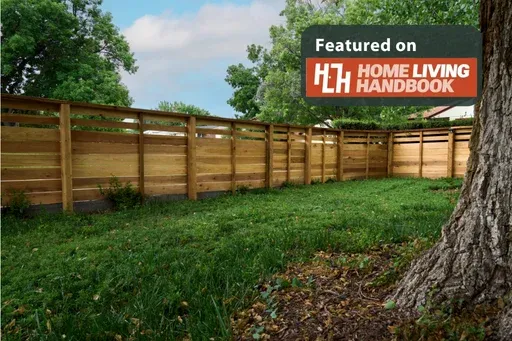
A solid wood privacy fence is one of the most effective options for dog containment. It blocks sightlines, which reduces the urge many dogs have to react to movement outside the yard. Dogs that fence-run or bark at passersby often calm down when they cannot see the street.
Wood also offers no easy footholds. In contrast to chain link, which functions almost like a ladder, a smooth wood panel gives climbers very little to grab. The key is proper installation. Posts need to go deep enough to resist pressure, and the bottom of the fence needs to sit close to the ground to prevent digging gaps from forming over time.
Chain link and the climber problem
Chain link fencing is durable, affordable, and widely used across Jacksonville. For many dogs, it does the job. However, it presents a real challenge with climbers and jumpers because the woven wire pattern creates natural footholds from the ground to the top.
If chain link is the right choice for your budget or property, there are ways to reduce the climbing risk. Coyote rollers or lean-in extensions at the top make it harder for a dog to get over. Additionally, a tighter mesh reduces the size of footholds available. Chain link remains one of the better options for dogs that dig rather than climb, especially when the bottom is secured with tension wire or buried aprons.
Vinyl fencing as a low-maintenance option
Vinyl privacy fencing performs similarly to wood when it comes to dog containment. It blocks sightlines, provides a smooth surface that discourages climbing, and holds up well against chewing better than wood in most cases. Jacksonville's humidity and heat can take a toll on wood over time, so vinyl is worth considering for homeowners who want durability alongside containment.
The main consideration with vinyl is the panel gaps at the bottom. Installation needs to account for ground irregularities so dogs cannot push through or squeeze under a section. A reputable installer will address this during the process rather than leaving it to chance.
What diggers actually need
Some dogs do not jump or climb. They dig. A fence that sits a few inches above the ground is all the invitation they need. Addressing diggers requires thinking below the fence line, not above it.
The most effective solutions involve either burying a portion of the fence underground or installing a buried apron that extends outward from the base. Concrete footings along the fence line also work. This approach adds to the installation complexity, but it solves the problem reliably. Additionally, a dog that digs regularly near a wood fence can accelerate rot at the posts, so addressing the behavior through the fence design protects the structure as well.
Getting the fence right the first time
The most common mistake Jacksonville homeowners make is choosing a fence for looks and then retrofitting it to handle the dog. A fence chosen with containment as a primary goal from the start will save time, money, and stress over its lifetime.
Top Rail Fence Jacksonville works with homeowners to understand the full picture before recommending a solution. That means asking about the dog, the yard, the terrain, and the goals. The result is a fence that handles the job it was actually built for: keeping your dog safely where it belongs.
Reach out to Top Rail Fence Jacksonville for a free estimate and let us help you find the right fit for your yard and your pet.